
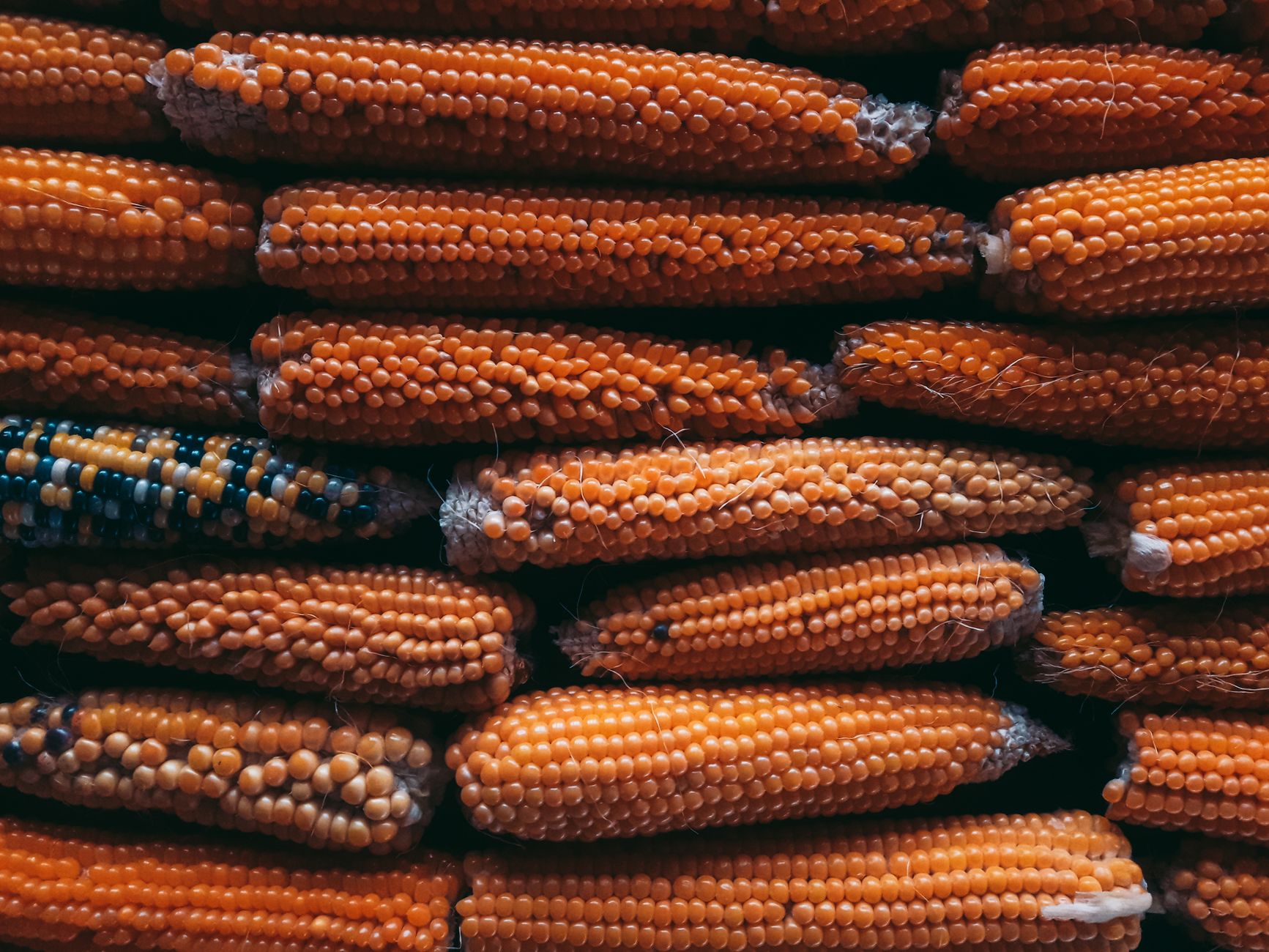
Understanding the relationship between organic corn and genetically modified organisms (GMOs) is essential for anyone interested in food sourcing, preparation, and health. This guide explores whether organic corn is non-GMO, while delving into its culinary uses, nutritional benefits, and exciting serving ideas.
As consumers become more health-conscious and environmentally aware, the demand for organic produce has risen significantly. Corn, being one of the most widely consumed grains globally, often raises questions about its growing methods—especially regarding GMOs.
Is Organic Corn Non-GMO?
Yes, organic corn is non-GMO. The U.S. Department of Agriculture (USDA) defines organic farming as practices that avoid synthetic fertilizers, pesticides, and genetically modified organisms. Therefore, if corn is labeled as organic, it must be grown from non-GMO seeds and cultivated without the use of genetically engineered ingredients.
Understanding Organic Certification
To grasp the concept of organic corn fully, it’s important to understand organic certification. This certification ensures that the corn meets specific agricultural standards:
- The corn must be grown without the use of genetically modified seeds.
- The soil must be managed organically for at least three years prior to harvest.
- Any substances used in the growing process must be approved by the USDA for organic farming.
- The farming methods should promote biodiversity and ecological balance.
Why Choose Organic Corn?
The choice to buy organic corn often stems from various considerations, including health, environmental impact, and taste. Here are some compelling reasons you might lean toward organic corn:
- Fewer Chemicals: Organic corn is less likely to carry residues from chemical fertilizers and pesticides.
- Biodiversity: Organic farming promotes a diverse ecosystem, which can lead to healthier crops.
- Better Taste: Many consumers report that organic produce, including corn, has a richer flavor compared to conventionally grown versions.
- Sustainable Practices: Organic farming methods are designed to protect water quality and conserve soil health.
Nutritional Profile of Corn
Corn, whether organic or not, provides various nutritional benefits. Here are some key components:
- Carbohydrates: Corn is rich in carbohydrates, providing a quick source of energy.
- Fiber: A source of dietary fiber that supports digestive health.
- Vitamins: Contains vitamins such as B vitamins, vitamin C, and vitamin A.
- Minerals: Provides essential minerals like magnesium, potassium, and phosphorus.
Though nutrient content can vary based on growing conditions, organic corn generally retains a comparable profile with its conventional counterpart, with the added benefit of fewer synthetic additives.
Common Uses for Organic Corn
Organic corn is versatile and can be used in various culinary applications. Here are some common uses:
- Whole Corn: Enjoy it fresh off the cob during summer, or use it in salads and salsas.
- Cornmeal: Used in baking cornbread, muffins, or as a coating for frying.
- Corn Syrup: Made from organic corn but can be higher in sugars.
- Popcorn: A whole-grain snack that can be popped at home for a healthier alternative.
Serving Ideas for Organic Corn
Integrating organic corn into your meals can be easy and delightful. Here are some serving ideas and recipes:
Grilled Corn on the Cob
This classic summertime dish requires minimal ingredients and provides maximum flavor:
- Yield: Serves 4
Preparation Time: 5 minutes
Cooking Time: 15 minutes
Ingredients:
- 4 ears of organic corn, husked
- Butter or olive oil for brushing
- Salt and pepper, to taste
- Lime or lemon wedges (optional)
Instructions:
- Preheat your grill to medium heat.
- Brush the ears of corn lightly with melted butter or olive oil.
- Season with salt and pepper.
- Place the corn on the grill and cook, turning occasionally, for about 15 minutes or until charred.
- Serve with lime or lemon wedges for a zesty kick.
Organic Corn Salad
This vibrant salad can be made throughout the summer and packs a nutritious punch:
- Yield: Serves 6
Preparation Time: 15 minutes
Cooking Time: None
Ingredients:
- 2 cups of organic corn (fresh or cooked)
- 1 cup cherry tomatoes, halved
- ½ cup red onion, finely chopped
- 1 avocado, diced
- ½ cup fresh cilantro, chopped
- Juice of 1 lime
- Salt and pepper, to taste
Instructions:
- In a large bowl, combine corn, cherry tomatoes, red onion, avocado, and cilantro.
- Drizzle with lime juice and season with salt and pepper.
- Toss gently to combine.
- Serve immediately or chill for 30 minutes to enhance flavors.
Baking with Organic Cornmeal
Using organic cornmeal for cornbread or muffins creates delicious alternatives to traditional wheat-based recipes:
- Yield: Makes 12 muffins
Preparation Time: 10 minutes
Cooking Time: 20 minutes
Ingredients:
- 1 cup organic cornmeal
- 1 cup all-purpose flour (or whole wheat flour)
- 1 tablespoon baking powder
- ½ teaspoon salt
- 1 cup milk (or dairy-free alternative)
- 2 large eggs
- ¼ cup honey or agave syrup
- ¼ cup melted butter or oil
Instructions:
- Preheat the oven to 400°F (200°C) and grease a muffin tin.
- In a mixing bowl, combine cornmeal, flour, baking powder, and salt.
- In another bowl, whisk together the milk, eggs, honey, and melted butter.
- Pour the wet ingredients into the dry ingredients and mix until just combined.
- Fill muffin cups two-thirds full and bake for 20 minutes or until golden brown.
- Allow to cool slightly before serving.
Practical Substitutions
If you don’t have organic corn or cornmeal on hand, consider these substitutions:
- Cornmeal: If unavailable, you can substitute with finely ground polenta or semolina, but cooking times may differ.
- Fresh Corn: Use frozen corn in recipes but cook it accordingly to avoid overcooking.
- Butter:** For a dairy-free option, use coconut oil, olive oil, or a dairy-free butter alternative.
Common Mistakes and Troubleshooting
While preparing dishes with organic corn, avoid common pitfalls:
- Overcooking Corn: Fresh corn should be cooked until just tender; overcooked corn becomes mushy and loses flavor.
- Ignoring Seasoning: Always taste and adjust seasonings as needed to enhance the natural sweetness of corn.
- Improper Storage: Fresh corn should be stored in a cool, dark, and humid environment for optimal freshness.
Storage and Reheating
Proper storage can enhance the shelf life of fresh corn and corn-based products:
- Fresh Corn: Store unhusked ears in the refrigerator and consume within a few days for the best taste.
- Cooked Corn: Store in an airtight container in the refrigerator for up to three days.
- Cornbread or Muffins: Can be wrapped tightly in plastic wrap and stored at room temperature for up to two days or in the freezer for two months. To reheat, wrap in foil and warm in a low-heat oven until warmed through.
Environmental Impact of Organic Corn
Choosing organic corn isn’t just a health decision; it impacts the environment positively. Organic farming practices help in reducing chemical runoff, promoting soil health, and increasing biodiversity. These practices ultimately contribute to a more sustainable agricultural system and help protect wildlife.
The Future of Organic Corn and GMOs
The conversation surrounding GMOs and organic farming continues to evolve. As technology advances, new methods of pest control, crop rotation, and water conservation are being explored to benefit organic growers. Consumers are becoming increasingly savvy about their food choices, and the demand for transparency in farming practices remains high.
In summary, organic corn is non-GMO and a versatile, nutritious ingredient for various dishes. By choosing organic corn, you support sustainable practices while enjoying great flavor and health benefits. Experiment with the serving ideas and explore the many possibilities corn has to offer in your kitchen.
For creative meals using corn, check out our corn pudding recipe or try making corn ribs for a unique twist! Discover the tasty possibilities that organic corn presents.