
Noodles are a staple in many cuisines, cherished for their versatility and ease of preparation. Whether it’s a comforting bowl of ramen or a plate of spaghetti, noodles can elevate a dish and bring a delightful texture. But how long can you keep that unopened bag or leftover noodle dish before it goes bad?
This article investigates the shelf life of noodles, all the factors that affect their longevity, and how to store them properly to minimize spoilage. We will also explore signs that indicate when it’s time to toss out those noodles.
Do Noodles Expire?
Yes, noodles can expire, though the timeframe varies by type. Dried noodles, when stored properly, can last for years past their expiration date. Fresh, cooked, or egg noodles tend to have a much shorter shelf life and should be consumed within days or a week.
Understanding the nuances of noodle types and their storage will help you reduce waste and ensure you enjoy them at their best.
Shelf Life of Different Types of Noodles
The shelf life of noodles varies based on their type—dried, fresh, or cooked. Below is a detailed overview of how long each type can last.
Dried Noodles
- Regular dried pasta (e.g., spaghetti, penne): Up to two years past the printed date if unopened; 1-2 years if opened and stored well.
- Rice noodles: Best consumed within 1-2 years if unopened; several months if opened.
- Instant noodles: Can last up to two years; often still good for a time longer than that, even after the expiration date due to their low moisture content.
Fresh Noodles
- Homemade or refrigerated noodles: Generally last about 2-3 days when stored in the refrigerator.
- Store-bought fresh noodles: Usually last for about a week but check the packaging for guidance.
Cooked Noodles
- Cooked spaghetti and other preparations: Best consumed within 3-5 days if stored in the fridge.
- Cooked noodles in broth (e.g., ramen): Consume within 2-3 days for optimal freshness.
Factors That Affect Noodle Shelf Life
Several factors determine how long noodles can last. Awareness of these can help you make informed storage choices.
Moisture Levels
Moisture content is one of the critical factors in determining the shelf life of noodles. Dried noodles have very low moisture, allowing them to be shelf-stable for extended periods. On the other hand, fresh noodles contain more moisture, making them prone to mold and spoilage.
Storage Conditions
How you store your noodles significantly impacts their shelf life. Keeping noodles in a cool, dry place in an airtight container will help them last longer. Exposure to heat and moisture can drastically reduce their longevity.
Packaging
The original packaging is also important. If the noodles are vacuum-sealed or in a tightly sealed package, they are likely to last longer than noodles stored in flimsy bags that allow air and moisture to penetrate.
Storage Tips for Noodles
To maximize the freshness and longevity of your noodles, follow these simple storage tips:
Dried Noodles
- Keep in a cool, dry place: Store them in a pantry or cupboard away from heat sources and direct sunlight.
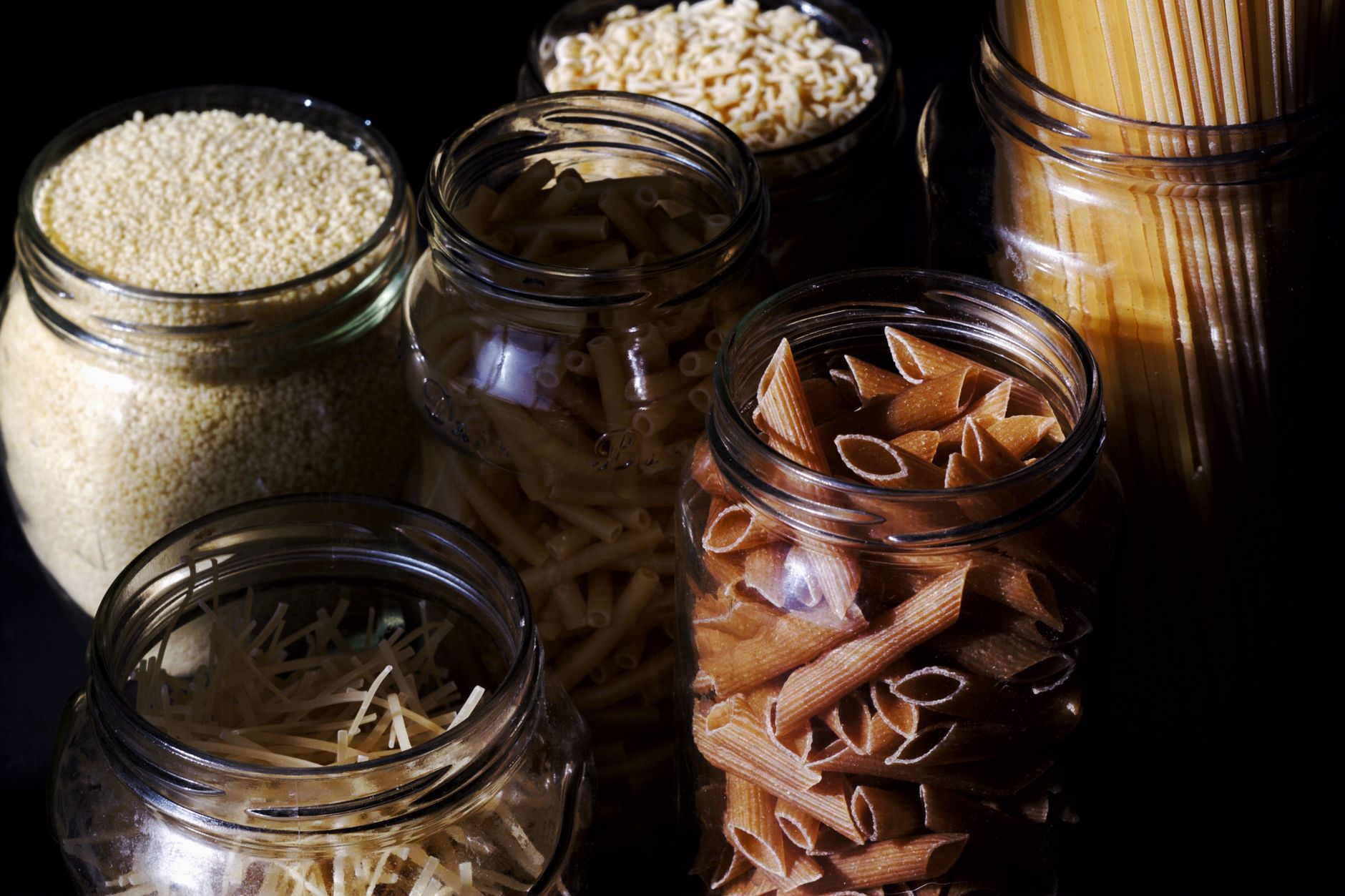
- Use airtight containers: Transfer them to glass, plastic, or metal containers that can be tightly sealed.
Fresh Noodles
- Refrigerate promptly: Store fresh noodles in the refrigerator soon after purchasing or homemade preparation.
- Keep in original packaging: If they come packaged, leave them in the airtight packaging until use.
- Use within a week: Plan to use fresh noodles within the week for the best quality.
Cooked Noodles
- Cool down before storing: Allow cooked noodles to cool to room temperature before placing them in the fridge.
- Use airtight containers: Store in individual servings in airtight containers to maintain texture and flavor.
Signs That Noodles Have Spoiled
Even with the best storage practices, noodles can go bad over time. Here are some signs to watch for:
Dried Noodles
- Color changes: Noticeable discoloration or a dull appearance may indicate spoilage.
- Odors: A musty or off smell is a red flag that you should consider discarding dried noodles.
- Pest damage: Any signs of insects or webbing should prompt immediate disposal.
Fresh Noodles
- Mold or discoloration: Any visible mold or unusual spots mean the noodles should be thrown away.
- Off-odor: A sour or rancid smell is an indication that they are no longer fresh.
Cooked Noodles
- Sour smell: A strong sour odor is a warning sign that the noodles have spoiled.
- Texture changes: Sliminess or extreme hardness indicates they are no longer safe to eat.
- Visible mold: Any signs of mold require immediate disposal.
What to Do With Expired Noodles
If you find some expired noodles in your pantry, consider the following:
Inspect and Assess
If the noodles are only slightly past the expiration date (particularly dried varieties), inspect them closely for any signs of spoilage as mentioned previously. They might still be usable.
Use in Non-Culinary Applications
For expired noodles that are clearly inedible, consider using them for crafts or as pet food in small amounts. Always consult with a veterinarian before introducing new food to your pet’s diet.
Frequently Asked Questions
Still have questions? Here are some common inquiries regarding noodle storage and expiration:
Can I freeze fresh noodles?
Yes, fresh noodles can be frozen. Be sure to separate them in portions and wrap them tightly in plastic wrap or aluminum foil to avoid freezer burn. They can last up to two months in the freezer.
What about gluten-free noodles? Do they expire differently?
Gluten-free noodles typically have similar shelf lives to regular dried noodles but may vary by brand. Always check the packaging for specific expiration dates.
Conclusion
Noodles are a versatile ingredient that can be safely stored for long periods, depending on their type and how they are kept. By understanding the factors affecting noodle shelf life and recognizing the signs of spoilage, you can ensure that your noodle dishes remain delicious and safe to eat.
For more information on unique noodle types, check out our guide on Udon noodles or explore the spicy world of Bun Bo Hue.