
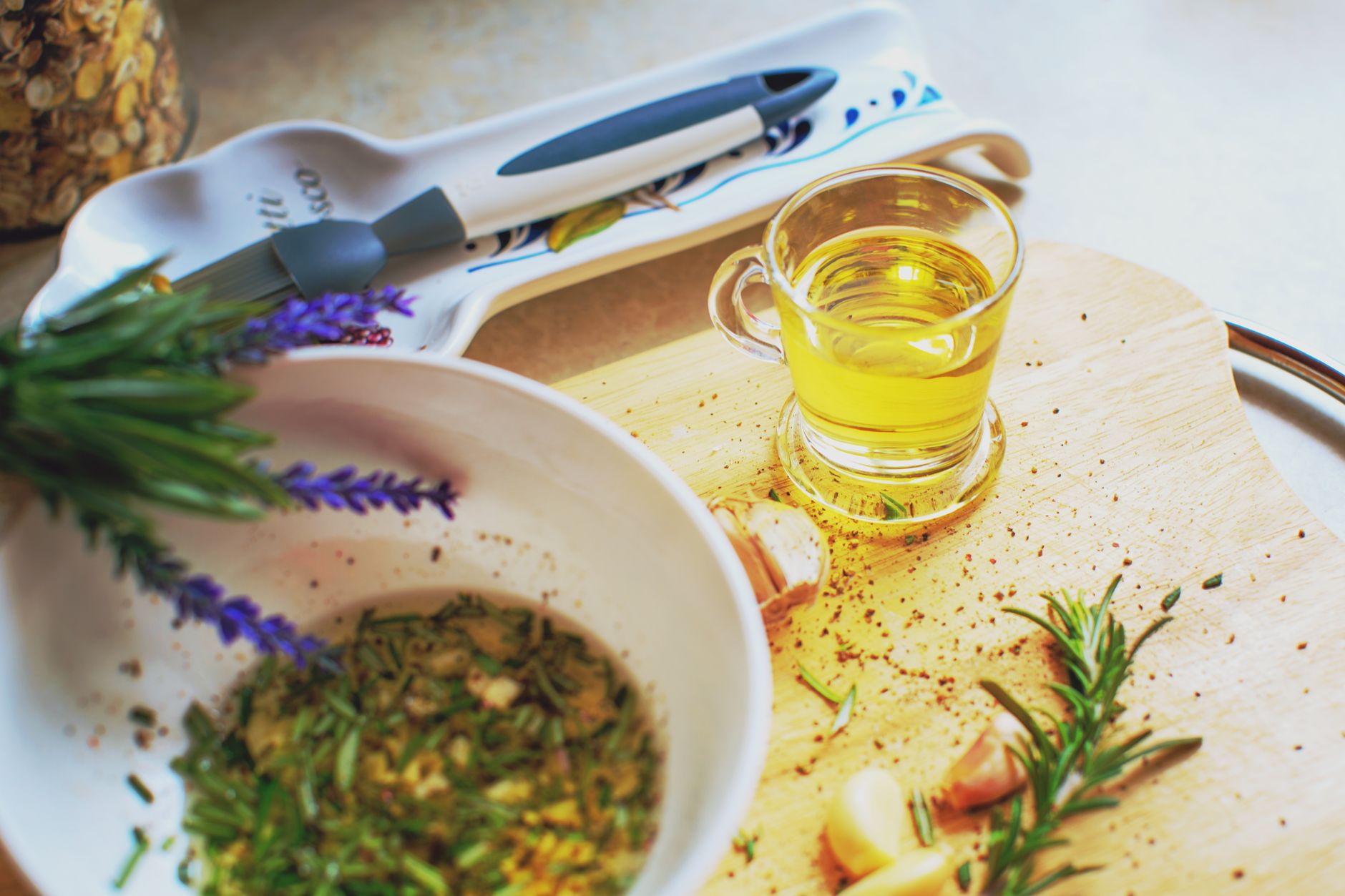
Choosing the right cooking oil can significantly impact your meals, both in flavor and nutrition. Among the most popular options are olive oil and canola oil, each boasting unique characteristics. This article delves into the differences between these two oils to help you decide which might be the better choice for your cooking needs.
Both olive oil and canola oil have their merits and can be used in various cooking methods. However, they differ in flavor, nutritional profile, smoke point, and overall culinary applications. Here, we aim to unpack these differences so you can make informed choices in your kitchen.
Is Olive Oil Better Than Canola Oil?
Olive oil is often considered to be better than canola oil due to its flavor, higher antioxidant content, and health benefits associated with the Mediterranean diet. However, canola oil has its own advantages, particularly its neutral flavor and higher smoke point, making it suitable for various cooking techniques.
Flavor Profiles
One of the most noticeable differences between olive oil and canola oil is their flavor. Understanding these flavors can help you choose the right oil for your culinary creations.
Olive Oil
Olive oil has a distinct, fruity flavor that can range from mild to robust, depending on the type of olives used and how the oil is processed. Extra virgin olive oil, made from fresh olives, provides a rich taste and a peppery finish, enhancing the overall character of dressings, marinades, and cooked dishes.
Canola Oil
Canola oil has a more neutral flavor, making it versatile for various recipes where the oil should not overshadow other ingredients. Its mild taste makes it an ideal choice for baking, frying, and sautéing, allowing the flavors of the primary ingredients to shine.
Nutritional Profiles
Another important aspect to consider when choosing between olive oil and canola oil is their nutritional composition. Both oils have different health benefits, which are vital for informed dietary decisions.
Olive Oil Nutritional Benefits
Olive oil is rich in monounsaturated fats, particularly oleic acid, which is associated with reduced inflammation and a lower risk of heart disease. Extra virgin olive oil contains antioxidants like polyphenols, which have been linked to various health benefits, including improved cardiovascular health and better brain function. It also has anti-inflammatory properties.
Canola Oil Nutritional Benefits
Canola oil is lower in saturated fats than olive oil and contains a balanced ratio of omega-3 to omega-6 fatty acids. Omega-3s promote heart health and reduce inflammation. However, some refining processes used for canola oil can remove beneficial compounds, resulting in a product that may not offer the same health benefits as virgin olive oils.
Smoke Points
The smoke point of an oil is a crucial factor that determines its cooking applications. It refers to the temperature at which an oil begins to smoke and degrade, affecting both flavor and nutritional quality.
Olive Oil Smoke Point
Extra virgin olive oil has a smoke point of about 375°F (190°C), which makes it suitable for medium-heat cooking methods like sautéing and baking. Regular olive oil, however, can reach 465°F (240°C), giving it a higher tolerance for frying and roasting.
Canola Oil Smoke Point
Canola oil has a higher smoke point, ranging from 400°F to 450°F (204°C to 232°C), depending on the processing method. This makes it an excellent choice for high-heat cooking methods, such as deep frying and stir frying.
Culinary Applications
Knowing how to best utilize each oil can enhance your cooking experience. Here are some applications for both olive oil and canola oil.
Best Uses for Olive Oil
- Dressings: The complex flavors of olive oil pair beautifully with vinegar and fresh herbs in salad dressings.
- Sautéing: Use olive oil for medium-heat sautéing, especially in Mediterranean-style dishes.
- Drizzling: Finish grilled vegetables or meats with a drizzle of extra virgin olive oil for added flavor.
- Marinades: Incorporate olive oil as the base for flavorful marinades for meats and tofu.
- Roasting: Toss vegetables in olive oil before roasting for a wonderful flavor.
Best Uses for Canola Oil
- Baking: Use canola oil in cakes, muffins, and other baked goods for a moist texture without affecting taste.
- Frying: Canola oil is excellent for frying due to its high smoke point.
- Sautéing: The neutral flavor makes canola oil a go-to for sautéing vegetables when you want to let other flavors take center stage.
- Cooking: Use it as an all-purpose oil for stir frying and deep frying.
- Dressings: While less common, canola oil can be blended into dressings and mayonnaise for a light texture.
Health Considerations
When assessing whether olive oil is better than canola oil, health considerations come into play. While both oils can be part of a healthy diet, individual health goals and needs are essential to consider.
Olive Oil Health Impact
Studies indicate that the Mediterranean diet, rich in olive oil, contributes to lower rates of heart disease and stroke. The antioxidants in olive oil may help combat oxidative stress and inflammation in the body.
Canola Oil Health Impact
Canola oil is beneficial for those needing a lower saturated fat option. However, some concerns have been raised about genetically modified canola oil and its processing, leading to debates regarding its long-term health impacts. Still, it provides a heart-healthy option due to its omega-3 content.
Environmental Considerations
As much as choosing between olive oil and canola oil is about nutrition and flavor, consideration of how each oil is produced can also influence your selection.
Olive Oil Production
Olive oil production is largely concentrated in Mediterranean countries, where sustainable farming methods are often upheld. However, over-farming and monoculture practices can detract from environmental benefits.
Canola Oil Production
Canola, primarily grown in North America, often involves significant agricultural practices such as pesticide use and land-intensive cultivation. Opting for organic canola oil may reduce environmental impacts.
Substituting Oils in Cooking
Sometimes, you might find yourself needing to substitute one oil for another in your recipes. Here’s how to effectively swap between olive oil and canola oil.
Substituting Olive Oil for Canola Oil
When replacing canola oil with olive oil, use a 1:1 ratio. Be mindful of the flavor, as olive oil will impart a stronger taste to your dish. This replacement works best in recipes where the oil’s flavor can enhance the overall dish, such as in marinades or salad dressings.
Substituting Canola Oil for Olive Oil
Similarly, you can replace olive oil with canola oil in a 1:1 ratio. This swap works well in baked goods and fried dishes where the oil’s flavor will not be as pronounced, allowing for the overall flavor of the dish to remain intact.
Common Mistakes in Cooking with Olive and Canola Oil
Understanding potential pitfalls while cooking can enhance your experience and the final dish.
Using Olive Oil
- Cooking at High Temperatures: Avoid using extra virgin olive oil for high-temperature frying to prevent a burnt taste.
- Storing Improperly: Store olive oil away from light and heat to maintain its quality.
Using Canola Oil
- Not Chilling It Down: If using canola oil for frying, ensure the oil temperature is correct to avoid soggy foods.
- Ignoring Labels: Pay attention to whether the canola oil is refined or unrefined for different flavor profiles.
Conclusion
Ultimately, whether olive oil is better than canola oil depends on your individual cooking needs, health goals, and flavor preferences. Olive oil shines when it comes to flavor and health benefits, particularly in Mediterranean-style dishes. In contrast, canola oil excels in high-heat cooking and baking due to its neutral taste and higher smoke point.
Experimenting with both oils can provide a well-rounded culinary experience while allowing you to take advantage of their unique properties. Consider using olive oil for enhancing flavor in dressings and finishing dishes, while reserving canola oil for baking and frying tasks.
Explore related recipes, cooking tips, or food guides to expand your culinary knowledge. You can learn about avocado oil substitutions, and find out if canola oil can be used instead of vegetable oil.