
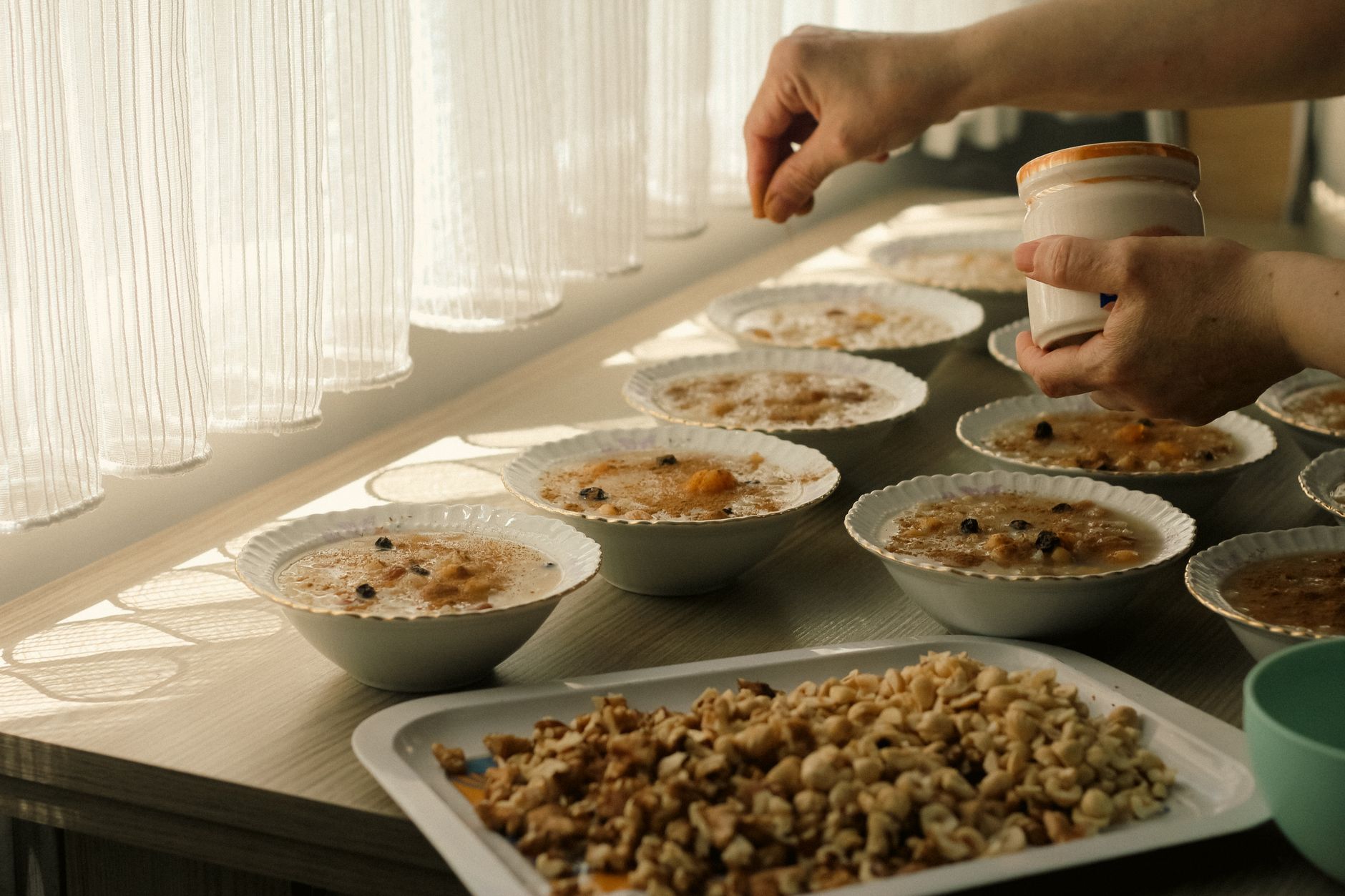
Oatmeal is often considered a healthy breakfast option, but many people wonder whether it contains protein. This question is particularly relevant for those looking to increase their protein intake for various health reasons. Understanding the nutritional profile of oatmeal can help determine how to incorporate it effectively into a balanced diet.
In this article, we will explore the protein content of oatmeal, its nutritional benefits, and how to prepare oatmeal in ways that maximize its health properties. By the end, you’ll have a solid understanding of whether oatmeal qualifies as a source of protein and how to make it part of a protein-rich diet.
Is Oatmeal a Protein?
Oatmeal itself is not classified as a primary source of protein, but it does contain a moderate amount of protein relative to its carbohydrate content. A 1-cup serving of cooked oatmeal typically provides about 6 grams of protein, which contributes to a balanced diet, especially when paired with other protein-rich foods.
Understanding Oatmeal’s Nutritional Profile
To understand the role of oatmeal in your diet, let’s break down its complete nutritional profile. In addition to protein, oatmeal is also a rich source of carbohydrates, dietary fiber, vitamins, and minerals.
Calories and Macronutrients
A standard serving of cooked oatmeal (1 cup) provides approximately:
- Calories: 154
- Protein: 6 grams
- Carbohydrates: 27 grams
- Fat: 3 grams
- Fiber: 4 grams
This nutrient composition makes oatmeal a filling and energy-boosting breakfast option. However, keep in mind that the protein content is modest compared to other breakfast foods like eggs or Greek yogurt.
Vitamins and Minerals
Oatmeal is packed with essential vitamins and minerals, such as:
- Iron
- Magnesium
- Phosphorus
- Zinc
- B vitamins (especially B1 and B5)
These nutrients play essential roles in energy metabolism, immune function, and overall health.
Health Benefits of Oatmeal
In addition to being a source of protein, oatmeal offers various health benefits:
- High in Fiber: The high fiber content in oatmeal promotes digestive health and can help regulate blood sugar levels.
- Heart Health: Oatmeal contains beta-glucans, a type of soluble fiber known to lower cholesterol levels.
- Sustained Energy Release: The complex carbohydrates in oatmeal provide long-lasting energy, which is beneficial for overall performance throughout the day.
- Weight Management: Oatmeal can increase feelings of fullness, which may help with weight control.
Types of Oatmeal and Their Protein Content
There are several types of oatmeal available, and their protein content can vary slightly. Below are the common types:
1. Rolled Oats
These oats are steamed and then rolled flat, making them quicker to cook. A 1-cup serving of cooked rolled oats provides around 6 grams of protein.
2. Steel-Cut Oats
Steel-cut oats are whole oat groats that have been chopped into pieces. They have a chewier texture and take longer to cook. A similar serving size offers about 7 grams of protein.
3. Instant Oats
Instant oats are pre-cooked and dried, making them the quickest option. While convenient, they often contain added sugars. A serving of instant oats provides roughly 5 grams of protein.
How to Increase Protein in Your Oatmeal
If you’re looking to boost the protein content of your oatmeal, there are numerous ways to enhance your bowl:
1. Add Dairy or Dairy Alternatives
Using milk or a high-protein milk alternative (like soy milk or pea protein milk) instead of water to cook oatmeal can significantly increase the protein content. For instance, one cup of milk adds about 8 grams of protein.
2. Incorporate Nut Butters
Adding a tablespoon of almond butter, peanut butter, or other nut butters elevates the flavor and adds approximately 4 grams of protein per tablespoon, while also providing healthy fats.
3. Sprinkle with Seeds
Chia seeds or hemp seeds are excellent protein boosters. One tablespoon of chia seeds adds about 2 grams of protein, while hemp seeds can add around 10 grams.
4. Top with Greek Yogurt
A dollop of Greek yogurt not only adds creaminess but also up to 20 grams of protein per cup, depending on the brand.
5. Experiment with Protein Powders
For an even bigger protein boost, consider adding a scoop of protein powder. Depending on the brand, this can add anywhere from 15 to 30 grams of protein.
Practical Tips for Cooking Oatmeal
Making oatmeal is a simple and quick process, but there are tips and tricks to enhancing flavor and texture:
1. Use the Right Ratios
The standard ratio for cooking rolled oats is 1 part oats to 2 parts water or milk. Steel-cut oats typically require 1 part oats to 4 parts water or milk.
2. Soak for Better Texture
If using steel-cut oats, consider soaking them overnight. This softens the oats and reduces cooking time in the morning.
3. Flavor It Up
Enhance the flavor of your oatmeal by adding spices like cinnamon, nutmeg, or vanilla. You can also sweeten it naturally with fruits like bananas, berries, or apples.
4. Cooking Method
You can cook oatmeal on the stovetop, in the microwave, or even in a slow cooker. Each method yields delicious results:
- Stovetop: Combine oats and liquid in a pot, bring to a boil, and reduce heat, stirring occasionally until desired creaminess is reached (5-10 minutes for rolled oats).
- Microwave: Combine oats and liquid in a microwave-safe bowl, cover, and microwave on high for 2-3 minutes, stirring halfway.
- Slow Cooker: Combine oats and liquid, set to low for 6-8 hours for a convenient overnight option.
Common Mistakes When Cooking Oatmeal
Even simple dishes like oatmeal can go awry. Here are common mistakes and how to avoid them:
1. Cooking on High Heat
Many people make the mistake of cooking oatmeal on high heat, which can cause the mixture to boil over or scorch. Instead, start at medium heat and adjust as needed.
2. Not Stirring
For stovetop cooking especially, you need to stir occasionally to prevent the oats from sticking to the bottom of the pan. This promotes even cooking and a creamy texture.
3. Ignoring Liquid Levels
Oats absorb liquid as they cook, so it’s important to use the right ratios and add more liquid as needed rather than letting it dry out.
Oatmeal and Dietary Preferences
Oatmeal is a versatile grain that fits various dietary preferences and needs.
1. Gluten-Free Options
While oats themselves are gluten-free, they’re often processed in facilities that handle gluten-containing grains. For a gluten-free diet, opt for certified gluten-free oats.
2. Vegan-Friendly
Oatmeal naturally fits into a vegan diet. Using plant-based milk and toppings can create a delicious vegan breakfast option.
3. Low-Carb Diets
For those following a low-carb diet, oatmeal may not be the best choice, but substituting oatmeal with chia pudding or flaxseed meal can provide similar textures with lower carbs.
Meal Preparation with Oatmeal
Oatmeal is excellent for meal prep due to its long shelf life and ease of storage. Here are some ideas:
1. Pre-Cooked Portions
Prepare a large batch of oatmeal and store it in individual portions in the refrigerator. It can be reheated throughout the week for a quick breakfast option.
2. Overnight Oats
Overnight oats are a no-cook preparation method. Combine oats, liquid, and desired toppings in a jar and refrigerate overnight for a ready-to-eat breakfast.
3. Freezing Cooked Oatmeal
Cooked oatmeal can also be frozen in single-serving containers. When you’re ready to eat, simply thaw in the refrigerator overnight and reheat in the morning.
Final Thoughts on Oatmeal in Your Diet
In summary, while oatmeal by itself is not classified as a strong protein source, it does offer valuable protein and numerous health benefits. By incorporating additional protein-rich ingredients, oatmeal can become a cornerstone of a balanced breakfast or snack.
Whether you choose rolled, steel-cut, or instant oats, you can create a nutritious meal that satisfies your dietary needs while enjoying the taste and texture of oatmeal. It’s versatile, easy to prepare, and can be customized to suit any palate.
If you’re eager to enhance your meals even further, consider exploring recipes like protein brownies or protein cookies for delicious treats packed with nutritional value.