
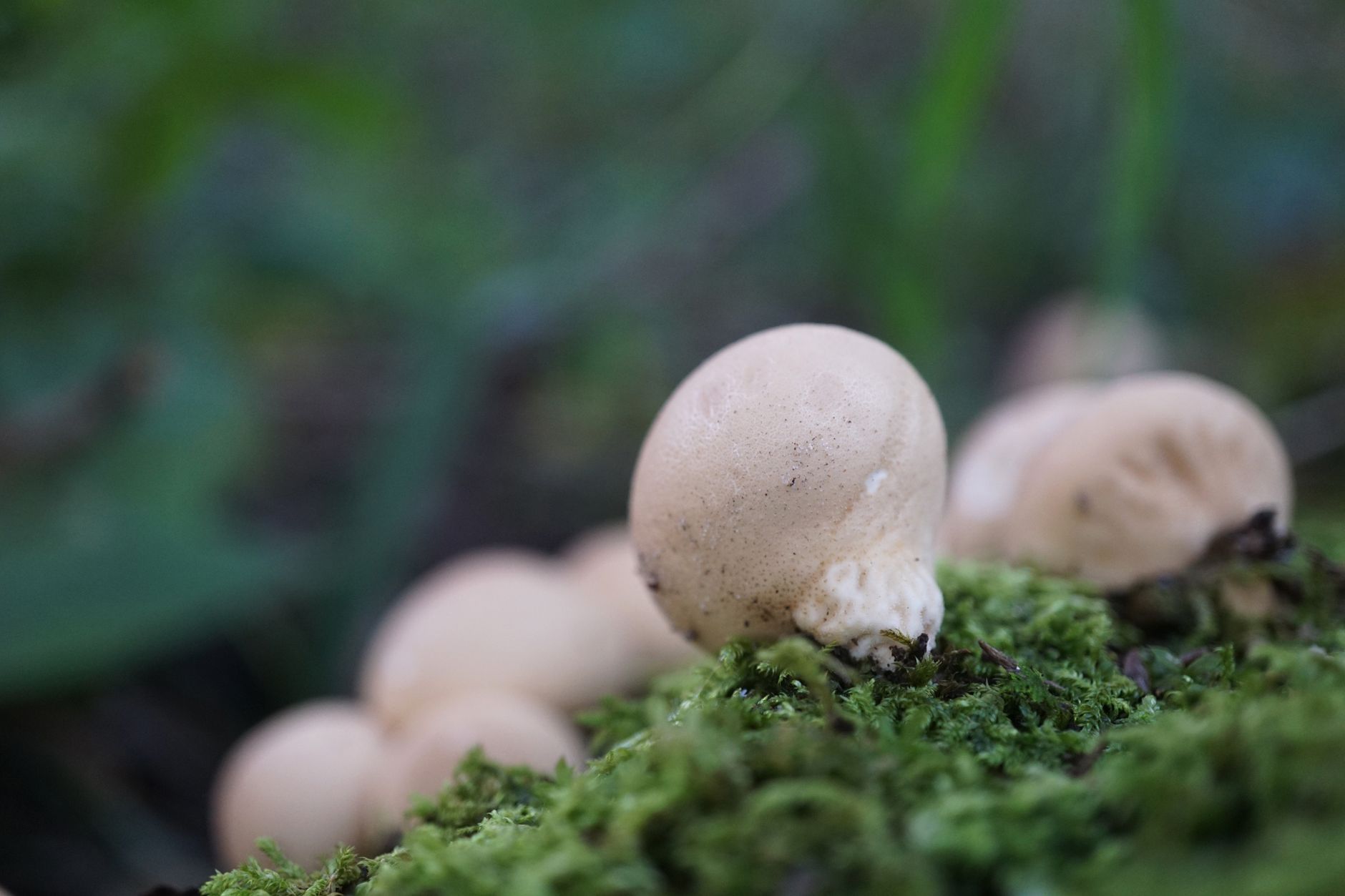
Mushrooms often find themselves at the center of culinary conversation, especially when it comes to their nutritional profile. As plant-based foods become more popular, many people wonder whether mushrooms can serve as a reliable source of protein. Understanding the nutritional content of mushrooms not only helps in meal planning but also enriches our appreciation for this versatile ingredient.
This article delves into the protein content of mushrooms, exploring their nutritional facts, potential health benefits, serving sizes, and how to incorporate them into various meals. Let’s dissect the protein question surrounding mushrooms and uncover their role in a balanced diet.
Is Mushrooms Protein?
While mushrooms are not a primary protein source compared to animal products, they do contain some protein. The protein content can vary by mushroom type, but on average, mushrooms have about 3 grams of protein per 100 grams. They can definitely contribute to your daily protein intake, especially for those following plant-based diets.
Nutritional Facts of Mushrooms
Understanding the nutritional composition of mushrooms can help you appreciate their value in your diet. Below are the overall nutritional facts for common types of edible mushrooms:
- White Button Mushrooms (100g):
- Calories: 22
- Protein: 3.1g
- Carbohydrates: 3.3g
- Fiber: 1.0g
- Fat: 0.3g
- Vitamins: B vitamins, particularly riboflavin, niacin, and pantothenic acid
- Minerals: Selenium, potassium, and phosphorus
- Portobello Mushrooms (100g):
- Calories: 29
- Protein: 4.0g
- Carbohydrates: 5.0g
- Fiber: 2.0g
- Fat: 0.3g
- Shiitake Mushrooms (100g):
- Calories: 34
- Protein: 2.2g
- Carbohydrates: 6.8g
- Fiber: 2.5g
- Fat: 0.5g
- Enoki Mushrooms (100g):
- Calories: 37
- Protein: 2.7g
- Carbohydrates: 7.9g
- Fiber: 2.7g
- Fat: 0.3g
Main Types of Mushrooms and Their Uses
There are hundreds of mushroom varieties, but here are some commonly used types that provide unique flavors and textures:
- White Button Mushrooms: Mild flavor and versatile, ideal for salads, soups, and stir-fries.
- Cremini Mushrooms: A type of brown mushroom with a deeper flavor than white button mushrooms; great in pastas and risottos.
- Portobello Mushrooms: Large caps with a meaty texture, perfect for grilling or as a meat substitute in burgers.
- Shiitake Mushrooms: Known for their rich umami flavor, often used in Asian cuisine and soups.
- Oyster Mushrooms: Delicate texture and sweet flavor, ideal for sautéing or as a topping on pizzas.
- Enoki Mushrooms: Long, thin, and mildly sweet, often used in salads or as a garnish.
Protein in Mushrooms vs. Other Food Sources
When comparing mushrooms to various protein-rich foods, the difference becomes clear. Here’s how they stack up against other protein sources:
| Food | Protein per 100g |
|---|---|
| Mushrooms (varies by type) | 2.2g – 4.0g |
| Chicken Breast | 31g |
| Quinoa | 4.1g |
| Tofu | 8.0g |
| Lentils | 9.0g |
As seen above, while mushrooms contain protein, they are not as concentrated a source as chicken, tofu, or lentils. However, they can complement a balanced diet effectively, especially when combined with other protein sources.
Health Benefits of Mushrooms
Beyond providing some protein, mushrooms are packed with additional health benefits. Here are some notable advantages:
- A Source of Antioxidants: Mushrooms contain selenium, an essential antioxidant that can help protect cells from damage.
- Low-Calorie Food: Most mushrooms have a low caloric content, making them a great addition for anyone monitoring their intake.
- Vitamins and Minerals: They are rich in B vitamins and important minerals, which are vital for energy production and overall health.
- Potential Immune Boost: Some studies suggest certain mushrooms, like shiitake and maitake, may enhance immune response.
- Support for Digestive Health: Mushrooms are a source of dietary fiber, which can aid in healthy digestion.
How to Incorporate Mushrooms into Your Diet
Now that you understand the nutritional benefits of mushrooms, let’s look at practical ways to include them in your meals:
1. Sautéing
Sautéing mushrooms enhances their flavor and texture. Simply slice your preferred mushrooms and cook them in a pan with a little olive oil or butter over medium heat. Cook until they are golden and tender, usually about 5-7 minutes.
2. Grilling
Portobello mushrooms are ideal for grilling. Marinate them in your favorite sauce and grill for a smoky flavor. They can serve as a hearty burger alternative.
3. Soups and Stews
Add diced mushrooms to soups and stews for extra depth. Their umami flavor complements rich broth and hearty vegetables.
4. Salads
Raw mushrooms, like sliced button or enoki, add crunch and earthiness to salads. Pair with greens, nuts, and a light vinaigrette.
5. Pasta Dishes
Mushrooms can make an excellent addition to various pasta dishes. Cook along with garlic and cream for a rich sauce, or toss them with whole grains and veggies for a lighter option.
6. Stir-Fries
Mixed with other vegetables and proteins, mushrooms can enhance stir-fries. Use varieties like shiitake or oyster for added flavor.
Serving Size and Recommendations
The appropriate serving size for mushrooms typically ranges from 100 to 200 grams per serving, depending on the dish and your nutritional goals. Here are some practical suggestions:
- As a side dish, aim for around 100g.
- Add 150g to pasta sauces or stir-fries.
- For hearty main dishes featuring mushrooms, 200g works well, especially when using larger varieties like portobellos.
Common Mistakes When Cooking Mushrooms
To make the most of your mushrooms, be aware of these common pitfalls:
- Not Cleaning Properly: Always clean mushrooms with a damp cloth or paper towel. Avoid soaking them as they can absorb water and become soggy.
- Overcrowding the Pan: If there are too many mushrooms in a pan, they steam instead of sautéing. Cook in batches for better caramelization.
- Not Cooking Enough: Undercooking mushrooms can make them rubbery. Ensure they are golden and tender for the best texture.
Storage and Preservation
Proper storage extends the shelf life of mushrooms. Here’s how to keep them fresh:
- Refrigeration: Store mushrooms in a paper bag in the fridge for up to a week. Avoid plastic bags, as they trap moisture and promote spoilage.
- Freezing: If you want to freeze mushrooms, sauté them first to preserve flavor and texture. Pack in airtight containers and freeze for up to three months.
Conclusion
Mushrooms are indeed a source of protein, though not as concentrated as some animal products or legumes. They enrich our diets with flavor, nutrition, and a variety of health benefits. Versatile and easy to prepare, mushrooms can fit seamlessly into countless dishes.
As you plan your meals, consider incorporating mushrooms for both their taste and nutritional contributions. Explore different types to find your favorites, and enjoy the texture they add to your culinary creations. If you are seeking delicious ideas, check out our sautéed mushroom recipe or our fried mushroom recipe for inspiration.