
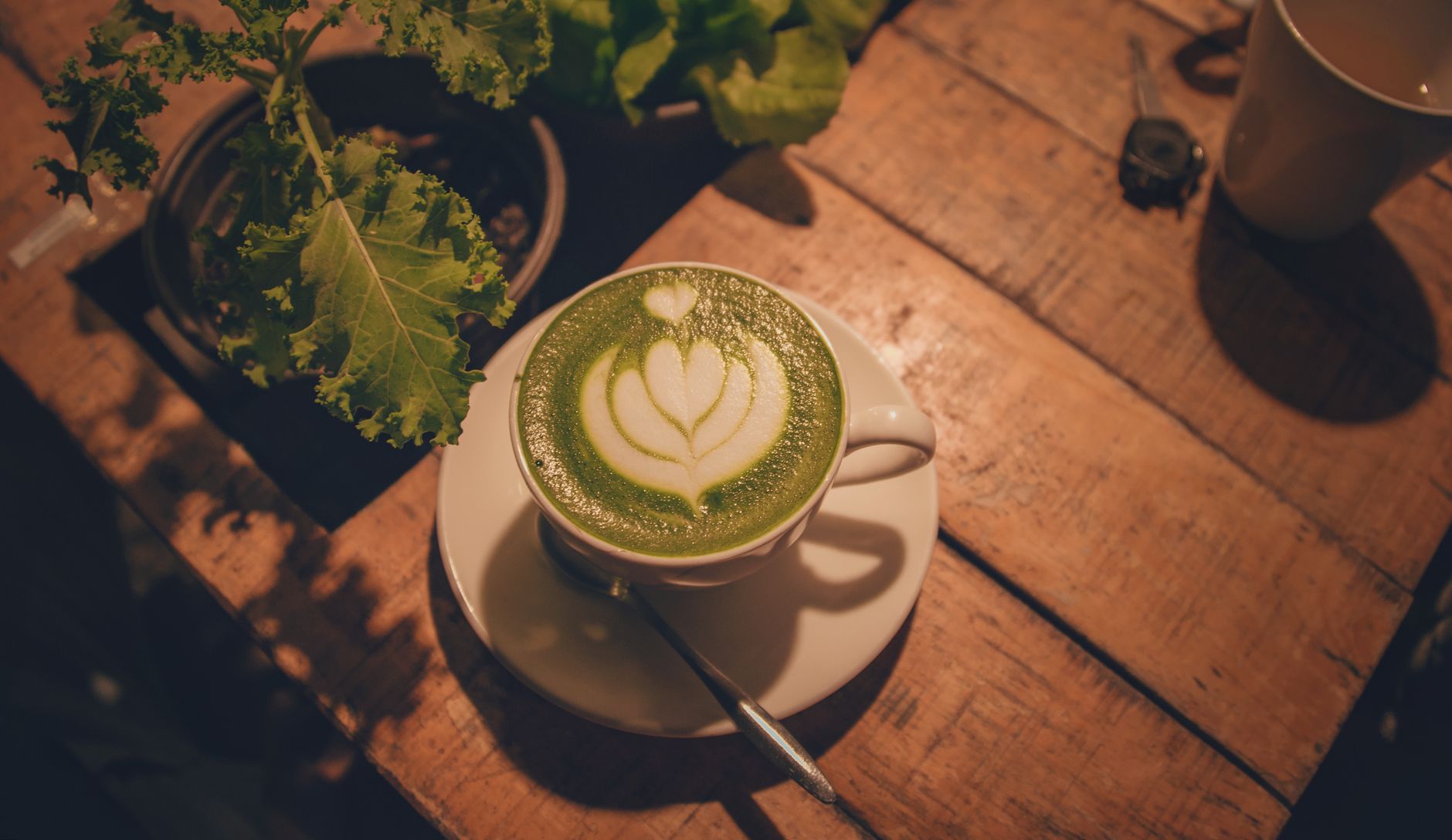
When it comes to caffeinated beverages, matcha often sparks curiosity about its caffeine content. This vibrant green powder, made from finely ground green tea leaves, is cherished not only for its unique flavor but also for its potential energy-boosting properties. Understanding matcha’s caffeine content can help you decide how and when to enjoy this delightful drink.
In this article, we will explore the caffeine levels in matcha, how they compare to other caffeinated beverages, serving sizes, and some culinary applications, as well as the benefits of this exceptional powder.
Is Matcha Caffeine?
Yes, matcha does contain caffeine. The caffeine level in matcha typically ranges from 30 to 70 milligrams per serving, depending on factors such as the tea variety and preparation method. This caffeine content is generally less than that of a brewed cup of coffee but can provide a smoother, more sustained boost of energy due to the presence of L-theanine, an amino acid found in green tea.
Understanding Caffeine Levels in Different Beverages
To appreciate the unique qualities of matcha, it’s useful to compare its caffeine content with other popular drinks.
| Drink | Caffeine Content (per serving) |
|---|---|
| Matcha (1 tsp, 1 cup water) | 30-70 mg |
| Regular Brewed Coffee (8 oz) | 95 mg |
| Espresso (1 oz) | 63 mg |
| Black Tea (8 oz) | 40-70 mg |
| Green Tea (8 oz) | 20-45 mg |
This table shows that while matcha contains notable caffeine, it can fall lower than traditional coffee and espresso. It’s crucial to factor in the amount of matcha used when preparing your beverage.
Factors Affecting Caffeine Content in Matcha
Several factors can influence the caffeine levels in matcha:
- Type of Matcha: Different grades of matcha vary in caffeine content. Ceremonial-grade matcha, often regarded as the highest quality, has slightly more caffeine than culinary-grade.
- Serving Size: The amount of matcha powder used directly affects how much caffeine is consumed. A typical serving ranges from one to two teaspoons.
- Brewing Method: The way matcha is prepared can influence its caffeine extraction into the water.
What Is L-Theanine and Its Role in Matcha?
One of matcha’s standout attributes is its combination of caffeine and L-theanine. While caffeine stimulates the central nervous system, L-theanine promotes relaxation without inducing drowsiness. This combination can lead to a balanced, alert feeling rather than the jitters often associated with coffee consumption.
Benefits of L-Theanine
The presence of L-theanine provides several potential benefits:
- Improves Focus: It helps maintain clarity and focus.
- Reduces Stress: It may aid in reducing stress levels and promoting relaxation.
- Enhances Mood: L-theanine can contribute to an uplifted mood without the crash often experienced after caffeine consumption.
How to Prepare Matcha
Creating the perfect cup of matcha is an art that can enhance your experience. Here’s a simple method for preparing matcha:
Equipment Needed
- Matcha whisk (chasen)
- Matcha bowl (chawan) or a regular bowl
- Sifter (optional but recommended)
- Matcha scoop (chashaku) or measuring spoon
Ingredients
- 1 to 2 teaspoons of high-quality matcha powder
- 1 cup of hot water (not boiling, around 175°F or 80°C)
Preparation Steps
- Start by sifting the matcha powder into a bowl to remove any clumps for a smoother drink.
- Add hot water to the matcha powder (use 1 cup for a milder flavor or adjust based on your preference).
- Using the matcha whisk, whisk vigorously in a “W” motion until the mixture is frothy and no lumps remain.
- Once well-mixed, enjoy your matcha as is, or pour it over ice for a refreshing iced matcha.
Creative Ways to Use Matcha
Matcha’s versatility extends beyond just hot or iced beverages. Here are some popular culinary applications:
Matcha Latte
With the popularity of matcha lattes, it’s easy to find recipes that blend matcha with milk or plant-based alternatives. The creaminess can balance the matcha’s earthiness and create a delightful drink.
Matcha Baking
Add matcha to various baked goods, like cookies, brownies, and cakes. It provides a unique flavor as well as vibrant color, making your sweets visually appealing and scrumptious.
Matcha Smoothies
Incorporate matcha into smoothies for an energy boost alongside your fruits and greens. This can offer a perfect breakfast or post-workout drink.
Matcha Ice Cream
Homemade matcha ice cream is a delightful treat with a distinct flavor. The creaminess of ice cream combined with the subtle bitterness of matcha creates a refreshing dessert.
Common Matcha Mistakes and How to Avoid Them
As you explore the world of matcha, here are some common pitfalls you may encounter:
- Using Boiling Water: Always use water around 175°F (80°C). Boiling water can scorch the matcha, leading to a bitter taste.
- Not Sifting the Matcha: Failing to sift can create clumps in the drink, affecting its texture.
- Overwhisking: Excessive whisking can lead to a frothy consistency that isn’t necessary. Aim for a nice incorporation without creating too much foam.
Servings and Recommendations
If you’re new to matcha, starting small is advisable. Aim for one teaspoon per serving, adjusting to taste and preference as you become more accustomed to the flavor and caffeine level. Most people find that one to two servings of matcha per day provides an optimal balance of enjoyment and energy without overwhelming caffeine intake.
Storing Matcha
To maintain the freshness and flavor of your matcha, proper storage is essential. Here are some tips to ensure it stays at its best:
- Store matcha in an airtight container, preferably a dark, opaque container to minimize exposure to light.
- Keep it in a cool, dry place, away from heat sources and humidity.
- Use within a few months of opening for the best flavor.
Final Thoughts
Matcha is not just a caffeine source; it offers a unique flavor profile and potential health benefits attributed to its caffeine and L-theanine content. Enjoying matcha can be a delightful ritual that enhances your day while providing an alternative to traditional caffeinated drinks.
If you’re interested in exploring further with matcha, consider trying your hand at delicious matcha recipes such as matcha tiramisu or a refreshing strawberry matcha drink.