
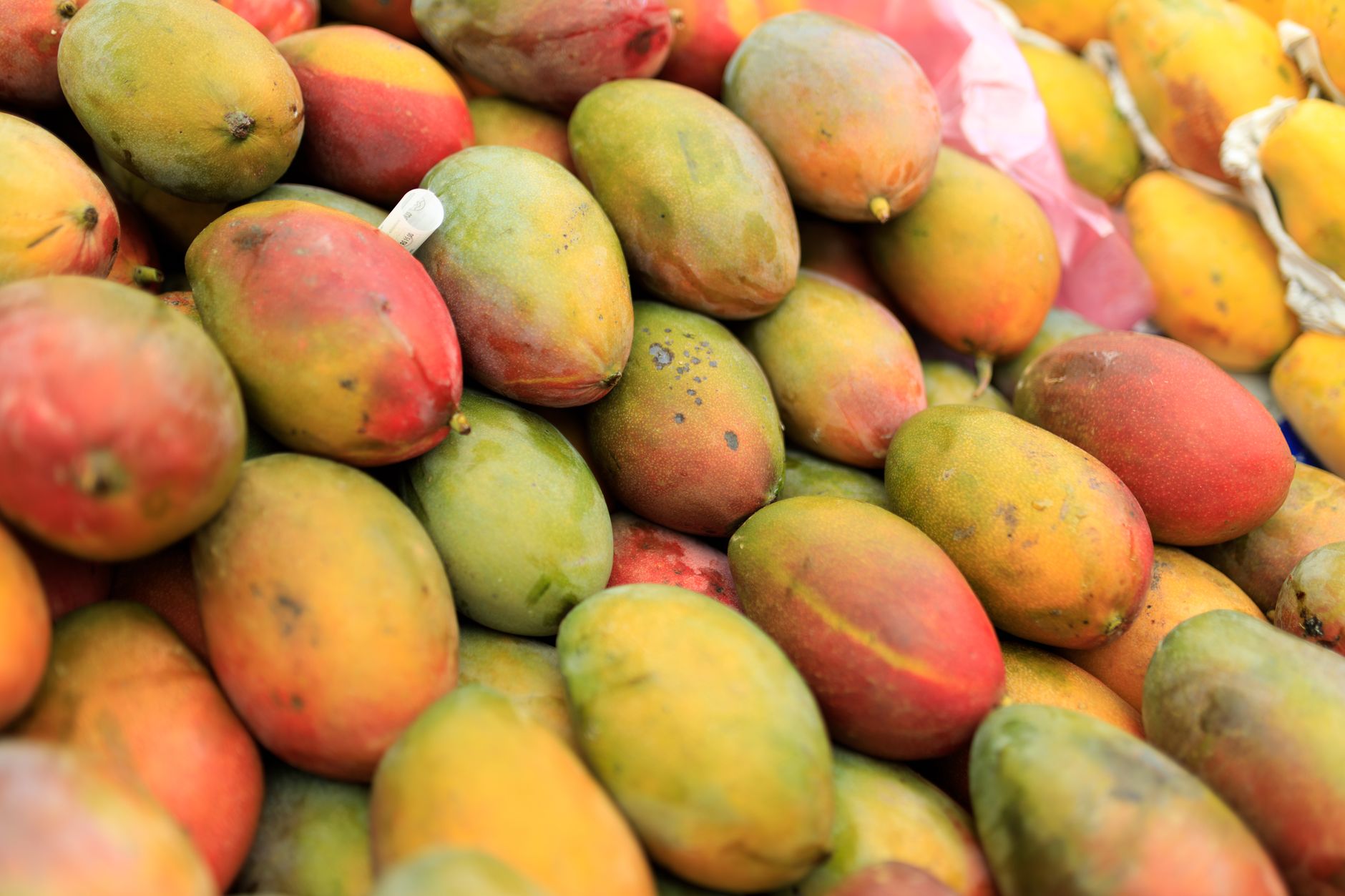
Mango, often dubbed the “king of fruits,” is beloved for its sweet, lush flavor and vibrant color. However, a common question arises among culinary enthusiasts and health-conscious individuals alike: Is mango acidic? Understanding the acidity of mango is essential, especially for those with dietary restrictions or digestive concerns.
This article will explore the acidity of mango in detail, addressing its pH level, taste profile, culinary uses, and how it compares to other fruits. We will also provide insights into its nutritional content and offer tips on incorporating mango into your meals.
Is Mango Acidic?
Mangoes are mildly acidic fruits, with a pH ranging from about 5.0 to 6.0, making them less acidic than citrus fruits like lemons and limes. While they do have some natural acids, the significant sugar content in ripe mangoes often masks this acidity, resulting in their characteristic sweet flavor.
What Makes Mango Acidic?
The acidity in mangoes primarily comes from several organic acids present in the fruit, including citric acid, malic acid, and ascorbic acid (vitamin C). These acids contribute to the tangy flavor of unripe mangoes and help enhance the fruit’s freshness. As mangoes ripen, the balance shifts towards sweetness, reducing the perception of acidity.
The pH Scale and Acidity
The pH scale measures how acidic or alkaline a substance is, ranging from 0 to 14. A pH of 7 is neutral, while values below 7 indicate acidity, and values above 7 indicate alkalinity. Given that ripe mangoes typically fall between 5.0 and 6.0, they are considered mildly acidic. This places them in a similar category to many other fruits.
The Taste Profile of Mango
Mangoes are renowned for their delicious flavor. The sweetness, balanced by a subtle tang, makes them versatile for a range of dishes. The primary flavor notes include:
- Sweetness: The sugar content, which can be as high as 14-20% in ripe mango, gives it a delightful sweetness.
- Tartness: This comes from the naturally occurring acids, especially in unripe mangoes.
- Fruitiness: Mango has a distinct tropical fruit flavor that is often vivid and aromatic.
Uses of Mango in Culinary Traditions
Thanks to their unique flavor profile, mangoes can be used in a variety of culinary contexts:
- Raw Consumption: Fresh mangoes can be sliced and eaten raw, often used in salads, desserts, or as a refreshing snack.
- Cooking: Mangoes can be cooked in savory dishes, such as curries and salsas, where their sweetness complements spices.
- Beverages: Mango juice, smoothies, and cocktails showcase the fruit’s sweetness and flavor.
- Baking: Diced mango adds moisture and natural sweetness to cakes and tarts.
Mango vs. Other Fruits: How Acidic Is It?
When evaluating the acidity of fruits, it’s helpful to compare mangoes with other common fruits:
| Fruit | pH Level | Acidity Level |
|---|---|---|
| Lemon | 2.0 – 3.0 | Highly Acidic |
| Orange | 3.0 – 4.0 | Moderately Acidic |
| Mango | 5.0 – 6.0 | Mildly Acidic |
| Banana | 5.0 – 5.5 | Mildly Acidic |
| Watermelon | 5.2 – 5.8 | Mildly Acidic |
Nutritional Profile of Mango
Beyond acidity, mangoes offer an impressive range of nutritional benefits:
- Vitamins: Mangoes are rich in vitamins A, C, and E, contributing to their health benefits.
- Minerals: They contain potassium, magnesium, and small amounts of calcium and iron.
- Antioxidants: Mangoes pack powerful antioxidants like beta-carotene, which can protect cells from damage.
- Fiber: The dietary fiber in mangoes aids in digestion and contributes to overall health.
Mango in Dietary Considerations
For individuals with certain dietary preferences or restrictions, understanding the acidity of mango can be crucial:
- Acid Reflux: Those with acid reflux or GERD may need to moderate their intake of mangoes, especially if consuming unripe fruit.
- Diabetes: While mangoes are sweeter, they contain natural sugars rather than refined sugars, but portion control is essential.
- Allergies: Some individuals may be allergic to mango, often due to a sensitivity to urushiol, found in the skin.
How to Select and Store Mangoes
Selecting the right mango is key to enjoying its full flavor. Here are some tips for choosing ripe mangoes:
- Look for a fruit that gives slightly when pressed; this indicates ripeness.
- Check for vibrant color (varies by variety) and avoid any signs of dark spots or wrinkles.
- Smell the stem end for a sweet aroma, which indicates ripeness.
To store mangoes:
- If unripe, leave them at room temperature until they ripen.
- Once ripe, store mangoes in the refrigerator to prolong freshness (up to five days).
- For long-term storage, diced or pureed mango can be frozen in airtight containers.
Common Questions About Mango Acidity
Can I eat mango on an acid-free diet?
If you are following an acid-free diet, moderation is key. While mangoes are less acidic than other fruits, they still contain some acidity that may trigger symptoms in sensitive individuals.
Are there varieties of mangoes that are less acidic?
Some mango varieties are naturally lower in acidity, such as the Ataulfo or Champagne mango, which is known for its creamy texture and sweetness. These may be more palatable for those sensitive to acidity.
How can I include mango in my meals?
Mango can be incorporated into meals in numerous ways. Consider adding it to salads, blending it into smoothies, or using it as a natural sweetener in salsas and dressings.
Conclusion
Mangoes are a delicious, mildly acidic fruit that can enhance a variety of culinary creations. Their balance of sweetness and acidity makes them versatile in both savory and sweet dishes. By understanding their acidity and nutritional profile, you can confidently incorporate mango into your meals and enjoy its unique flavors.
To further explore the delightful world of mango, check out more about how to identify ripe mangoes and try the refreshing mango sago recipe for a delicious treat.