
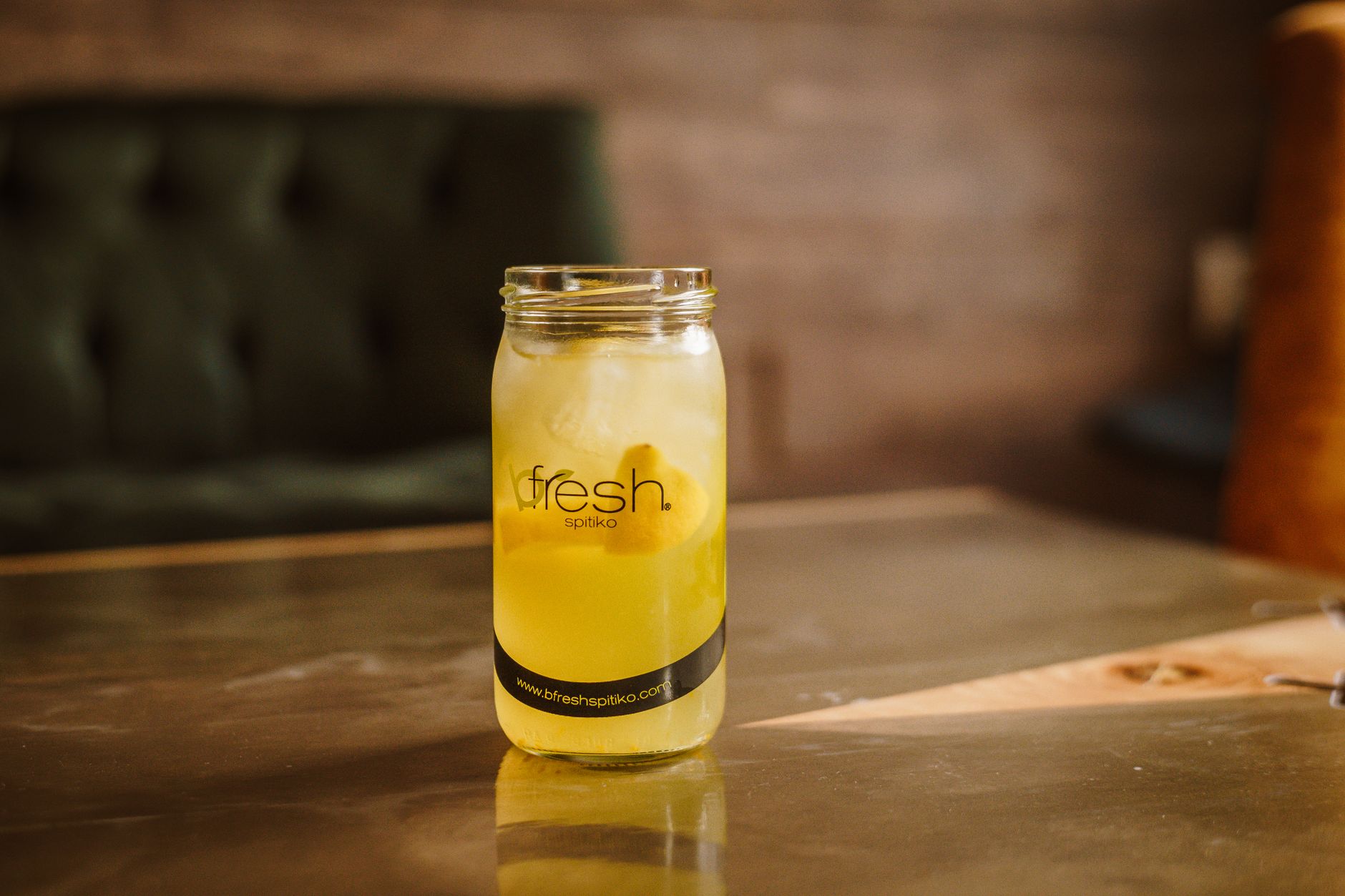
Lemonade is a beloved beverage, especially during warm weather, but its clarity is often a point of discussion. To answer the question, yes, traditional lemonade is typically considered a clear liquid, but this can depend on the specific recipe and preparation method used.
The appearance of lemonade can vary from completely transparent to slightly cloudy, particularly if it includes pulp or other ingredients. Understanding these distinctions can enhance your culinary knowledge and help you craft the ideal version of this refreshing drink.
Is Lemonade a Clear Liquid?
Most commonly, lemonade appears as a clear liquid, especially when strained and made from fresh lemon juice, water, and sugar. However, variations that include pulp or other components may result in a less transparent drink. Ultimately, lemonade’s clarity can give insights into its preparation methods and ingredient choices.
What Makes Lemonade Clear?
The clearness of lemonade is primarily impacted by its ingredients and the preparation method. Let’s explore how each aspect can influence the final appearance of the drink.
Ingredients
- Water: The base of lemonade is always water, which contributes to transparency. When using distilled or filtered water, the clarity can be maximized.
- Lemon Juice: Fresh lemon juice is typically clear, but the more you strain it, the clearer your lemonade will appear.
- Sugar: Commonly, sugar does not affect the clarity of lemonade; however, the form used can make a difference. Granulated sugar dissolves clearly, while some syrups may cloud the liquid slightly.
- Pulp: Many homemade lemonades include pulp from the juicing process, leading to a cloudy appearance. Store-bought lemonades often filter out pulp for clearer liquids.
- Other Flavorings: Adding ingredients such as mint, strawberries, or other fruits can impact clarity due to the solids they contribute.
Preparation Methods
The method you choose to prepare lemonade can also greatly influence its clarity:
- Straining: Using a fine mesh sieve or cheesecloth to strain the lemonade after juicing will remove most pulp and seeds, resulting in a clearer liquid.
- Blending: If you blend the lemons instead of juicing, the lemonade is likely to be cloudier due to the inclusion of all parts of the fruit, including the pulp and rind.
- Settling: Allowing lemonade to sit can also help some particles settle at the bottom, making the top layer clear. This stratification can be beneficial if you plan to serve it carefully, pouring off the top layer.
The Role of Clarity in Lemonade
Beyond aesthetic appeal, the clarity of lemonade has implications for flavor perception and beverage enjoyment. A clear drink often looks fresher and more appealing, suggesting a well-balanced recipe that has been carefully prepared.
Additionally, clarity can affect the drink’s flavor profile. A cloudy lemonade may have a more robust lemon flavor due to the presence of pulp, while a clear drink may feel lighter and more refreshing.
How to Make Clear Lemonade
If you’re interested in making a clear version of lemonade, follow this simple recipe that emphasizes clarity:
- Yield: About 4 cups
- Preparation Time: 10 minutes
- Cooking Time: 10 minutes (for making simple syrup)
- Total Time: 20 minutes
Ingredients
- 1 cup freshly squeezed lemon juice (approximately 4 to 6 lemons)
- 1 cup granulated sugar
- 4 cups filtered water
- Ice cubes (for serving)
- Optional: Lemon wheels or mint sprigs for garnish
Essential Equipment
- Citrus juicer or reamer
- Fine mesh sieve or cheesecloth
- Measuring cups
- Pitcher
- Whisk
- Glass for serving
Instructions
- Begin by making a simple syrup. In a small saucepan, combine 1 cup of water with 1 cup of granulated sugar. Heat over medium-low heat, stirring until the sugar has completely dissolved.
- Once the sugar is dissolved, remove the saucepan from heat and allow the syrup to cool.
- While the syrup cools, juice the lemons until you have 1 cup of lemon juice. Strain the juice through a fine mesh sieve or cheesecloth into a large pitcher to remove any pulp and seeds.
- After the syrup has cooled, add it to the pitcher with the strained lemon juice.
- Pour in the remaining 3 cups of filtered water. Stir well to combine all the ingredients.
- Chill the lemonade in the refrigerator before serving or serve immediately over ice.
- Garnish with lemon wheels or fresh mint if desired.
Variations and Substitutions
Making lemonade opens opportunities for creativity. Here are some common variations and substitutions:
- Herbal Infusions: Consider adding herbs, such as basil or thyme, to the simple syrup for an herbal twist. Just be sure to strain them out before adding the syrup to the lemon juice.
- Sweeteners: You can replace granulated sugar with honey, agave syrup, or stevia. Adjust to taste, keeping in mind that these substitutes can slightly alter flavor and clarity.
- Fruit Additions: For fruit-flavored lemonades, add pureed fruit and then strain after combining. Note that this will result in a less clear liquid but can create delightful flavors.
Common Mistakes When Making Lemonade
As with any recipe, there are some common pitfalls when preparing lemonade:
- Not Straining: Skipping the straining step will result in a pulpy beverage that may not be appealing to everyone.
- Over-Sweetening: Adding too much sugar can overpower the lemon flavor. Always taste before serving and adjust if needed.
- Using Overripe Lemons: Overripe lemons can impart a bitter taste that affects the overall beverage. For the best flavor, choose firm, vibrant lemons.
Storage and Shelf Life
Homemade lemonade can be stored in an airtight container in the refrigerator for up to 5 days. If you’ve added fresh herbs or fruits, be aware that their flavors can weaken, and they may start to break down. Always check for signs of spoilage before consuming.
To keep your lemonade clear for longer, avoid storing it with other solids. For best freshness, consider making small batches that can be consumed within a couple of days.
Creative Uses for Lemonade in the Kitchen
Lemonade’s versatility extends beyond just being a refreshing drink. Here are some creative uses for lemonade in your kitchen:
- Marinades: Lemonade can be used as a marinade base for chicken or fish, adding a tangy flavor and tenderizing the protein.
- Dressings: Incorporate lemonade into vinaigrettes for salads, bringing brightness and acidity.
- Baking: Use lemonade as a liquid component in cakes, muffins, or sorbets for a zesty twist.
- Glazes: Create a glaze by reducing lemonade on the stove until syrupy, perfect for drizzling over desserts.
Regional Variations of Lemonade
Lemonade does not have to be confined to just one style. Different cultures have various interpretations of this citrusy beverage:
- Brazilian Lemonade (Limonada Suíça): Made with whole limes (including the peel) blended with sugar and water, resulting in a creamy, slightly cloudy drink.
- Lebanese Lemonade: Often served with a touch of rose or orange blossom water, giving it a floral aroma and unique flavor profile.
- Thai Lemonade: This often includes fresh mint and sometimes ginger, making it a refreshing beverage to accompany spicy dishes.
Conclusion
In summary, traditional lemonade is typically a clear liquid, although various ingredients and preparation methods can affect its clarity. Understanding these nuances can enhance your beverage-making skills. Strive for a perfectly clear lemonade by using freshly squeezed lemon juice and straining it well, while feeling free to explore different flavors and variations.
For a delightful dessert, consider making a lemon icebox pie or try a lemon glaze for drizzling on cakes. Discover more at lemon icebox pie or enhance your dishes with a homemade lemon glaze.