
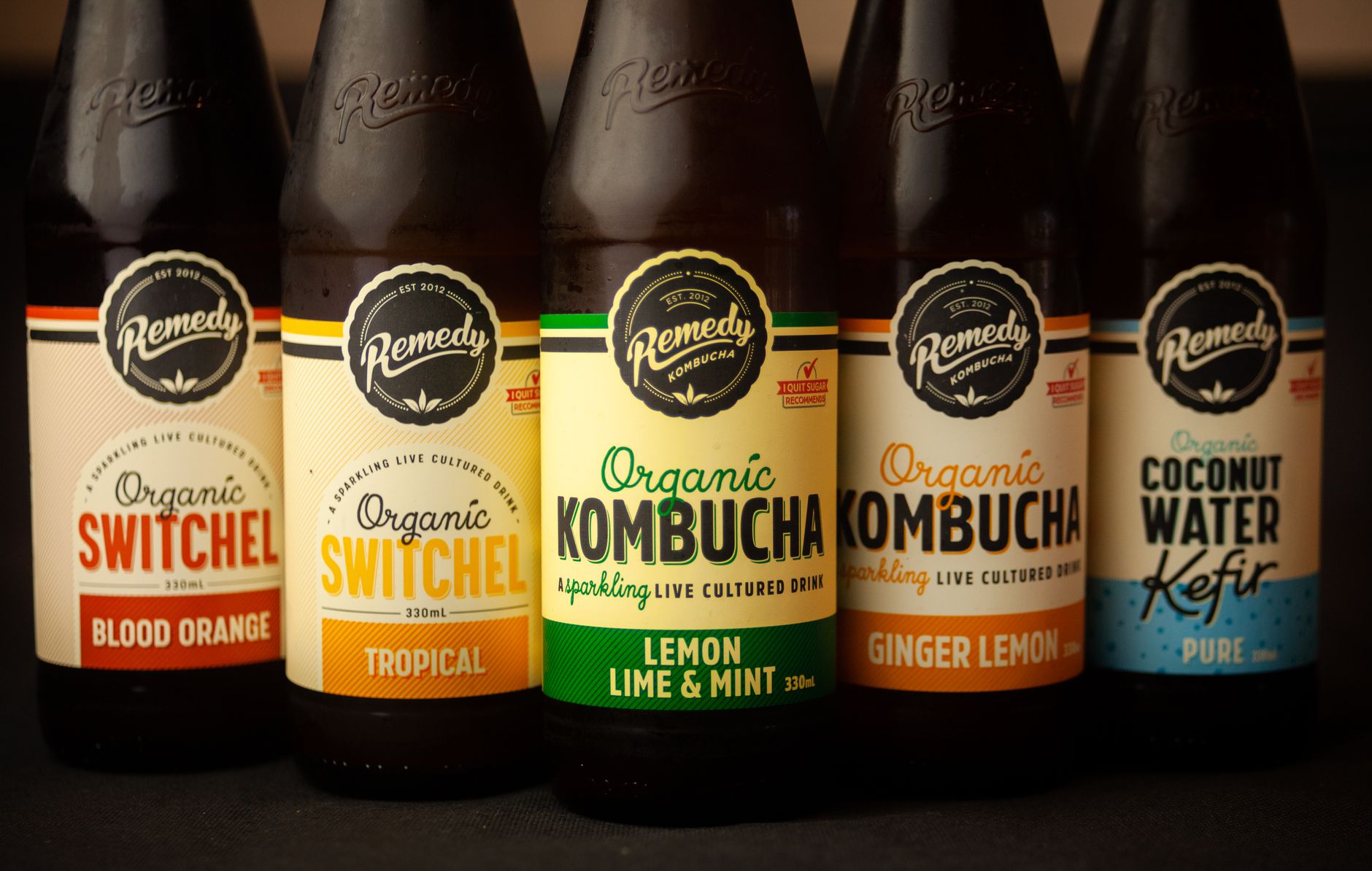
Kombucha, a fizzy tea beverage rich in probiotics, has gained immense popularity over the past few years, especially among health enthusiasts. Many people are curious about its potential benefits, particularly concerning gut health. In this article, we’ll explore whether kombucha is indeed good for your gut, discussing its nutritional value, the science behind gut health, and recommendations for consumption.
As you dive into the world of kombucha, we will address how this tangy drink can impact your digestive system, how to incorporate it into your diet, and cautionary considerations for those new to this fermented drink. With the right knowledge, you can make an informed decision about including kombucha in your everyday routine.
Is Kombucha Good for Your Gut?
Kombucha is generally considered good for your gut due to its high probiotic content, which can aid in digestion and promote a healthy gut microbiome. The fermentation process transforms tea and sugar into a beverage rich in beneficial bacteria and organic acids that can support gut health when consumed in moderation.
What is Kombucha?
Kombucha is a fermented drink made from sweetened tea, typically black or green tea, and a symbiotic culture of bacteria and yeast (SCOBY). The fermentation process lasts from several days to weeks, resulting in a slightly effervescent beverage with a tangy flavor profile. While its taste can vary based on the tea used and the fermentation time, kombucha can be described as refreshing, tart, and slightly sweet.
Nutritional Value of Kombucha
The nutritional value of kombucha can vary widely based on factors such as the tea and sugar used, fermentation duration, and additional flavorings. However, here are some common components found in kombucha:
- Probiotics: Beneficial bacteria that can support digestive health.
- Organic acids: Compounds like acetic and glucuronic acid, known for their potential health benefits.
- B vitamins: Essential for energy metabolism and overall well-being.
- Antioxidants: Compounds that can help combat oxidative stress in the body.
How Kombucha Affects Gut Health
The gut microbiome is a community of trillions of microorganisms living in the digestive tract, playing a crucial role in digesting food, producing essential nutrients, and supporting the immune system. Imbalance in this microbiome can lead to various health issues, including digestive disorders, weight gain, and systemic inflammation.
Here’s how kombucha can positively affect gut health:
1. Source of Probiotics
The primary benefit of kombucha for gut health is its rich probiotic content. Probiotics are live microorganisms that can help restore the natural balance of gut bacteria. Consuming probiotics can enhance digestion, improve gut barrier function, and reduce the incidence of gastrointestinal issues such as bloating and constipation.
2. Enhancement of Digestion
The organic acids in kombucha, produced during fermentation, can stimulate digestion by enhancing enzyme activity. This can aid in the breakdown of food, improving nutrient absorption, and promoting regular bowel movements.
3. Antimicrobial Properties
Kombucha contains compounds that may inhibit the growth of harmful bacteria in the gut. This includes preventing the overgrowth of pathogenic bacteria which can disrupt the gut microbiome and lead to health issues.
4. Inflammation Reduction
Chronic inflammation in the gut can contribute to conditions such as inflammatory bowel disease (IBD). The antioxidants found in kombucha may help reduce inflammation, supporting overall gut health.
How to Incorporate Kombucha into Your Diet
Adding kombucha to your diet can be simple and enjoyable. Here are some practical tips for incorporating this fizzy drink into your routine:
1. Start with Small Portions
If you’re new to kombucha, start with small servings—about 4 ounces to gauge your body’s reaction. This helps minimize any initial digestive discomfort that may occur as your gut adjusts to the influx of probiotics.
2. Pair it with Meals
Consider sipping kombucha during or shortly after meals to aid digestion. Its acidity can help stimulate digestive juices, making it easier for your body to break down food.
3. Use it as a Mixer
Kombucha can be a delightful base for cocktails or mocktails. Mixing it with fresh fruit, herbs, or even sparkling water can enhance its flavor and make it a refreshing alternative to sugary drinks.
4. Experiment with Flavor
There are numerous variations of kombucha on the market, each with its own unique flavor profile thanks to additional ingredients like ginger, berries, or citrus. Feel free to try different brands or homemade versions to find what you enjoy most.
Safe Consumption of Kombucha
While kombucha can offer several potential health benefits, it’s necessary to consume it safely and be aware of certain considerations:
1. Alcohol Content
During fermentation, small amounts of alcohol are produced, typically below 0.5% for commercially available kombucha. If you are sensitive to alcohol or avoiding it for health reasons, check the label to ensure you’re selecting a non-alcoholic version.
2. Sugar and Caloric Intake
Kombucha can contain added sugar from the fermentation process. Be mindful of the sugar content, particularly if you’re tracking your caloric intake. Opt for brands that use minimal added sugars or consider making your kombucha at home to control ingredients.
3. Risk of Contamination
If brewing kombucha at home, handle it carefully to avoid contamination. Ensure all equipment is sanitized and maintain proper fermentation practices to prevent harmful bacteria from developing.
4. Health Conditions and Consultations
Individuals with compromised immune systems or underlying health conditions should consult a healthcare professional before incorporating kombucha into their diet. Although generally safe, everyone’s health situation is unique.
Common Myths about Kombucha
Despite its increasing popularity, various myths about kombucha circulate. Let’s debunk a few of them:
1. Kombucha Cures All Ailments
While kombucha can support gut health, it is not a magic elixir. It should be part of a balanced diet and not viewed as a treatment for specific conditions. Always consult a healthcare provider for medical advice.
2. Kombucha is Alcoholic
As mentioned, commercially produced kombucha should not contain more than 0.5% alcohol, placing it in the non-alcoholic beverage category. Homebrewed versions, however, can vary widely.
3. Everyone Can Drink Kombucha
Kombucha may not be suitable for everyone, especially those with certain health conditions. Pregnant women or people with specific gastrointestinal disorders should seek medical advice before consumption.
Making Kombucha at Home
If you’re adventurous, consider brewing your kombucha at home. Doing so allows you to control the ingredients and adjust flavors to your liking. Here’s a simple guide to get started:
Ingredients:
- 1 cup granulated sugar
- 8 tea bags (black or green tea)
- 2 cups starter tea (from a previous batch or store-bought kombucha)
- 1 SCOBY (symbiotic culture of bacteria and yeast)
- 1 gallon filtered water
Equipment:
- 1-gallon glass jar
- Tea kettle for boiling water
- Measuring cups
- Wooden spoon
- Cheesecloth or breathable cover
Instructions:
- Boil the water in a kettle and dissolve sugar in it by stirring.
- Add tea bags to the sugar water and steep for 15 minutes. Remove tea bags and let the mixture cool to room temperature.
- Transfer the cooled tea into a clean 1-gallon glass jar and add the starter tea.
- Carefully add the SCOBY into the jar.
- Cover the jar with cheesecloth and secure it with a rubber band, allowing airflow while preventing contamination.
- Place the jar in a warm, dark place (70-85°F) for 7 to 14 days, tasting periodically to determine your desired flavor.
- Once fermented, remove the SCOBY and the new kombucha can be bottled and flavored as desired. For best taste, refrigerate to halt fermentation.
Storing Kombucha
Proper storage of kombucha helps preserve its taste and beneficial properties. Follow these guidelines for storage:
1. Refrigeration
Store unconsumed kombucha in the refrigerator to maintain its freshness. This will slow down the fermentation process, preserving flavor and acidity.
2. Bottling
If bottling your homemade kombucha, use dark glass bottles to protect against light exposure, which can alter taste and reduce beneficial components.
3. Amount of Time
Kombucha generally stays fresh for up to a month in the refrigerator. However, taste and acidity may continue to change as it ages, so consume it while it’s still at its peak flavor.
Final Thoughts
In moderation, kombucha can be a beneficial addition to your diet, potentially enhancing gut health and overall well-being. The key is to pay attention to your body’s reactions, choose high-quality products, or brew your own at home. As with any dietary addition, consulting a healthcare professional is advisable, especially if you have existing health conditions.
Now that you’re informed about kombucha and its potential benefits, consider giving it a try as part of your healthy lifestyle. Whether you’re looking to enjoy it straight, mix it into drinks, or try your hand at home fermentation, kombucha offers plenty of options to explore.
For more ways to enhance your diet with probiotics, check out our guide on foods that have probiotics or discover a delicious chia pudding recipe to add nutrition and flavor to your meals.