
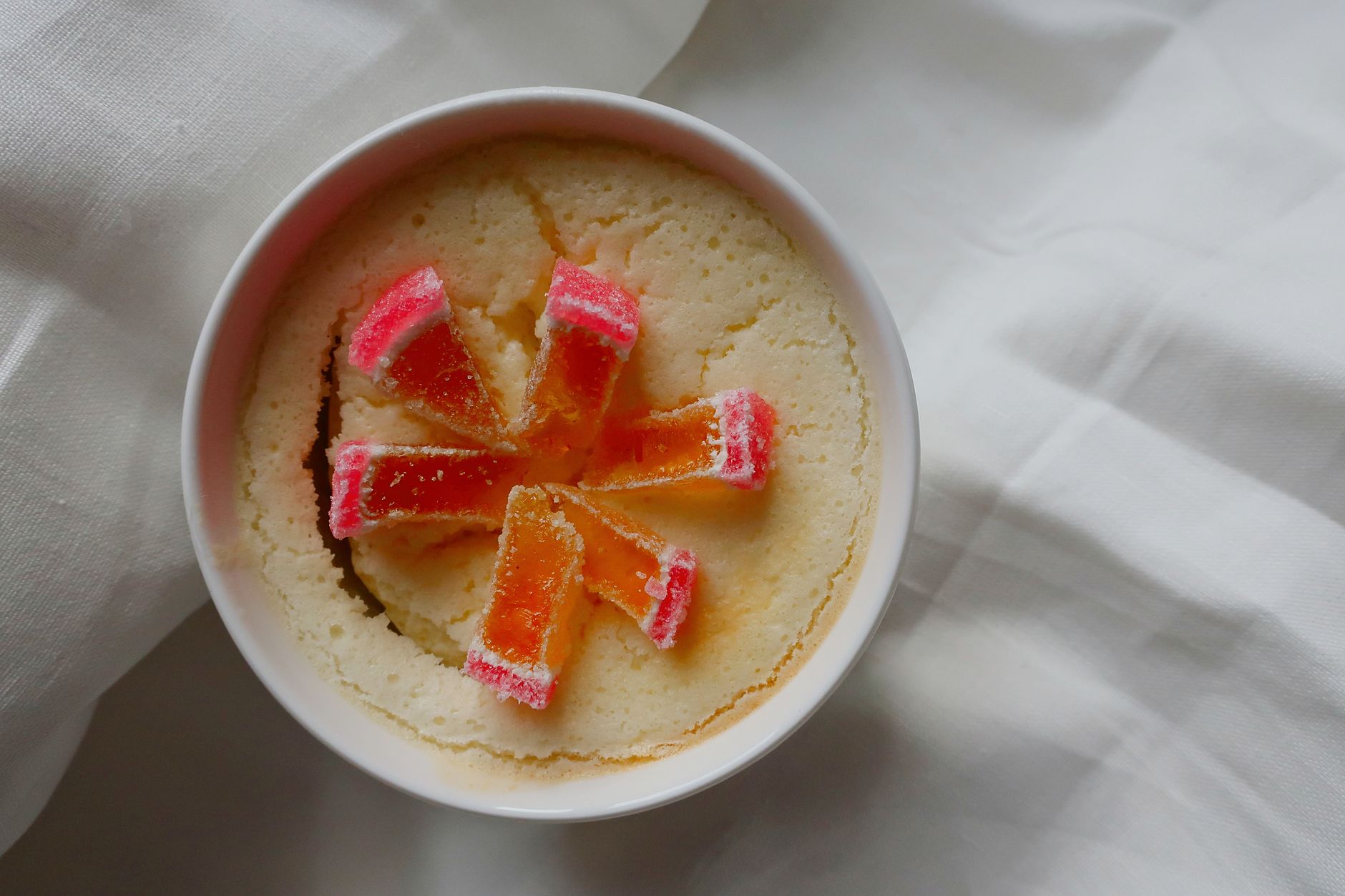
A ramekin dish is a small, often cylindrical dish used in cooking and serving various recipes. Its size and shape make it versatile, ideal for individual servings of both sweet and savory dishes, such as soufflés, custards, and even dips.
They are usually made of ceramic but can also be found in glass or porcelain. Ramekins not only provide practical functionality in the kitchen but also add an elegant touch to your dining experience.
What Is a Ramekin Dish?
A ramekin is a small, typically round dish used in cooking, baking, and serving food. They generally range in size from about 3 to 8 ounces and are designed to withstand high temperatures in the oven. The classic ramekin features flared sides and a small base, which promotes even heating and easy serving.
Ramekins come in various materials, including ceramic, glass, and porcelain, with ceramic being the most popular due to its ability to retain heat well and its aesthetic appeal. The dishes are available in numerous colors and designs, making them an attractive option for dining.
Ingredients and Culinary Uses
Ramekins can be used for a variety of culinary applications, including:
1. Baking
Ramekins are famously used for baking dishes such as:
- Soufflés: These fluffy baked dishes rely on egg whites for their rise and are usually baked in ramekins.
- Custards: Classic baked custards are often prepared in these dishes, ensuring even cooking.
- Cakes: Mini cakes and lava cakes can also be made using ramekins, creating individual servings.
2. Cooking
Beyond baking, ramekins serve practical functions in cooking:
- Individual servings: Use ramekins for portions of macaroni and cheese, chicken pot pie, or lasagna.
- Prep bowls: Ramekins also make great containers for ingredient prep for various recipes, such as chopped herbs or spices.
- Steaming: Ramekins can be placed inside a steaming basket to steam vegetables or seafood.
3. Serving
After preparation, ramekins add elegance to your table setting:
- Dips: Serve sauces like ranch, hummus, or salsa in ramekins to create an appealing presentation.
- Ice creams: Elevate your dessert game by serving ice creams or sorbets in ramekins.
- Salads: Individual portions of salad can be served in ramekins for a chic look.
How to Choose a Ramekin
Selecting the right ramekin involves considering a few essential factors:
1. Material
Ramekins come in various materials, each of which has its pros and cons:
- Ceramic: Ideal for even heat distribution, and available in many colors. Perfect for baking and serving.
- Glass: Both functional and aesthetic, glass ramekins allow you to check the food while it’s cooking.
- Porcelain: Similar to ceramic, porcelain is durable and often more elegant.
2. Size
Consider the serving sizes you want to offer. Ramekins typically come in various sizes ranging from 3 ounces to 8 ounces. Choose smaller ramekins for appetizers and larger ones for main courses or desserts.
3. Design
Choose ramekins that complement your kitchen decor and table setting. Simple white ramekins can add a classic touch, while colored or patterned ones can add flair.
Common Ramekin Mistakes to Avoid
While using ramekins, there are common pitfalls to be aware of:
1. Ignoring Size
Be cautious not to select a ramekin that is too small or too large for the recipe. An overcrowded ramekin can lead to uneven cooking, while a ramekin that is too big can result in overcooking.
2. Overheating
Ceramic ramekins can withstand high heat, but sudden temperature changes can crack them. Avoid taking a cold ramekin directly from the fridge to a hot oven.
3. Underestimating Baking Time
Pay attention to the baking time indicated in a recipe and keep a close eye on the dishes to avoid overbaking.
Recipe Ideas for Ramekins
Here are some delicious recipes that can be made in ramekins, showcasing their versatility:
1. Individual Baked Apple Crisp
- Ingredients:
- 2 medium apples, peeled and diced
- 1/2 cup oats
- 1/4 cup brown sugar
- 1/2 teaspoon cinnamon
- 1/4 cup unsalted butter, melted
- Instructions:
- Preheat the oven to 350°F (175°C).
- In a bowl, combine apples, oats, brown sugar, and cinnamon.
- Divide the mixture into buttered ramekins.
- Drizzle melted butter on top of each ramekin.
- Bake for 25-30 minutes until golden brown and bubbly.
2. Crème Brûlée
- Ingredients:
- 2 cups heavy cream
- 1 vanilla bean, split
- 4 large egg yolks
- 1/2 cup granulated sugar (plus more for topping)
- Instructions:
- Preheat the oven to 325°F (160°C).
- In a saucepan, heat the cream and vanilla bean until just simmering.
- In a bowl, whisk egg yolks and sugar until pale.
- Gradually add hot cream mixture to egg yolks, whisking continuously.
- Strain the mixture and pour it into ramekins.
- Place the ramekins in a baking dish filled with hot water.
- Bake for about 30-40 minutes until set.
- Chill for at least 2 hours. Before serving, sprinkle sugar on top and use a kitchen torch to caramelize.
3. Spinach and Cheese Soufflé
- Ingredients:
- 2 cups fresh spinach, chopped
- 1 cup shredded cheese (Gruyère or your choice)
- 4 large eggs
- 2 tablespoons butter
- 2 tablespoons flour
- 1 cup milk
- Salt and pepper to taste
- Instructions:
- Preheat the oven to 375°F (190°C) and grease the ramekins.
- In a saucepan, melt butter and add flour to form a roux.
- Gradually whisk in milk and cook until thickened.
- Mix in spinach, cheese, and seasonings.
- Separate eggs, beating the yolks into the mixture and folding in stiffly beaten egg whites.
- Pour into ramekins and bake for 20-25 minutes until puffed and golden.
Storage and Reheating Ramekin Dishes
When it comes to storing food in ramekins, there are a few things to keep in mind:
Refrigeration
If you have leftover casseroles or individual desserts, you can cover the ramekins with plastic wrap or aluminum foil and store them in the refrigerator for up to three days. Proper covering will help maintain freshness and prevent unwanted odors from affecting the food.
Freezing
Many ramekin dishes, especially those without sauces, can be frozen. Make sure to cool them thoroughly and wrap them tightly to avoid freezer burn. When you are ready to eat, thaw in the refrigerator overnight. Reheat in the oven or microwave.
Reheating
To reheat ramekin dishes, it’s generally best to do so in the oven. Preheat the oven to 350°F (175°C) and place the ramekins on a baking sheet. Heat until warmed through, about 10-15 minutes. If microwaving, reduce cooking time and check for even heating.
Conclusion
Ramekin dishes are versatile culinary tools that offer many uses, from baking and cooking to elegantly serving individual portions. With their wide variety of applications and attractive designs, they add style to any kitchen or dining table. Whether you’re preparing a delicious soufflé or simply need a stylish serving option for dips, investing in a collection of ramekins is a smart choice.
Explore various delicious recipes and culinary tips to enhance your cooking experience. Experiment with baked apple crisp, crème brûlée, or spinach and cheese soufflé as you utilize your ramekin dishes!