
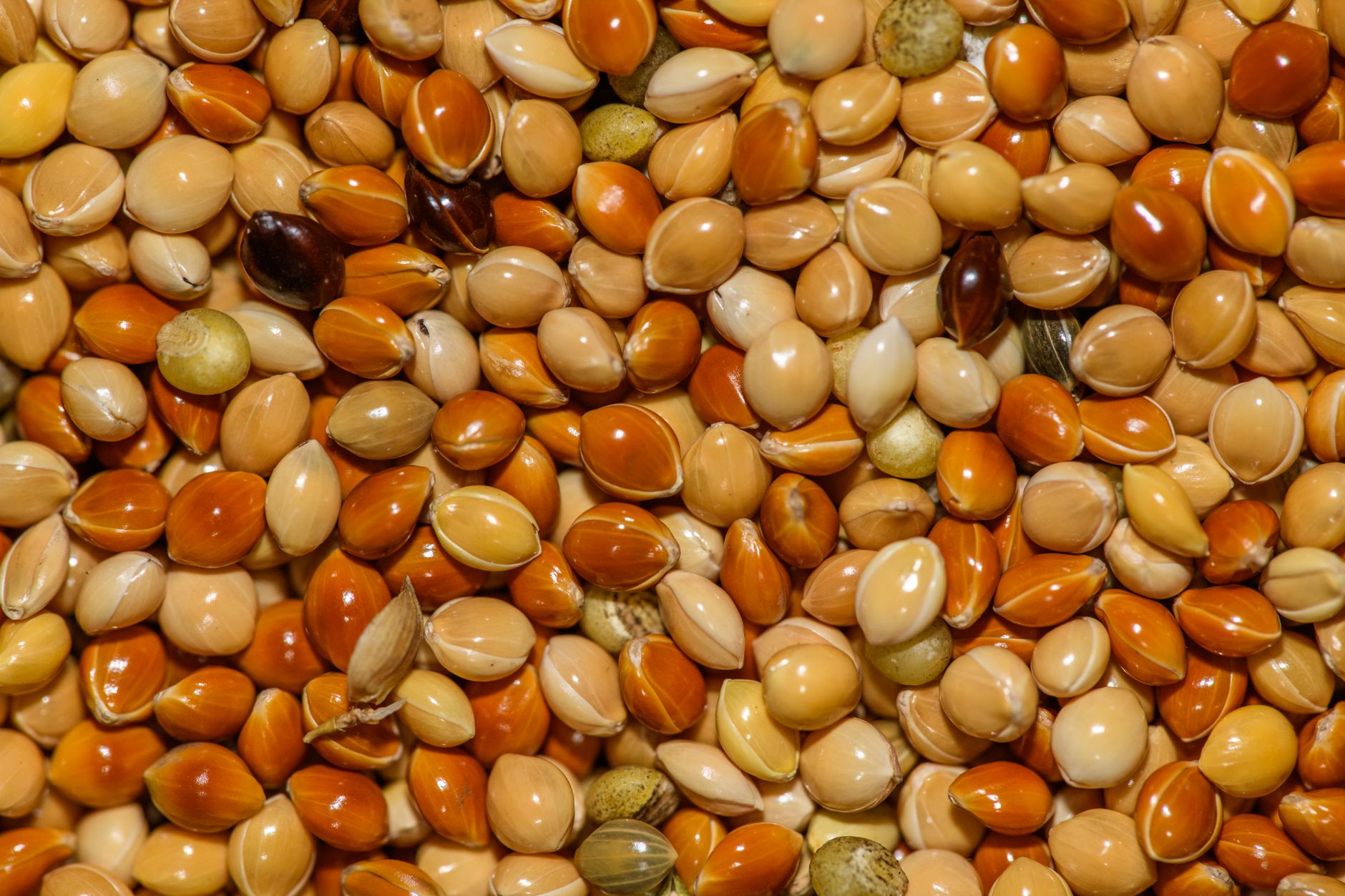
Jowar, also known as sorghum, has gained popularity as a nutritious and gluten-free grain option. With the rise in gluten intolerance and celiac disease awareness, many people are exploring gluten-free alternatives, and jowar is often mentioned as an excellent choice. Understanding whether jowar is indeed gluten-free is important for those with dietary restrictions. This article will dissect what jowar is, its gluten properties, labeling, and considerations for cross-contact in gluten-free cooking.
Before diving into the details, it’s essential to understand the grain itself. Jowar is a versatile and ancient grain known for its nutty flavor, making it a valuable ingredient in various dishes and cuisines. This article will provide comprehensive insights on jowar’s gluten content, potential uses, and tips for incorporating it into a gluten-free diet.
Is Jowar Gluten Free?
Jowar is naturally gluten-free. It is a whole grain that does not contain gluten, making it a safe option for those with celiac disease or gluten sensitivity. However, it’s crucial to be aware of cross-contamination during processing or preparation, which can introduce gluten from other sources. Always look for certified gluten-free labels to ensure safety.
Understanding Jowar
Jowar (Sorghum bicolor) is a cereal grain originating from Africa and is cultivated in many parts of the world, including India and the United States. Jowar can be ground into flour, used in porridge, or enjoyed as whole grains. Its composition includes:
- Carbohydrates: Jowar is a rich source of carbohydrates, providing energy.
- Protein: It contains a decent amount of protein, making it a suitable alternative to wheat.
- Fiber: High fiber content aids in digestion and promotes a feeling of fullness.
- Vitamins and Minerals: Jowar is rich in B vitamins, iron, magnesium, and antioxidants.
Celiac Disease and Gluten Sensitivity
Celiac disease is an autoimmune disorder triggered by gluten, a protein found in wheat, barley, and rye. For individuals with this condition, consuming gluten can lead to severe health issues. Symptoms may include digestive problems, fatigue, and skin conditions. Gluten sensitivity, while not an autoimmune disease, can also cause discomfort when gluten is consumed.
For both celiac disease and gluten sensitivity, understanding safe food choices is essential for managing symptoms and ensuring overall well-being.
Labeling and Packaging
When purchasing jowar products, especially in flour or grain form, always check labels carefully. The term ‘gluten-free’ should be clearly mentioned. Packaged jowar products that are certified gluten-free have undergone testing to ensure they meet the safety standards for gluten-free foods.
Look for trusted brands that explicitly state their gluten-free status. Be cautious with bulk or generic products if they do not provide specific labeling, as they may be susceptible to cross-contamination.
Cross-Contact Considerations
Cross-contact occurs when gluten-containing grains come into contact with jowar, potentially contaminating it. This can happen during processing, packaging, or in kitchens where gluten and gluten-free foods are prepared in the same space.
To minimize the risk of cross-contact:
- Buy from reputable sources: Choose suppliers who handle gluten-free grains carefully.
- Keep separate utensils: Use dedicated cooking tools for gluten-free foods.
- Clean surfaces thoroughly: Ensure that countertops and cutting boards are cleaned before preparing jowar dishes.
Cooking with Jowar
Jowar is a versatile grain that can be used in numerous ways. Here are some popular methods and recipes incorporating jowar:
Jowar Flour Substitutions
You can substitute jowar flour for wheat flour in many recipes, but it’s important to understand how it behaves differently. Here are some details about substituting jowar flour:
- Texture and Flavor: Jowar flour has a distinct earthy flavor, which may change the taste profile of your dish.
- Thickening Agent: Due to its coarser texture, jowar flour may not provide the same elasticity as wheat flour. Mixing it with binding agents like xanthan gum can help improve texture.
- Moisture Content: Jowar absorbs more liquid than wheat flour, so adjustments in liquid amounts may be necessary.
Basic Jowar Porridge Recipe
This simple jowar porridge is a nutritious breakfast option that showcases the grain’s versatility.
Yield: 2 servings
Preparation Time: 5 minutes
Cooking Time: 15 minutes
Total Time: 20 minutes
Ingredients:
- 1 cup jowar grain (or use 1/2 cup jowar flour for a quicker recipe)
- 3 cups water or milk (dairy or non-dairy)
- 1 tablespoon honey or maple syrup (optional)
- Pinch of salt
- Optional toppings: fruits, nuts, or seeds
Instructions:
- Rinse the jowar under cold water to remove any impurities.
- If using whole grains, soak them overnight for better cooking results.
- In a saucepan, combine jowar and water or milk. Add a pinch of salt.
- Bring to a boil; then reduce heat to a simmer. Cover and cook for about 15 minutes, or until the jowar becomes soft. If using flour, whisk into the water or milk and cook until thick and creamy.
- Sweeten with honey or maple syrup if desired, and serve with your choice of toppings.
Creative Ways to Use Jowar
Jowar is not limited to porridge. Here are some other creative ways to incorporate it into your meals:
- Jowar Roti: A popular Indian flatbread made with jowar flour, perfect for pairing with curries.
- Jowar Salad: Toss cooked jowar grain with chopped vegetables, herbs, and a tangy dressing for a nutritious salad.
- Jowar Pasta: Experiment with homemade pasta using jowar flour as the base.
- Jowar Pancakes: Make delicious pancakes by mixing jowar flour with eggs, milk, and your favorite additions.
Storage Tips for Jowar
Your jowar’s shelf life depends on how it’s stored. Here are some handy tips to keep it fresh:
- Whole Grains: Store in a cool, dry place in an airtight container. It can last up to 6 months.
- Flour: Jowar flour should be kept in the refrigerator or freezer for extended shelf life, preferably up to one year.
Common Mistakes to Avoid
When cooking with jowar, avoid these common pitfalls:
- Not soaking the grains: Soaking jowar can significantly reduce cooking time and promote better texture. Don’t skip this step, especially if using whole grains.
- Ignoring cross-contact: Always ensure proper storage and preparation methods to prevent gluten contamination.
- Overcooking: Monitor the cooking time carefully, as jowar can become mushy if overcooked.
Conclusion
Jowar is a nutritious, gluten-free grain that can add variety to a gluten-free diet. With its health benefits and versatility, it serves as a great ingredient in many recipes. Always check labels and be mindful of cross-contact issues when incorporating jowar into your meals.
Explore more about gluten-free grains, including whether basmati rice is gluten-free or try your hand at making delicious gluten-free gnocchi for a delightful dietary experience.