
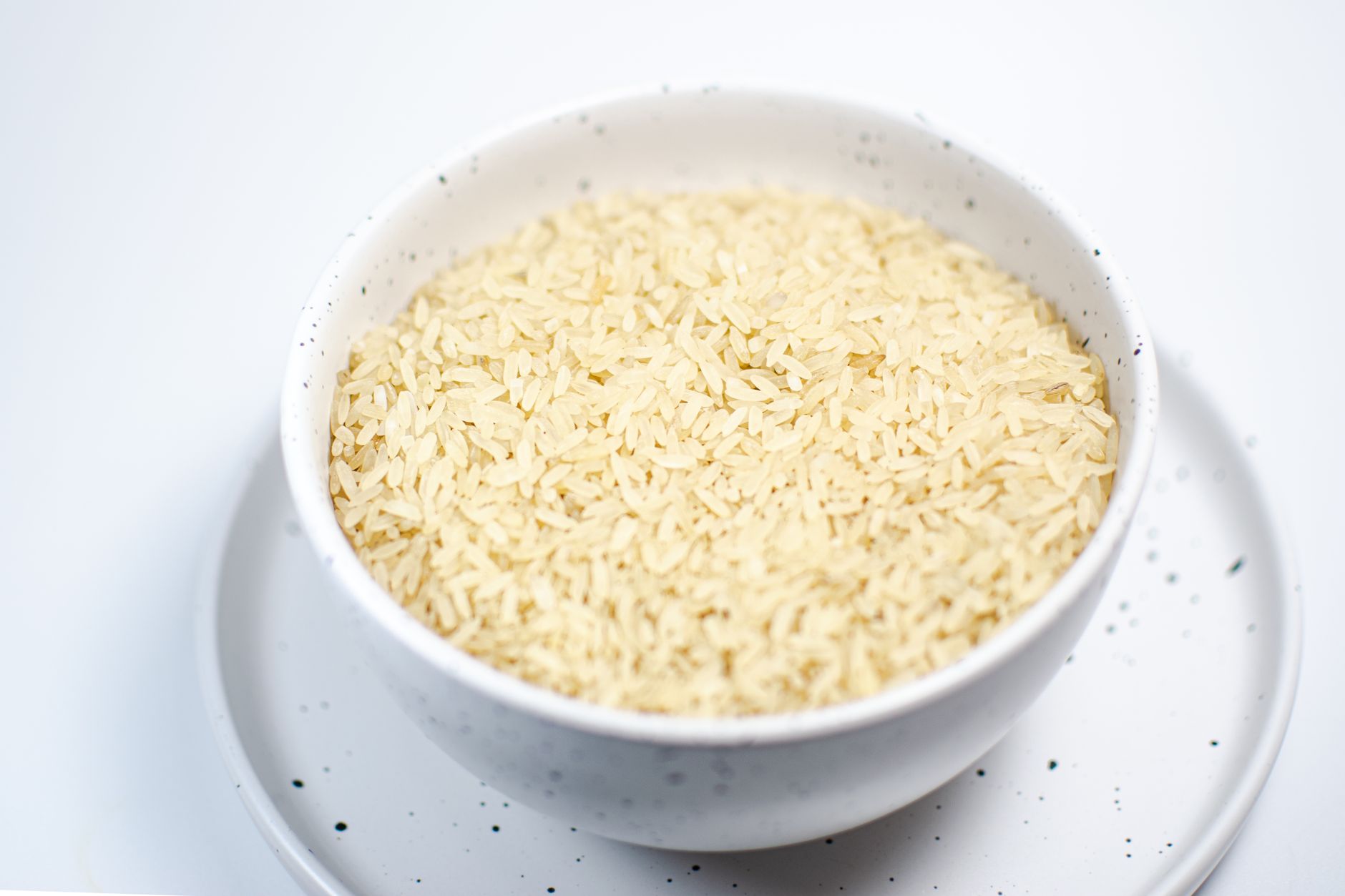
When navigating the world of rice, many home cooks find themselves wondering about the differences between jasmine rice and standard white rice. While both options are popular staples in many cuisines, understanding their unique properties can help you choose the right one for your dishes.
In this article, we’ll explore the key differences between jasmine rice and white rice, including flavor, texture, cooking techniques, and culinary uses. By the end, you’ll have a clearer perspective on whether jasmine rice is the same as white rice and when to use each variety for the best results in your cooking.
Is Jasmine Rice the Same as White Rice?
No, jasmine rice is not the same as white rice. Although both are considered long-grain varieties, jasmine rice is aromatic, with a distinctive floral scent and a stickier texture when cooked, while traditional white rice is more neutral in flavor and less fragrant. These differences affect their culinary applications, cooking methods, and overall character in dishes.
What is Jasmine Rice?
Jasmine rice, originating from Thailand, is a long-grain aromatic rice. It is known for its soft, slightly sticky texture when cooked and its floral fragrance, which enhances the overall sensory experience of meals. Jasmine rice is typically harvested, husked, and may be milled to remove the bran layer, resulting in white jasmine rice. It is often used in Southeast Asian cuisine and pairs beautifully with dishes like curries, stir-fries, and grilled meats.
What is White Rice?
White rice refers to any variety of rice that has been milled and polished to remove the husk, bran, and germ layers. Common types include long-grain, medium-grain, and short-grain white rice, with each type offering a different texture and flavor profile. The most used varieties in Western kitchens are long-grain white rice and medium-grain rice such as arborio. White rice tends to have a neutral flavor and a fluffy texture when cooked, making it versatile for many dishes, from pilafs to sushi.
Key Differences Between Jasmine Rice and White Rice
Flavor
The flavor of jasmine rice is distinctly floral and nutty, contributing a unique aroma to dishes. In contrast, plain white rice has a much milder taste that pairs well with a variety of seasonings and ingredients, acting more as a side dish than a flavor enhancer.
Texture
Jasmine rice is often described as fluffy yet slightly sticky when cooked, which is characteristic of its high amylopectin content. This stickiness allows jasmine rice to bind together, making it ideal for certain Asian dishes. On the other hand, white rice typically has a firmer texture, resulting in individual, non-sticky grains that are suitable for pilafs and fried rice.
Culinary Uses
Jasmine rice is best used in dishes where its fragrance and texture can shine, such as Thai curries, fried rice, and alongside grilled meats and vegetables. It provides a delightful backdrop for aromatic notes. White rice, with its neutral flavor and versatility, is suited for a wide range of preparations, from traditional rice bowls to stuffing ingredients in dishes like sushi.
Cooking Techniques and Time
Jasmine rice typically cooks in about 15 to 20 minutes and follows a simple cooking method.
- Rinse jasmine rice under cold water to remove excess starch, which helps achieve a non-sticky texture.
- Use a ratio of 1 cup of jasmine rice to 1.5 cups of water.
- Bring the water to a boil, then reduce to a simmer and cover until the rice has absorbed all the water.
For white rice, the cooking process can vary based on the specific type used, but generally, it involves rinsing and boiling in a similar ratio, about 1 cup of white rice to 2 cups of water, until tender but not mushy.
Nutritional Value
In terms of nutrition, both jasmine rice and white rice offer similar energy content, primarily from carbohydrates. However, it is essential to note that jasmine rice often retains some nutrients, as it can be available in both white and brown varieties. Brown jasmine rice, for example, retains its bran layer, providing more fiber and certain vitamins and minerals. Meanwhile, white rice is often enriched to restore some nutrients lost during processing.
Substitution Guide: When to Use Jasmine Rice vs. White Rice
Understanding when to use jasmine rice versus white rice can elevate your cooking. Here are some general guidelines for substitution based on dishes:
- Asian Dishes: Use jasmine rice for dishes such as Thai curry, stir-fries, or sushi. Its flavor and texture complement the ingredients well.
- Neutral Dishes: For pilafs, casseroles, or fried rice, white rice provides a neutral base that can absorb flavors without overpowering the dish.
- Salads: If making a rice salad, white rice or basmati may work better to keep distinct grains. Jasmine rice can also work if you prefer a sticky texture.
- Health-Conscious Options: For fiber and nutrients, consider using brown jasmine rice over white rice for added health benefits.
Common Mistakes When Cooking Rice
Cooking rice might seem simple, but it’s easy to make mistakes that can affect the texture and flavor. Here are some common errors:
- Skipping the Rinse: Not rinsing jasmine rice can lead to overly sticky results due to excess starch.
- Incorrect Water Ratios: Using too much or too little water can either leave your rice watery or burnt and dry.
- Not Letting It Rest: After cooking, allowing rice to rest (covered) for 5–10 minutes helps improve texture as the grains finish cooking in steam.
- Stirring Too Much: Stirring rice while it cooks can release starches and lead to a gummy texture, especially in jasmine rice.
Serving Suggestions for Jasmine Rice and White Rice
Both jasmine rice and white rice can be served in various ways to complement your meals. Here are some ideas:
- Jasmine Rice:
- Pair with coconut curry for a delightful flavor contrast.
- Serve with grilled chicken skewers and a side of fresh vegetables for a light summer meal.
- White Rice:
- Create a hearty rice bowl with vegetables, avocado, and protein for a filling lunch or dinner option.
- Use as a base for stuffing with bell peppers or zucchini to make a nutritious and flavorful dish.
Storage Tips for Rice
How you store rice can impact its longevity and quality. Here are storage guidelines for both jasmine and white rice:
- Uncooked Rice: Store in an airtight container in a cool, dry place to protect it from pests and moisture. Jasmine rice can last for 6 months to 1 year, while white rice has a shelf life of 4 to 5 years if stored properly.
- Cooked Rice: Store leftover cooked rice in the refrigerator within two hours of cooking. Use an airtight container to keep it fresh for 3 to 5 days. Reheat to at least 165°F (74°C) before serving.
Conclusion
While jasmine rice and white rice share similarities as common staples, their differences in flavor, texture, and uses make them distinct. Understanding these nuances can help elevate your cooking and ensure that you choose the right rice for each dish. Whether you are preparing a fragrant curry or a simple fried rice, knowing when to use jasmine rice versus white rice will enhance your culinary creations.
Explore more about cooking techniques and other rice varieties in our detailed guides on arborio rice or rice pudding. Happy cooking!