
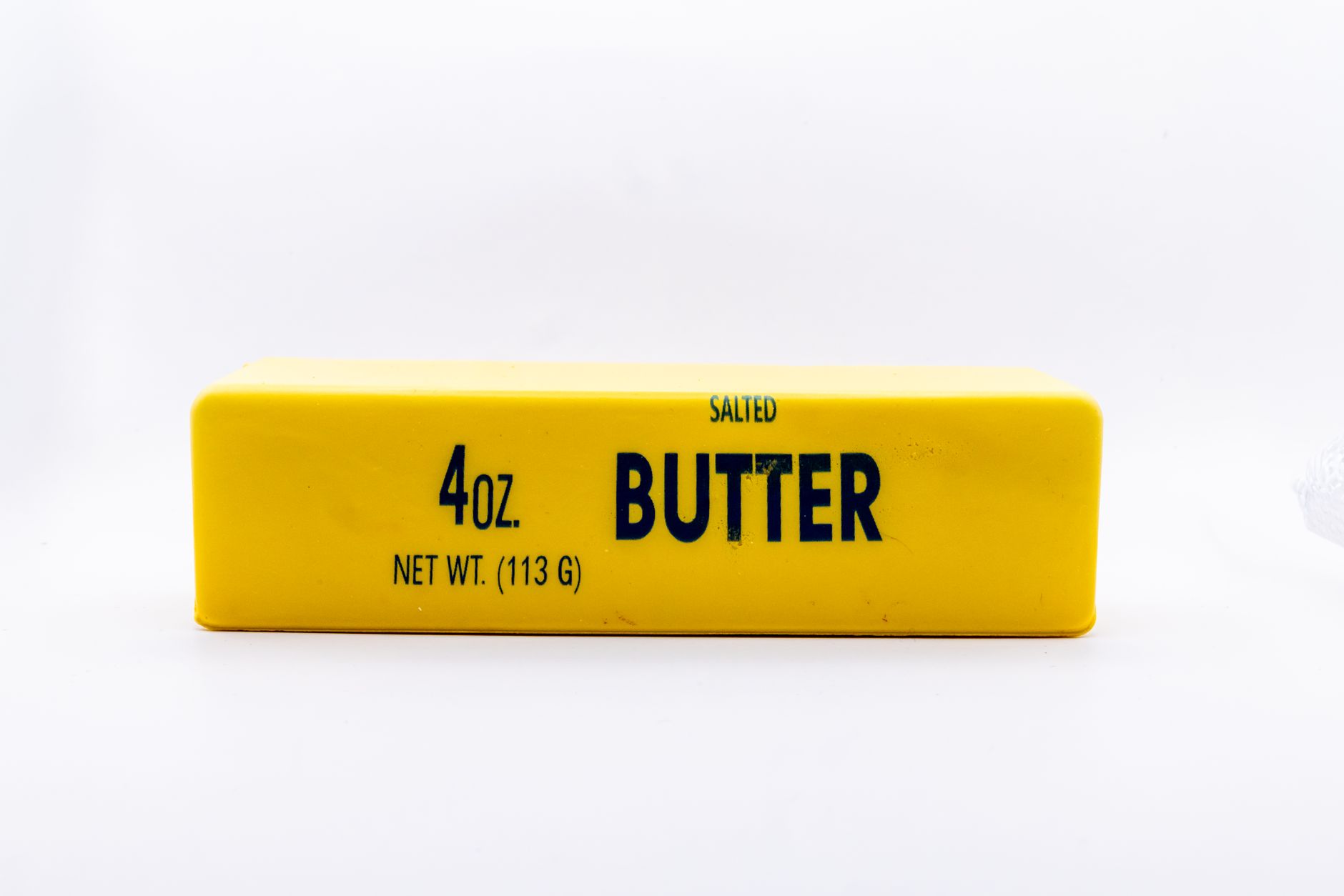
Butter is a common ingredient used in countless recipes, from cookies and cakes to sauces and sautéed dishes. However, when it comes to measuring butter, it’s important to know how much a stick contains in cups to ensure accurate cooking and baking. Understanding the measurements will help streamline your cooking process and make your culinary creations come out perfectly every time.
A standard stick of butter, which is often packaged in foil or paper wrappers, is a staple found in most kitchens. In this guide, we will break down the conversion of butter sticks to cups and offer tips, substitutions, and applications in various culinary contexts.
How Much Cups Is a Stick of Butter?
A stick of butter typically measures 1/2 cup. In practical terms, most US butter sticks are pre-marked with tablespoon and cup measurements, making it easy to assess exactly how much you’re using.
Understanding Butter Measurements
Butter can be measured in different forms, including sticks, tablespoons, and cups. Knowing the conversion among these units can aid in recipe execution and minimize the potential for mishaps in the kitchen.
Butter Measurement Conversion
- 1 stick of butter = 1/2 cup
- 1 stick of butter = 8 tablespoons
- 2 sticks of butter = 1 cup
These conversions are particularly useful when a recipe calls for butter and provides the measurement in cups or tablespoons. Understanding these relationships will help simplify ingredient preparation and make your cooking more precise.
Measuring Butter Accurately
Measuring butter accurately is crucial, especially in baking. Unlike cooking, where a little variation may not matter, baking relies heavily on exact measurements. Here are a few methods to measure butter with precision:
Using the Wrapper
Many butter brands use a convenient paper or foil wrapper to mark the measurements for you. Simply follow these steps:
- Unwrap the stick of butter.
- Look for the markings on the wrapper, which indicate tablespoons and cups.
- Cut along the desired measurement line to ensure accurate portions.
Using a Kitchen Scale
If you’re working with large quantities of butter or prefer more precise measurements, using a kitchen scale is a great option. Butter has a standard density, so:
- 1 stick of butter weighs approximately 113 grams or 4 ounces.
- If your recipe calls for more or less, simply adjust accordingly.
Types of Butter and Their Uses
There are various types of butter available on the market, each offering unique flavors and uses that can influence your cooking and baking endeavors. Here is a look at some common types of butter:
Unsalted Butter
This is the most frequently used type of butter in baking and cooking, as it allows you to control the amount of salt in your dishes. Many professional bakers prefer unsalted butter to monitor their recipes precisely, avoiding any unexpected saltiness.
Salted Butter
Salted butter contains added salt, which can enhance flavor but may interfere with the desired taste of baked goods. Use salted butter when spreading on bread or for sautéing, but consider using unsalted butter for baking to better manage salt levels.
Clarified Butter
Clarified butter is produced by simmering butter and removing the milk solids and water. This makes it a popular choice for high-heat cooking, as it has a higher smoke point. It also offers a rich, nutty flavor, perfect for sauces and sautés.
For a simple way to make clarified butter at home, you can follow this easy recipe.
European-Style Butter
European-style butter has a higher butterfat content (around 82% as opposed to the typical 80% in regular butter). This enriched flavor and creaminess makes it a favorite for pastries and gourmet cooking.
Baking With Butter
Butter plays a key role in baking, acting as a leavening agent and providing moisture, richness, and flavor to baked goods. Here are several applications of butter in baking:
Cakes
Butter helps create a tender crumb in cakes. When creamed with sugar, it incorporates air, leading to a light and fluffy texture. Depending on your recipe, you may need to adjust the amount of butter for different types of cakes, such as pound cake or sponge cake.
Cookies
In cookies, butter contributes to the overall texture and flavor. Different amounts and techniques used with butter can result in soft and chewy cookies or crisp and crunchy ones. Experimenting with melted versus softened butter can yield different outcomes in your cookie baking.
Pies and Pastries
Butter is a key ingredient in pie crusts and pastries, providing flakiness and richness. The cold temperature of the butter, when incorporated, creates pockets that lead to a tender texture while baking. Always start with chilled butter for the best results in flaky pie crusts.
Substituting Butter in Recipes
While butter is a cherished ingredient, there are occasions when you may need or wish to substitute it in recipes. Here are some alternatives:
Coconut Oil
Coconut oil can serve as a good substitute for butter in many recipes, especially in baked goods. Use a 1:1 ratio, but keep in mind that it may impart a hint of coconut flavor.
Margarine
Margarine can also replace butter in a 1:1 ratio; however, it may have a different texture and flavor profile. It is often used in recipes that require a scent or flavor shift.
Applesauce
For a healthier option, unsweetened applesauce can replace butter in baking recipes at a 1:1 ratio. However, since applesauce contains moisture, you may need to adjust the liquid components in your recipe slightly.
Greek Yogurt
Another healthier alternative is Greek yogurt, which can provide moisture while reducing fat. Substitute half the amount, meaning for each cup of butter, use 1/2 cup of Greek yogurt. This works best in quick bread and muffins.
Common Mistakes with Butter
Working with butter can sometimes lead to mishaps. Here are a few common mistakes to avoid:
Not Softening Butter Properly
When a recipe calls for softened butter, avoid melting it entirely. Softened butter should still maintain its shape while being slightly pliable. You can soften butter faster by grating or cutting it into smaller chunks.
Overmixing Dough
In recipes that call for creaming butter with sugar, overmixing can lead to tough baked goods. Once the mixture is fluffy, stop mixing to maintain a tender texture.
Using Old or Expired Butter
Butter can spoil over time, especially if left unrefrigerated or improperly stored. Always check expiration dates and smell your butter for any off odors before using it.
Storing Butter
Making sure butter is stored correctly can prevent spoilage and maintain its freshness:
Refrigeration
Unopened butter can be stored in the refrigerator and usually lasts for several months. Once opened, it is best to consume it within one month for optimal flavor. Always keep it wrapped to prevent absorbing odors from other foods.
Freezing Butter
Butter can be frozen for longer storage, lasting up to a year if kept sealed and wrapped tightly. When ready to use, thaw it in the refrigerator overnight for a better texture.
Conclusion
Understanding how much a stick of butter measures in cups and mastering its uses in cooking and baking can greatly enhance your kitchen prowess. Whether you are following a recipe, making substitutions, or storing butter, these insights can make your experience more enjoyable and successful.
For those looking to expand their knowledge on butter, be sure to check out these recipes and guides: clarified butter recipe and butter swim biscuits recipe.