
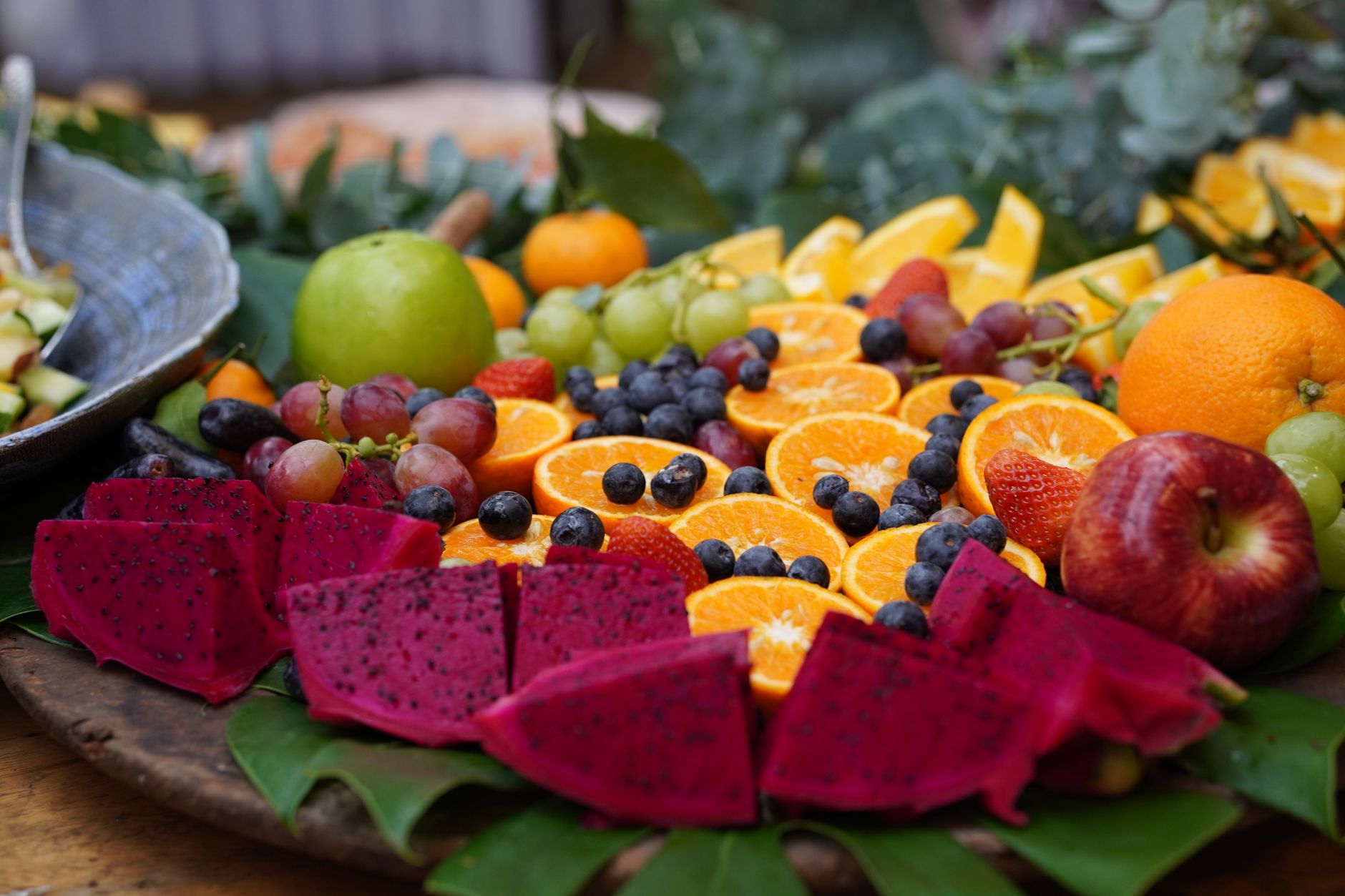
As the seasons change, many people wonder if the fruits they find in the grocery store or farmer’s market are safe to eat. Spoilage, contamination, and seasonal availability can impact fruit safety. Knowing how to select, store, and handle fruit safely is essential for enjoying its many health benefits.
This guide explores the safety of consuming fruit, providing practical tips for selecting fresh produce, proper storage methods, and insights into seasonal fruit availability. By following these guidelines, you can make informed choices and enjoy delicious, healthy fruit without worry.
Is It Safe to Eat Fruit Now?
Yes, it is generally safe to eat fruit, but there are important factors to consider. Ensure that your fruit is fresh, properly washed, and stored correctly. Being aware of the source and handling practices can further reduce health risks associated with fruit consumption.
Understanding Fruit Safety
Fruit safety largely relates to its handling, storage, and the conditions under which it is grown. Contaminants such as pesticides, bacteria, or mold can compromise fruit safety. Here are some key factors to consider:
- Source: Choose fruits from reputable sources, such as certified organic farms or well-known markets. This can reduce the risk of pesticide exposure and ensure better quality.
- Inspection: Inspect fruits for signs of spoilage such as bruising, mold, or unusual odors. Avoid purchasing damaged or overripe fruit.
- Washing: Always wash fruits under running water before consumption, even if you plan to peel them. This helps eliminate bacteria and pesticide residues.
Choosing the Right Fruits
When selecting fruits, pay attention to seasonal availability and local produce. Seasonal fruits tend to be fresher and tastier. Here’s how to choose fruit safely:
Fruits in Season
Eating fruits that are in season not only ensures better flavor but also usually means they are fresher and locally sourced. Here’s a brief overview of seasonal fruits:
| Season | Fruits |
|---|---|
| Spring | Strawberries, Cherries, Apricots |
| Summer | Watermelon, Peaches, Berries, Plums |
| Fall | Apples, Pears, Grapes, Cranberries |
| Winter | Citrus fruits like Oranges and Grapefruits, Kiwis, Pomegranates |
Inspecting Fruits
When choosing fruits, examine these characteristics:
- Color: Look for vibrant colors. Dull or faded colors can indicate overripeness.
- Texture: Choose firm fruits for most varieties. Softness may indicate over-ripeness or decay.
- Smell: Fresh fruits usually have a pleasant aroma. A sour or off smell can indicate spoilage.
Proper Storage of Fruits
How you store fruits can significantly affect their safety and shelf life. Here are some general storage tips:
Refrigeration vs. Room Temperature
Different fruits have different storage needs:
- Refrigerate: Berries, grapes, apples, and citrus fruits should be refrigerated to slow spoilage.
- Room Temperature: Bananas, avocados, and tomatoes can ripen at room temperature but should be refrigerated once ripened.
Storage Containers
Use breathable containers or produce bags for storage. Avoid plastic bags that restrict airflow, leading to moisture buildup and spoilage. Additionally, keep fruits separate from vegetables to prevent ethylene gas emissions, which can accelerate ripening.
Handling Fruits Safely
To ensure fruit is safe to eat, practice the following handling techniques:
Washing and Preparing
- Wash hands with soap and water before handling any fruits.
- Rinse under running water, using a soft brush if necessary to remove dirt from firm-skinned fruits.
- Peel or cut fruits if desired, using a clean knife and cutting board.
- Keep cut fruits refrigerated and consume within a few days.
Preventing Cross-Contamination
Use separate cutting boards and utensils for fruits and other foods to prevent cross-contamination. Always wash surfaces and tools after preparing raw meats or vegetables.
Identifying Spoiled or Unsafe Fruits
Even with proper selection and storage, fruits can spoil. Be aware of signs indicating spoilage:
- Mold: If you see mold on any fruit, discard it immediately.
- Off Odor: A sour smell may mean the fruit is going bad.
- Texture Changes: Soft spots or excessive moisture indicate spoilage.
Common Fruits and Their Safety Considerations
Understanding specific safety considerations for popular fruits can help you make informed choices. Here’s a guide to common fruits:
Apples
Apples can harbor pesticide residues; therefore, washing thoroughly is important. Store them in the refrigerator to maintain freshness.
Bananas
Bananas ripen quickly at room temperature. If they develop brown spots, they are still safe to eat but may have a mushy texture.
Watermelons
Watermelons should be washed before cutting to prevent contamination. You can learn how to freeze watermelons properly to enjoy later.
Strawberries
These are particularly prone to mold. Wash them thoroughly and do not hull until you are ready to eat them to preserve freshness.
Blueberries
Blueberries can last longer than many berries when stored in the fridge. You can check how long blueberries last to get the most out of your purchase.
Seasonal and Local Fruit Benefits
Choosing seasonal and local fruits provides diverse advantages:
- Flavor: Freshly picked fruits often taste better than those transported long distances.
- Nutrition: Fruits consumed at their peak season are generally richer in nutrients.
- Environmentally Friendly: Local fruits have a smaller carbon footprint compared to imported fruits.
Dealing with Food Allergies and Sensitivities
Some individuals may have allergies or sensitivities to specific fruits. It’s important to know the essential fruits to watch out for:
- Citrus Fruits: Oranges, lemons, and limes can cause reactions in some people.
- Stone Fruits: Peaches, plums, and cherries may lead to allergic reactions for certain individuals.
- Bananas: Some people may experience allergies, especially those who are allergic to latex.
Cooking and Enjoying Fruits
Whether eaten raw or used in recipes, fruits create opportunities for healthy dishes. Here are some enjoyable ways to prepare and use fruits:
Fresh Salads
Combine a variety of fresh fruits for a refreshing fruit salad. Mix fruits like strawberries, blueberries, and apples, drizzling with a little lime juice for extra zest.
Smoothies
Blend seasonal fruits with yogurt or juice for a nutritious smoothie. Bananas, spinach, and mangoes make for an energizing drink.
Baking
Incorporate fruits like apples and berries into baked goods such as muffins, pies, and tarts. These fruits add natural sweetness and moisture to recipes.
Traveling Considerations
When traveling, ensure that you pack your fruits safely. Here are some tips:
- Hard Fruits: Apples and oranges travel well and do not bruise easily.
- Packaging: Use breathable bags to avoid moisture buildup during transportation.
- Storage Upon Arrival: Store fruits in a cool place or refrigerator to maintain freshness.
Conclusion
Eating fruit is safe as long as proper handling, inspection, and storage practices are followed. By being mindful of the fruits you choose and how you prepare them, you can enjoy the flavors and health benefits they bring.
To enhance your fruit enjoyment, explore related topics such as freezing watermelon or learning how long blueberries last for optimal freshness. Discover more as you venture into the world of fruits!