
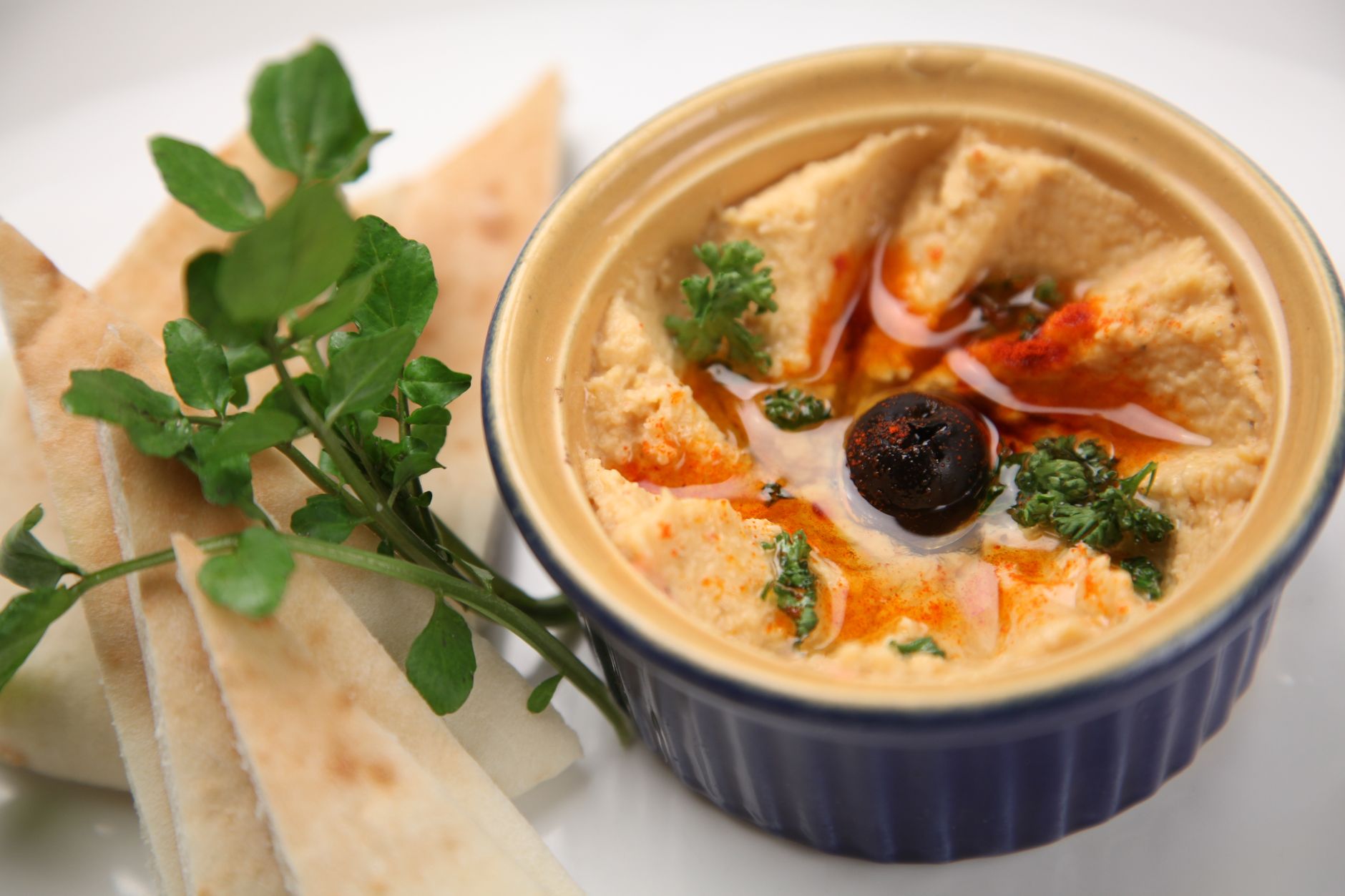
Hummus is a beloved dip and spread known for its creamy texture and nutty flavor. Made primarily from blended chickpeas, tahini, olive oil, and spices, it has gained immense popularity as a healthy option for snacking and meal preparation. One of the key nutritional aspects that many people inquire about is its protein content.
This article explores whether hummus is a good source of protein, its nutritional profile, and how it can be integrated into a balanced diet. Whether you’re a vegetarian, a vegan, or just someone looking to add more plant-based protein to your meals, understanding the qualities of hummus will help you make informed dietary choices.
Is Hummus a Good Source of Protein?
Hummus can be considered a moderate source of protein. With approximately 5-8 grams of protein per 100 grams of hummus, it contributes to daily protein needs, especially when combined with other protein sources. However, it is important to recognize that hummus alone may not provide sufficient protein compared to animal-based products.
Nutritional Profile of Hummus
A deeper exploration into the nutritional profile of hummus reveals various health benefits. The basic ingredients—chickpeas, tahini, olive oil, garlic, and lemon—each have unique nutritional properties.
Key Ingredients and Their Benefits
- Chickpeas: Chickpeas are the primary component of hummus. They are a great source of plant-based protein and fiber, which promotes satiety and digestive health. One cup of cooked chickpeas contains about 15 grams of protein and 12 grams of fiber.
- Tahini: Made from ground sesame seeds, tahini adds a nutty flavor and healthy fats. It offers additional protein—approximately 5 grams per 2 tablespoons—and is high in calcium and antioxidants.
- Olive Oil: This healthy fat is rich in monounsaturated fatty acids and can help to lower bad cholesterol levels. While olive oil does not contribute much protein, its inclusion aids in nutrient absorption.
- Garlic: Known for its beneficial health effects, garlic adds flavor and has antioxidant and anti-inflammatory properties.
- Lemon Juice: This ingredient not only provides a zesty flavor but also vitamin C, which aids iron absorption from plant sources.
Protein Content in Hummus
To better understand the protein content in hummus, let’s take a look at the typical composition. A standard serving size of hummus is about 2 tablespoons, or roughly 30 grams. Here’s the approximate breakdown:
| Ingredient | Protein Content (per 100g) |
|---|---|
| Hummus | 5-8 grams |
| Cooked Chickpeas | 15 grams |
| Tahini | 17 grams |
While hummus contains a moderate amount of protein, it ranks lower than many other foods like meat, dairy, eggs, and even certain legumes when consumed in large quantities.
Why Consider Hummus as a Protein Source?
Hummus has unique qualities beyond its protein content that make it valuable in various diets:
- Plant-Based Protein: For vegetarians and vegans, hummus provides a delicious way to incorporate more plant-derived protein into their diets.
- Versatility: Hummus can be used in numerous dishes, from dips to spreads, and can be easily blended into salads, wraps, and grain bowls to enhance the overall protein content.
- Healthy Snacking: As a wholesome dip, hummus pairs well with vegetables and whole-grain pita, making it an ideal snack that can satisfy hunger while providing essential nutrients.
Combining Hummus with Other Protein Sources
For those looking to boost their protein intake, consider pairing hummus with other protein-rich foods. Some excellent combinations include:
- Whole-grain pita bread or crackers for added fiber and protein.
- Vegetables such as carrots, bell peppers, or celery, which can provide crunch and additional nutrients.
- Protein-rich salads that include quinoa, chickpeas, or lentils mixed with hummus for a more balanced meal.
- Sliced hard-boiled eggs or grilled chicken for those who consume animal products.
Dietary Considerations and Recommendations
As hummus becomes a popular choice among various diet plans, it’s useful to consider its place in a balanced diet.
For Vegans and Vegetarians
Hummus is an excellent protein source for vegans and vegetarians, helping to combat deficiencies that may arise from eliminating meat. Its versatility allows it to be used in intricate recipes or simply enjoyed as a dip.
For Weight Management
Hummus is low in calories but high in healthy fats and fiber, which can help control hunger levels. Used wisely in portion control, it serves as a great tool for those looking to manage weight while still feeling satisfied.
For Diabetics
Those managing blood sugar levels can also benefit from hummus as it has a low glycemic index. Combined with high-fiber vegetables, it can help maintain stable blood sugar levels.
Common Mistakes When Preparing Hummus
Even simple recipes can go awry if common mistakes are made. Here are a few tips to perfect your hummus:
- Over-Blending: Blending hummus too long can cause it to become runny. Blend just until creamy to achieve the perfect texture.
- Too Much Liquid: Adding too much liquid, such as water or oil, can dilute the flavor. Start with a small amount and add more as needed.
- Underseasoning: A pinch of salt can enhance flavors significantly. Don’t shy away from seasoning thoughtfully.
Recipe: Classic Hummus
If you want to try making your own hummus at home, this quick recipe is a great starting point.
Ingredients
- 1 can (15 oz) chickpeas, drained and rinsed
- 1/4 cup tahini
- 2 tablespoons olive oil
- 2 tablespoons lemon juice (freshly squeezed)
- 1 clove garlic, minced
- Salt, to taste
- Water, as needed for consistency
Essential Equipment
- Food processor or blender
- Measuring cups and spoons
- Spatula
Instructions
- In the food processor, add the drained chickpeas, tahini, olive oil, lemon juice, and minced garlic.
- Blend until smooth. If the mixture is too thick, add water one tablespoon at a time while blending until desired consistency is reached.
- Taste and add salt as necessary. Blend again for a few seconds to mix.
- Transfer the hummus to a serving bowl and drizzle with olive oil. Serve with vegetables or whole-grain pita.
Storage and Serving Suggestions
Hummus can be stored in an airtight container in the refrigerator for up to a week. For best results, stir before serving again to restore its creamy texture. You can also freeze hummus for up to three months; just ensure it’s in a freezer-safe container.
Serving Ideas
Experiment with different toppings and pairings to enhance the flavor profile:
- Add a sprinkle of paprika or sumac for an aromatic touch.
- Top with chopped herbs like parsley or cilantro for freshness.
- Incorporate roasted red peppers or olives for an extra flavor boost.
Final Thoughts on Hummus and Protein
While hummus is not the highest protein source available, it does provide a range of nutritional benefits and complements a healthy diet well. It serves as an excellent addition for those looking to incorporate more plant-based options into their meals and can be paired with other protein-rich foods to enhance its overall protein contribution.
Whether as a snack or part of a meal, hummus is versatile, nutritious, and loved by many, making it a worthwhile component of a balanced diet.
For more delicious ways to enjoy hummus, check out this recipe for hummus without tahini or experiment with some savory toppings to elevate your spread!