
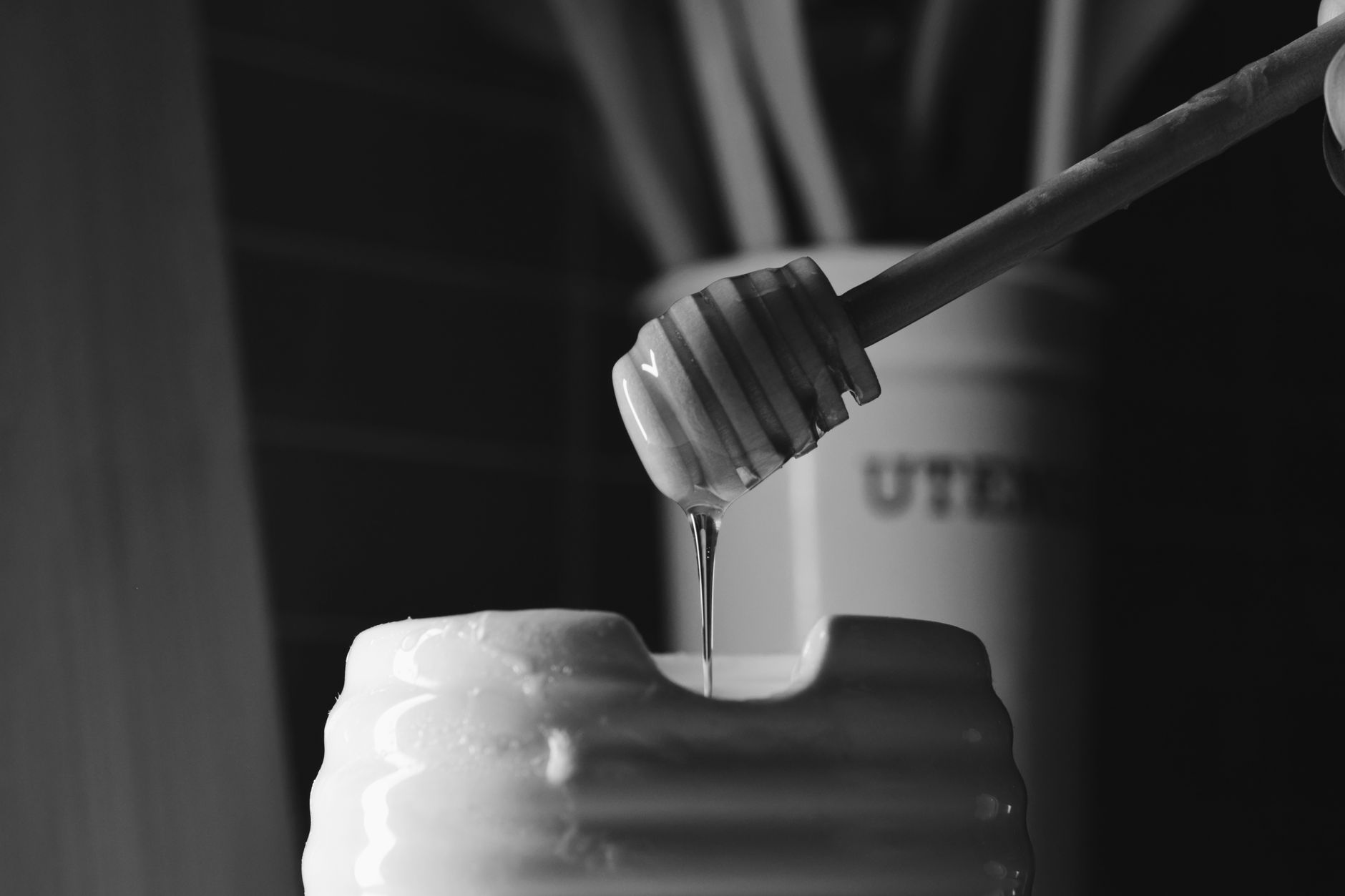
Honey has been treasured for its natural sweetness and medicinal properties for centuries. For pregnant women, this golden syrup often prompts questions about its safety and benefits. Knowing whether honey is suitable to include in a pregnancy diet is essential for many expecting mothers.
This article explores the suitability of honey for pregnant women, examining its potential benefits, risks, and ways to incorporate it responsibly into a balanced diet.
Is Honey Good for Pregnant Women?
Yes, honey can be good for pregnant women when consumed in moderation. Its natural sugars provide energy, and it contains small amounts of vitamins and minerals. However, pregnant women should avoid raw honey due to the risk of botulism, a rare but serious illness.
Benefits of Honey for Pregnant Women
Including honey in your diet during pregnancy offers various potential benefits, which can enhance overall well-being. These benefits include:
- Natural Sweetener: Honey is a healthier alternative to refined sugars and artificial sweeteners, making it an excellent choice for adding sweetness to foods and beverages.
- Energy Boost: The natural sugars found in honey can provide a quick energy boost when fatigue strikes, which is common during pregnancy.
- Antioxidants: Honey contains antioxidants, which help combat oxidative stress and inflammation in the body, contributing to overall health.
- Cough Relief: Honey can soothe sore throats and coughs, making it beneficial during pregnancy when these conditions may be more common.
- Digestive Health: It may aid in digestion, helping to alleviate common pregnancy-related digestive issues like constipation.
Potential Risks of Honey During Pregnancy
While honey has many advantages, there are also important considerations to keep in mind:
- Botulism Risk: Pregnant women should avoid raw honey to lower the risk of botulism, which can be life-threatening. The bacteria spores can thrive in unpasteurized honey, posing a risk to both the mother and developing fetus.
- Sugar Content: Honey is high in natural sugars, which can contribute to excessive caloric intake and gestational diabetes if consumed in large amounts. Moderation is key.
- Allergies: If you have a history of allergies to pollen or bee products, consult your healthcare provider before incorporating honey into your diet.
How to Incorporate Honey into Your Pregnancy Diet
If you are considering adding honey to your diet, here are several practical ideas for using it in delicious and nutritious ways:
Sweetening Foods and Beverages
Using honey as a natural sweetener can enhance various foods and drinks. Here are some ideas:
- Morning Oatmeal: Drizzle a teaspoon of honey over your oatmeal or yogurt for added sweetness and flavor.
- Smoothies: Incorporate honey into fruit smoothies for an energy boost and natural sweetness.
- Baking: Substitute honey for sugar in baked goods. Use about 3/4 cup of honey for every cup of sugar, and reduce the liquid ingredients slightly, as honey adds moisture.
Flavoring Dishes
Honey can add depth and flavor to both savory and sweet dishes. Experiment with the following:
- Salad Dressings: Whisk together honey, vinegar, and olive oil for a homemade salad dressing.
- Glazes and Marinades: Use honey in glazes for meats or as part of marinade recipes, such as honey garlic chicken.
Soothing Remedies
Honey’s soothing properties make it an excellent choice for home remedies:
- Honey Lemon Tea: Combine hot water, lemon juice, and honey for a comforting drink that soothes sore throats.
- Honey and Ginger: Blend honey with freshly grated ginger for a natural remedy against nausea.
Practical Cooking Tips when Using Honey
When incorporating honey into recipes, consider these cooking tips to maximize flavor and health benefits:
- Choose Quality Honey: Opt for organic or local honey when possible to ensure quality and avoid additives.
- Watch the Temperature: Avoid high heat when cooking with honey, as this can diminish its nutritional qualities. Use it in dishes cooked at lower temperatures or add it after cooking.
- Read Labels: When purchasing honey, read ingredient labels to confirm it is pure honey without added sugars or preservatives.
Common Mistakes to Avoid
While cooking and using honey, be mindful of these common pitfalls:
- Using Raw Honey: Always use pasteurized honey during pregnancy to mitigate the risk of botulism.
- Overconsumption: Resist the temptation to overuse honey in recipes. Moderate quantities are key to avoid excess sugar intake.
- Ignoring Allergies: If you have allergies or sensitivities to other bee products, consult your healthcare provider before using honey.
Storage and Shelf Life of Honey
To maintain honey’s quality and flavor, proper storage is crucial:
- Keep It Airtight: Store honey in a tightly sealed container to prevent moisture absorption and crystallization.
- Avoid Heat: Keep honey in a cool, dark place away from direct sunlight and heat sources to preserve its properties.
- Crystallization: Don’t worry if honey crystallizes; it’s a natural process. Simply place the jar in warm water and stir to return it to a liquid state.
Consulting Healthcare Providers
Before making significant dietary changes during pregnancy, it is always wise to consult your healthcare provider. They can offer personalized advice based on your health history, dietary needs, and any potential complications.
Conclusion
Honey can be a delightful addition to a pregnant woman’s diet when used responsibly. With its natural sweetness and potential health benefits, it adds flavor and nutrition without resorting to refined sugars. Always prioritize moderation and choose pasteurized honey to ensure safety for both mother and baby.
If you’re looking for ways to incorporate honey into your meals, explore our honey sesame chicken recipe or learn how to make a delicious honey glaze that can elevate your dishes. Enjoy the culinary journey while keeping your health in mind!