
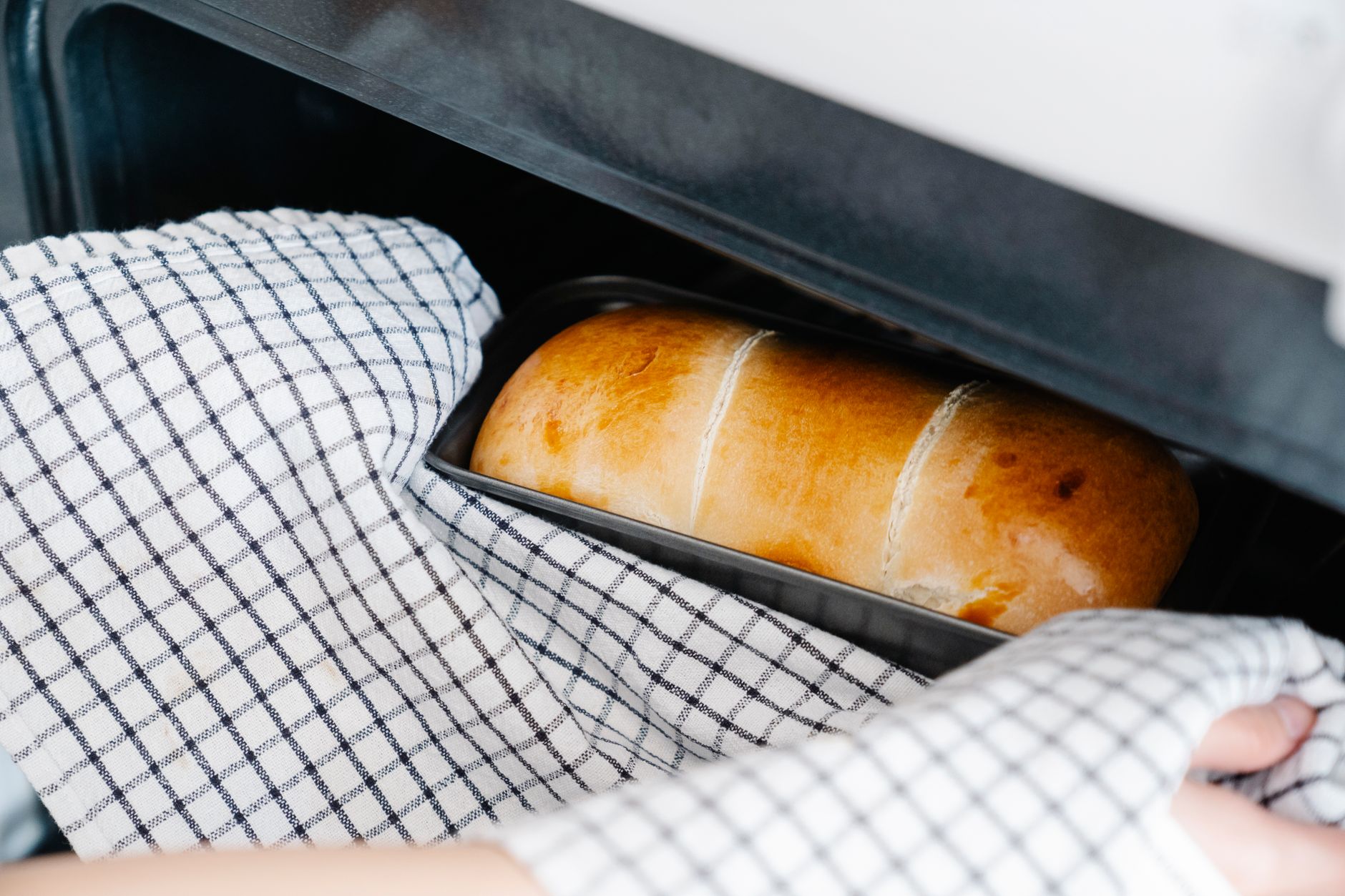
Making homemade bread has gained popularity as many seek healthier alternatives to store-bought varieties. The quest for freshness, quality ingredients, and dietary customization drives people towards baking their own bread. But is homemade bread truly better for you? This article delves into the nutritional aspects, ingredient control, and overall benefits of homemade bread compared to its commercial counterparts.
We will explore aspects such as the quality of ingredients, control over additives, personalized flavoring, and dietary needs. Understanding these factors will help you make an informed choice about whether homemade bread is the right option for your lifestyle and health goals.
Is Homemade Bread Better for You?
Homemade bread can indeed be healthier than store-bought varieties, primarily because you have control over the ingredients used. You can choose whole grains, avoid preservatives and artificial additives, and even tailor recipes to accommodate dietary restrictions. Making bread at home also lets you experiment with flavors and textures, further enhancing its nutritional profile.
The Nutritional Aspect of Homemade Bread
Nutritionally, homemade bread often stands out for several reasons:
- Control Over Ingredients: You can select whole grains, seeds, and natural sweeteners.
- Fewer Additives: Many commercial breads contain preservatives, to prolong shelf life, and other additives which may not be necessary.
- Personalized Nutrition: You can adjust recipes to cater to your specific dietary needs, whether you need gluten-free, low-carb, or high-fiber options.
Basic Ingredients of Homemade Bread
The common ingredients used in homemade bread typically include:
- Flour: The type of flour significantly affects the nutrition and taste. Whole wheat flour, for example, is more nutritious than white flour.
- Water: Hydration is crucial for gluten development.
- Yeast: Helps the bread rise, creating that fluffy texture.
- Salt: Essential for flavor and also controls yeast activity.
- Sweeteners: Honey, sugar, or other sweeteners can be incorporated for flavor.
- Fats: Oils or butters add moisture and flavor.
Why Choose Whole Grains?
Using whole grains in homemade bread increases its fiber content and nutrient density. Whole wheat flour retains the bran and germ, offering vitamins and minerals that refined flours lack. Fiber is beneficial for digestion and can help maintain blood sugar levels.
Benefits of Whole Grains:
- High in fiber
- Rich in vitamins B and E
- Lower risk of heart disease
- May aid in weight management
Cutting Out Preservatives and Additives
One of the major benefits of baking at home is the ability to avoid preservatives found in many store-bought breads. Commercial breads often contain additional ingredients like dough conditioners and preservatives to extend shelf life. Homemade bread typically requires fewer additives, making it a cleaner choice.
Common Additives in Store-Bought Bread:
- Calcium propionate (preservative)
- High fructose corn syrup (sweetener)
- Propylene glycol (moisture retention agent)
Experimenting with Flavors and Textures
When baking bread at home, you have freedom in experimentation. You can add in various seeds, nuts, or dried fruits to enhance texture and flavor. This not only makes the bread unique but also adds to its nutritional value.
Popular Additions to Homemade Bread:
- Seeds (flaxseeds, chia seeds, pumpkin seeds)
- Nuts (walnuts, pecans)
- Dried fruits (raisins, cranberries)
Adapting for Dietary Restrictions
Whether gluten sensitivity, nut allergies, or a vegan lifestyle, baking bread at home allows you to accommodate various dietary needs easily. You can replace certain ingredients or select alternatives that align with your dietary preferences.
Popular Substitutions:
- Gluten-Free Bread: Swap traditional flour for gluten-free options like almond or oat flour.
- Vegan Bread: Replace eggs and dairy with flaxseed meal or plant-based milk.
Homemade Bread Recipes
Whole Wheat Bread Recipe
This whole wheat bread is nutritious, satisfying, and simple to make at home.
- Yield: 1 loaf
- Preparation Time: 15 minutes
- Cooking Time: 35-40 minutes
- Total Time: Approximately 3 hours (includes rising time)
Ingredients:
- 3 cups whole wheat flour
- 1 cup warm water (about 110°F)
- 2 tablespoons honey or sugar
- 1 packet (2 1/4 teaspoons) active dry yeast
- 1 teaspoon salt
- 2 tablespoons olive oil or melted butter
Essential Equipment:
- Mixing bowl
- Loaf pan (9×5 inches)
- Kitchen towel or plastic wrap
- Oven
- Spatula or wooden spoon
Method:
- In a mixing bowl, dissolve honey or sugar in warm water. Sprinkle yeast on top and let sit for about 10 minutes until frothy.
- Add olive oil and salt to the yeast mixture. Gradually add whole wheat flour, mixing until combined.
- Knead the dough on a floured surface for about 10 minutes until smooth and elastic.
- Place the dough in a greased bowl and cover with a kitchen towel. Let rise in a warm area for 1-2 hours, or until doubled in size.
- Punch down the dough, shape it into a loaf, and place it in a greased loaf pan. Cover and let rise for another 30 minutes.
- Preheat the oven to 375°F (190°C). Bake the loaf for about 35-40 minutes, or until golden brown and sounds hollow when tapped. Cool before slicing.
Common Mistakes When Making Bread
Baking bread at home may come with challenges. Here are common mistakes and how to avoid them:
- Using Old Yeast: Always check the expiration date and store yeast properly to ensure effectiveness.
- Over-kneading or Under-kneading: Kneading too much can result in tough bread. Aim for a smooth, elastic texture but not too stretchy.
- Not Enough Rising Time: Allow adequate time for the dough to rise for the best texture. Rushing this step leads to dense bread.
Meal Planning with Homemade Bread
Incorporating homemade bread into your meal planning offers versatility. From breakfast sandwiches to hearty dinners, homemade bread serves multiple purposes.
Ideas for Using Homemade Bread:
- Breakfast: Make toast with avocado, eggs, or nut butter.
- Lunch: Create hearty sandwiches with your favorite fillings.
- Dinner: Serve alongside soups or salads.
Storage Tips for Homemade Bread
Proper storage of homemade bread ensures its freshness:
- Store in a bread box or wrap in a cloth to keep crust crisp.
- Refrigerating can dry out the bread; freezing is a better option for long-term storage.
- To freeze, slice the bread and wrap tightly in plastic Wrap. Thaw at room temperature when ready to use.
Final Thoughts
Homemade bread not only offers nutritional advantages but also allows for creativity and personalization. With control over ingredients and the ability to cater to dietary needs, homemade bread can indeed be a healthier choice. Even if it requires time and effort, the rewards far outweigh the challenges. Consider giving it a try and savor the satisfaction of crafting your very own loaf.
Explore related recipes to enhance your baking skills. Start with our Einkorn Bread Recipe and enjoy the delightful texture and flavor. Additionally, try our Honey Wheat Bread Recipe for a sweet twist.