
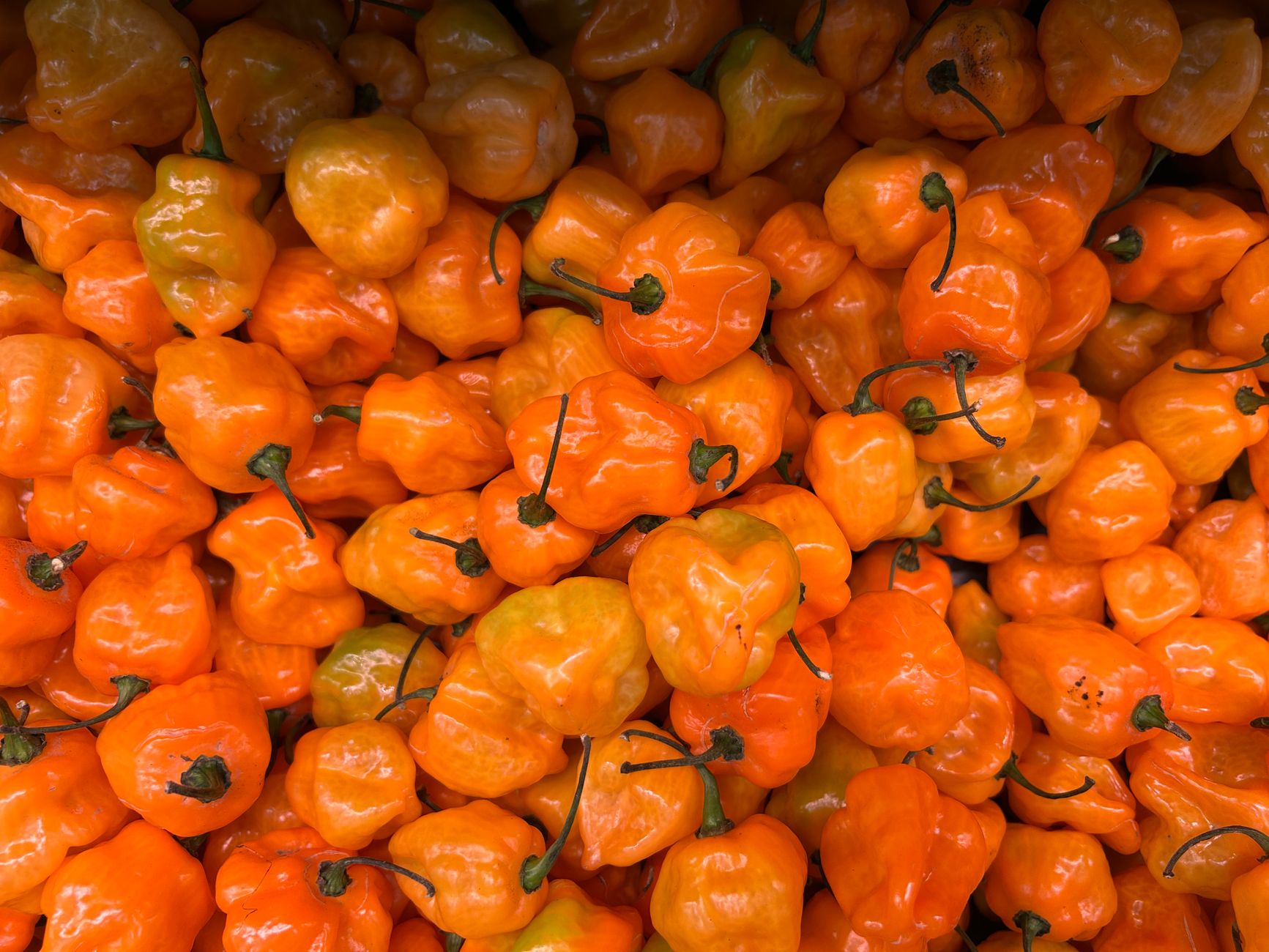
The habanero pepper is known for its striking heat and distinct flavor, making it a favorite among chili enthusiasts and chefs alike. With a Scoville Heat Unit (SHU) rating ranging from 100,000 to 350,000, habaneros pack a real punch in culinary applications. Understanding just how hot the habanero is can help you decide how to utilize it in your cooking or whether you should proceed with caution.
In this article, we will delve into what gives habaneros their heat, how to use them in your kitchen, and some serving ideas to get the most out of this fiery ingredient. From sauces to salsas, we’ll cover it all to ensure you feel comfortable incorporating habaneros into your dishes.
Is Habanero Hot?
Yes, habaneros are quite hot on the pepper scale, typically measuring between 100,000 and 350,000 SHU. To put that in perspective, jalapeños range from 2,500 to 8,000 SHU. This significant difference demonstrates that habaneros are exponentially hotter than most commonly used peppers.
Understanding Heat Levels
To appreciate the heat of a habanero, it is essential to understand the Scoville scale, which measures the pungency of chili peppers based on the concentration of capsaicin, the compound responsible for a pepper’s heat. Here’s a simple breakdown:
- Bell Pepper: 0 SHU (no heat)
- Banana Pepper: 0-500 SHU (very mild)
- Jalapeño: 2,500-8,000 SHU (moderate heat)
- Habanero: 100,000-350,000 SHU (high heat)
- Carolina Reaper: 1,400,000+ SHU (one of the hottest peppers in the world)
This scale allows you to gauge how habaneros compare to other chilies and decide how much heat you’re willing to incorporate into your dish.
Flavor Profile of Habaneros
Beyond their heat, habaneros offer a unique flavor that’s slightly fruity and citrusy. This flavor profile pairs well with a variety of dishes, adding depth and complexity when used properly. The combination of heat and flavor can elevate sauces, salsas, marinades, and cooked dishes if you know how to balance it with other ingredients.
Cooking with Habaneros
Incorporating habaneros into your cooking requires a careful approach to balance their heat with other flavors. Here are some practical applications:
1. Salsas
Habaneros are a fantastic addition to fresh salsas. Their fruity notes complement tomatoes, onions, and cilantro exceptionally well.
2. Sauces
Creating a hot sauce with habaneros can be simple. Combine blended habaneros with vinegar, garlic, and salt for a crafted flavor that’s excellent on meats or as a condiment.
3. Marinades
A marinade infused with habaneros will impart heat and flavor to meats and vegetables. Combine soy sauce, olive oil, chopped habaneros, and lime juice for a zesty marinade that works beautifully with chicken or shrimp.
4. Soups and Stews
Add habaneros to soups and stews to introduce a new level of warmth. Just remember to start small, allowing for an incremental increase in heat.
Serving Ideas
When it comes to serving dishes featuring habaneros, consider the following ideas to enhance the experience:
- Serve habanero salsa with tortilla chips as a spicy appetizer.
- Pair a habanero-infused sauce with grilled meats, providing a sweet heat contrast.
- Add thinly sliced habaneros to fresh salads for an exciting kick.
- Incorporate into savory breakfast dishes such as scrambled eggs or avocado toast.
How to Prepare Habaneros
When preparing habaneros, take caution, as their heat can linger on your hands and skin. Here are some steps to ensure a safe experience:
1. Use Gloves
Wearing gloves when handling habaneros is highly recommended. Even if you thoroughly wash your hands after, capsaicin can sometimes transfer to your face or eyes, causing discomfort.
2. Remove Seeds & Ribs
The seeds and inner ribs of the pepper contain the highest concentration of capsaicin; removing them can significantly reduce heat while allowing you to enjoy the fruitiness of the pepper.
3. Finely Dice or Blend
For raw applications like salsas, finely dicing the habaneros will help distribute their flavor evenly. For sauces, blending them with other ingredients will create an impactful but smooth consistency.
Substitutions and Variations
If you find habaneros too hot or prefer an alternative, there are several substitutions. However, keep in mind that these alternatives may alter the overall flavor and heat of your dish:
- Jalapeños: Mild heat (2,500-8,000 SHU). Use 2-3 times the amount.
- Fresno Peppers: Moderate heat (2,500-10,000 SHU). A good alternative with similar flavor.
- Scotch Bonnet Peppers: Comparable heat and noticeable fruitiness, can be an equal substitute.
- Red Chili Flakes: Use dried for heat without the fresh texture. Start with one-eighth of the amount and adjust as needed.
Potential Mistakes When Using Habaneros
Using habaneros can lead to some common cooking pitfalls if you’re not careful. Here are mistakes to avoid:
1. Overdoing It
Adding too many habaneros can overpower your dish. Start small, tasting as you go until you find the desired heat level.
2. Ignoring Balance
Spicy dishes benefit from balance; incorporate sweet, tangy, or creamy elements to mellow the heat.
3. Neglecting to Remove Seeds
If you’re looking for more flavor than heat, failing to remove seeds and ribs may lead to an unnecessarily fiery result.
Storage and Shelf Life of Habaneros
Proper storage of habaneros can significantly extend their shelf life, ensuring you can use them in various dishes:
Fresh Habaneros
Store fresh habaneros in a paper bag or perforated plastic bag in the refrigerator’s crisper drawer. They can last for up to two weeks. For longer storage, consider freezing them.
Frozen Habaneros
To freeze, wash and dry them thoroughly, then place them on a baking sheet until frozen before transferring to a sealed freezer bag. Frozen, they can last for up to six months.
Pickled Habaneros
Pickling is an excellent way to prolong the life of your habaneros. Combine vinegar, water, salt, and spices to create a pickling solution, and store them in a sealed jar in the fridge for up to six months.
Conclusion
The habanero is a versatile and flavorful pepper that can add warmth and complexity to numerous dishes. With its high Scoville heat rating, it’s important to approach this fiery ingredient with caution. Remember to start small, balance its heat with other flavors, and enjoy its unique fruity notes. By incorporating habaneros into your cooking repertoire, you can elevate your culinary creations to new, exciting levels!
For some delicious recipes, try making a refreshing habanero salsa or a sweet and spicy mango habanero sauce. Explore these options to see how habaneros can work wonders in your kitchen!