
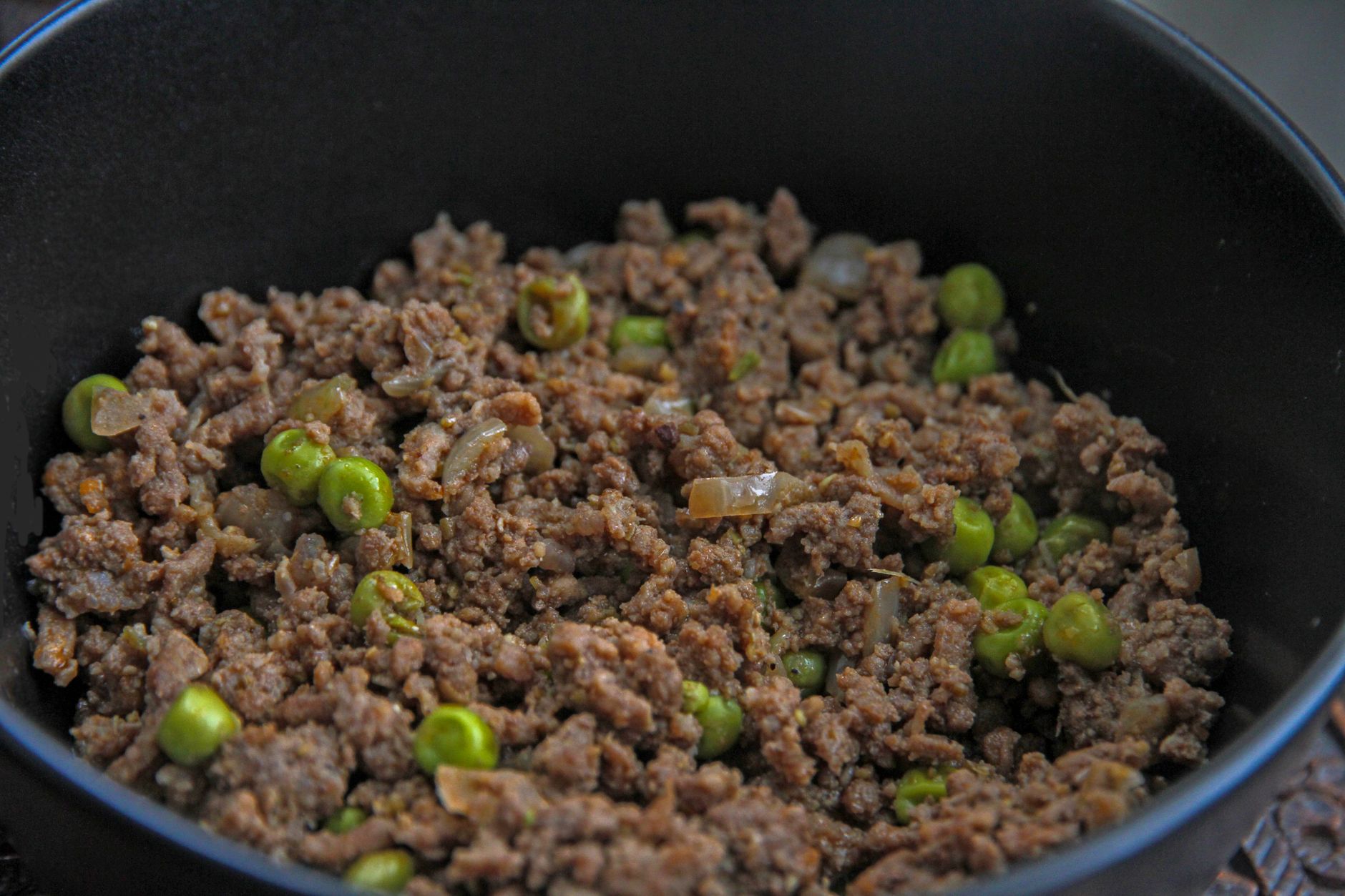
Ground beef is a versatile ingredient widely used in various dishes, from tacos to meatloaf. However, its nutritional value, particularly regarding protein content, often raises questions among consumers. This article will explore whether ground beef is a good protein source, examine its benefits, portions, and nutritional information, and provide additional tips for including it healthily in your diet.
Understanding protein sources and their nutritional values can help make informed dietary choices. With ground beef being a staple for many households, it’s worthwhile to look closely at its composition and how it fits into a balanced diet.
Is Ground Beef Good Protein?
Yes, ground beef is a good source of protein. It provides essential amino acids needed for muscle repair, immune function, and overall health. On average, a 3-ounce serving of cooked ground beef contains about 22 grams of protein, making it a filling option for meals.
Understanding Protein
Protein is one of the three macronutrients essential for the body, along with carbohydrates and fats. It plays a crucial role in various bodily functions, including:
- Building and repairing tissues
- Producing enzymes and hormones
- Supporting immune function
- Providing energy when carbohydrates are unavailable
Protein is made up of amino acids. Some amino acids are considered essential, meaning the body cannot produce them and must obtain them from food. Animal proteins, like those found in ground beef, typically contain all the essential amino acids, making them complete proteins.
Breakdown of Ground Beef’s Nutritional Value
Ground beef varies in fat content, which significantly influences its overall nutritional value. The most common types include:
- Ground beef 70% lean / 30% fat
- Ground beef 80% lean / 20% fat
- Ground beef 90% lean / 10% fat
- Ground beef 93% lean / 7% fat
Most nutritional information references cooked ground beef. Let’s take a closer look at the nutritional values you can expect from a 3-ounce serving of cooked ground beef:
| Type | Calories | Protein (grams) | Fat (grams) | Saturated Fat (grams) | Iron (%DV) |
|---|---|---|---|---|---|
| 70% lean | 250 | 21 | 20 | 8 | 15% |
| 80% lean | 215 | 22 | 12 | 5 | 15% |
| 90% lean | 182 | 24 | 9 | 3.5 | 15% |
| 93% lean | 164 | 24 | 7 | 3 | 15% |
Portion Sizes and Serving Suggestions
When incorporating ground beef into meals, it’s important to consider portion sizes. The following suggestions can help you determine appropriate serving sizes based on individual dietary needs:
- For a meal: 3-4 ounces of cooked ground beef is generally a good serving size for adults, which provides significant protein without excess fat.
- For children: Aim for 2-3 ounces per serving, adjusting based on age and activity level.
- Include a balance of vegetables, whole grains, or legumes to create a complete meal.
To maximize the health benefits of your meal, you can pair ground beef with nutritious sides like:
- Roasted vegetables
- Salads
- Whole grain rice or quinoa
- Legumes, such as beans or lentils
Benefits of Choosing Ground Beef
Ground beef provides several benefits, particularly in the context of protein intake and overall nutrition:
- High-Quality Protein: As discussed earlier, ground beef is a complete protein source that helps in muscle building and repair.
- Iron Content: Ground beef is rich in heme iron, which is more readily absorbed by the body compared to non-heme iron found in plant sources. This can be beneficial in preventing iron deficiency.
- Vitamin B12: Essential for nerve function and the production of DNA and red blood cells, ground beef is an excellent source of Vitamin B12.
- Diverse Culinary Uses: Ground beef can be used in various dishes, making it an accessible protein option for many cuisines.
Cooking Techniques for Ground Beef
How you prepare ground beef can affect its flavor, texture, and nutritional quality. Here are some popular cooking techniques:
1. Browning
Browning is the most common method for cooking ground beef. Here’s a simple technique:
- Heat a skillet over medium-high heat.
- Add ground beef to the skillet without overcrowding. Use a wooden spoon to break it apart.
- Cook until browned, about 6-8 minutes, stirring occasionally.
- Drain excess fat as needed.
2. Grilling
Grilling gives ground beef a distinct smoky flavor. Form patties and grill them over medium heat for about 4-5 minutes per side, or until they reach an internal temperature of 160°F (71°C).
3. Baking
Baking can be a healthier option as it allows excess fat to drip away. For meatballs or meatloaf, preheat the oven to 350°F (175°C) and bake for about 30-45 minutes, depending on the size and shape.
Common Mistakes When Cooking Ground Beef
Here are some common pitfalls to avoid when using ground beef:
- Overcooking: This can lead to dry, tough meat. Use a meat thermometer to check for an internal temperature of 160°F (71°C).
- Not draining fat: Leaving excess fat can make dishes greasy. Drain after browning when necessary.
- Using the wrong type: Choosing a higher fat percentage when a lean option is appropriate (or vice versa) can affect both flavor and nutrition.
Storage and Reheating Ground Beef
Proper storage and reheating of ground beef are essential to maintain its quality and safety:
- Storage: Refrigerate cooked ground beef within two hours in an airtight container. Consume within 3-4 days or freeze for up to 3 months.
- Reheating: When reheating, ensure it reaches an internal temperature of 165°F (74°C). Microwave or thoroughly heat on the stove.
Ground Beef Alternatives
If you are looking for alternatives to ground beef that provide similar protein content and culinary versatility, consider the following options:
- Ground Turkey: A leaner option that provides similar protein content.
- Ground Chicken: Offers lower fat content while maintaining flavor.
- Plant-Based Alternatives: Products like lentils, black beans, or store-bought meat substitutes can provide protein while being lower in saturated fat.
How to Incorporate Ground Beef into Meals
Here are some ideas for including ground beef in your diet without compromising nutritional value:
- Tacos: Use lean ground beef mixed with spices and serve in corn or whole wheat tortillas with plenty of fresh vegetables.
- Bolognese Sauce: Slowly simmer ground beef with tomatoes, garlic, and herbs. Serve over whole grain pasta.
- Stuffed Peppers: Mix cooked ground beef with quinoa and vegetables to fill bell peppers for a colorful meal.
- Meatballs: Prepare healthy meatballs with ground beef, oats, and herbs to serve with marinara sauce and whole grain pasta.
Conclusion
Ground beef can be a valuable source of protein when included in a balanced diet. Understanding its nutritional profile and how to cook it properly can help you enjoy its benefits while minimizing potential downsides like excess fat intake. The key is to choose leaner cuts, monitor portion sizes, and pair ground beef with a variety of vegetables and healthier grains.
For more information on the storage of ground beef, check out our guide on how long ground beef is good for in the fridge. If you’re curious about its protein content, learn more in our article on how much protein is in ground beef.