
Many individuals exploring dietary options frequently encounter the concepts of gluten-free and low-carb. While both dietary choices can be beneficial for specific needs, it’s essential to understand how they interconnect. This article will explore whether gluten-free foods are inherently low-carb while providing insights into ingredients and cooking techniques to facilitate meal planning.
With the rise of gluten-free products in the market, it’s tempting to assume that these foods are automatically low in carbohydrates. However, this is not always the case. Understanding the differences between gluten-free and low-carb foods allows for better choices when it comes to meeting dietary requirements.
Is Gluten Free Low Carb?
In general, gluten-free does not equate to low-carb. Gluten is a protein found in wheat, barley, and rye; thus, gluten-free foods eliminate these sources. However, many gluten-free options can still be high in carbohydrates, particularly those made from rice, potatoes, and corn.
Low-carb diets, on the other hand, focus on reducing carbohydrate intake to promote weight loss or manage blood sugar levels. Foods such as fruits, starchy vegetables, grains, and sugar-laden products are limited or avoided entirely. Understanding the composition of gluten-free foods can help in making informed choices.
What Are Common Gluten-Free Ingredients?
Exploring the array of gluten-free ingredients is crucial for anyone following this diet. Below is a list of some common gluten-free ingredients along with their carbohydrate content:
- Rice flour: High in carbohydrates.
- Almond flour: Low in carbohydrates, but high in fat.
- Coconut flour: Low in carbohydrates and high in fiber.
- Oats: Gluten-free options exist, but oats are generally higher in carbohydrates.
- Legumes: Beans and lentils are gluten-free but contain moderate carbohydrates.
- Potato starch: Very high in carbohydrates.
- Quinoa: Gluten-free, but relatively high in carbohydrates.
Investigating Gluten-Free Products
To truly understand the carbohydrate content in gluten-free foods, one must look at commercial gluten-free products. These often include gluten-free breads, pastas, and snacks which can contain various flours and starches. Here’s a breakdown of some examples:
- Gluten-Free Bread: Often made from rice flour or tapioca starch, gluten-free bread can contain as many carbs as traditional bread.
- Gluten-Free Pasta: Similar to bread, gluten-free pasta is often made from rice or corn, leading to higher carbohydrate levels.
- Snack Foods: Gluten-free crackers and chips can be high in carbs, often using potato flour or tapioca.
How to Choose Low-Carb, Gluten-Free Options
When selecting gluten-free foods, a few strategies can help you find lower-carb options:
- Read Labels: Always check the nutritional information on packaged foods to gather details on carbohydrate content.
- Focus on Whole Foods: Opt for whole, unprocessed foods such as fresh fruits, vegetables, nuts, seeds, and meat, which are usually lower in carbohydrates.
- Explore Alternative Flours: Consider using nut flours, coconut flour, or other low-carb flour alternatives in your cooking.
Gluten-Free, Low-Carb Substitutions
Here are low-carb substitutions you can use for common gluten-containing foods:
- Gluten-free bread: Use lettuce wraps or large mushrooms as substitutes.
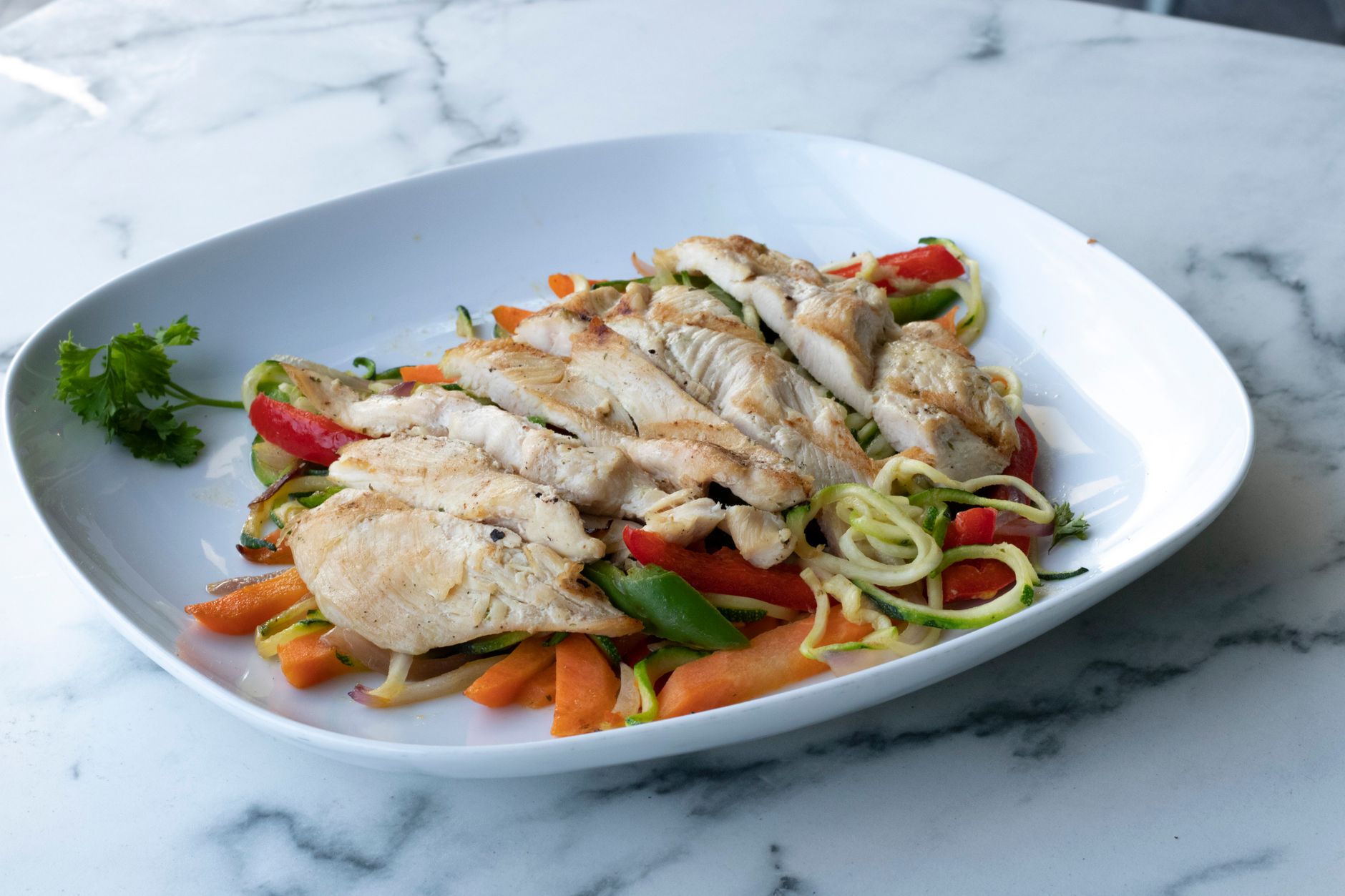
- Pasta: Use spiralized zucchini or spaghetti squash instead.
- Pizza crust: Consider cauliflower crust as a low-carb option.
Practical Meal Planning for Gluten-Free, Low-Carb Diets
Creating a meal plan that fits both gluten-free and low-carb needs requires some planning. Here’s a sample meal plan for a day:
Breakfast:
Scrambled eggs with spinach and feta cheese. Serve with avocado slices.
Lunch:
Grilled chicken salad with mixed greens, cucumbers, olive oil, and lemon dressing. Add nuts for extra crunch.
Dinner:
Zucchini noodles topped with a homemade marinara sauce made from fresh tomatoes, garlic, and herbs. Serve with grilled shrimp or chicken.
Snack Options:
Celery sticks with almond butter or a handful of walnuts.
Cooking Techniques for Low-Carb, Gluten-Free Meals
Certain cooking methods can enhance the flavor and texture of your meals while keeping them gluten-free and low-carb. Here are a few techniques:
- Roasting: Roasting vegetables brings out their natural sweetness and enhances flavor.
- Grilling: Grilling meats and vegetables adds a nice char and can reduce the need for high-carb sauces.
- Spiralizing: Creating vegetable noodles can not only add variety but also give a satisfying texture without the carbs of pasta.
Common Mistakes to Avoid
Here are some pitfalls to watch out for when trying to maintain a gluten-free, low-carb lifestyle:
- Assuming All Gluten-Free Foods Are Healthy: Many gluten-free foods are processed and can be high in sugar and carbohydrates.
- Not Reading Labels Carefully: Some food items may have hidden sugars or carb content, even if they are gluten-free.
- Ignoring Portion Sizes: Just because a food is gluten-free doesn’t mean you should consume it in excess without consideration of carbs.
Making Gluten-Free Baking Work
For those who enjoy baking, gluten-free baking requires some adjustments. Understanding the properties of different gluten-free flours can lead to better results. Here are tips for successful gluten-free baking:
- Blending Flours: Mixing different gluten-free flours can yield better textures and flavors.
- Using Binders: Ingredients like xanthan gum, psyllium husk, or chia seeds can help mimic the structure gluten provides.
- Adjusting Liquids: Gluten-free flours often absorb more moisture, so be prepared to adjust the liquid quantities in your recipes.
Understanding Carbohydrate Counts
When following a low-carb diet, tracking carb intake is key to achieving your dietary goals. Many resources, such as nutrition apps or printed guides, can help monitor daily carbohydrate consumption. Here’s a basic guide on how to categorize and count carbs:
Net Carbs vs. Total Carbs:
Net carbs are calculated by subtracting fiber content from total carbohydrates. Since fiber is not digested, this calculation is particularly useful for those on low-carb diets. Understanding this distinction helps when choosing gluten-free foods.
Popular Gluten-Free, Low-Carb Recipes
Here are simple recipes that fit within both dietary classifications, perfect for your next meal:
Gluten-Free Almond Flour Pancakes
These pancakes are light and fluffy, making them a wonderful breakfast option.
- 1 cup almond flour
- 2 large eggs
- 1/4 cup unsweetened almond milk
- 1 teaspoon baking powder
- 1 teaspoon vanilla extract
- In a bowl, combine all ingredients.
- Heat a non-stick skillet over medium heat and pour in the batter.
- Cook until bubbles form, then flip and cook until both sides are golden brown.
Cauliflower Rice Stir-Fry
A simple, flavorful dish that offers a low-carb alternative to traditional fried rice.
- 1 head of cauliflower, riced
- 2 tablespoons soy sauce or coconut aminos
- 1 cup mixed vegetables (carrots, peas, bell peppers)
- 1 tablespoon olive oil
- 2 eggs, beaten
- In a skillet, heat olive oil and add mixed vegetables. Stir-fry for a few minutes until soft.
- Add riced cauliflower and stir-fry for another 5 minutes.
- Make a well in the center and pour in beaten eggs. Scramble until cooked through, then mix together.
- Add soy sauce or coconut aminos and stir to combine.
Storage and Reheating Tips
Certain gluten-free, low-carb meals can be made ahead and stored for later use. Here are some recommendations for proper storage and reheating:
- Let meals cool down to room temperature before storing in airtight containers.
- Label containers with the date for easy tracking.
- Reheat meals in the microwave or stovetop; make sure they reach a safe internal temperature before consuming.
In summary, gluten-free and low-carb can intersect, but they are not synonymous. Understanding ingredients, making careful selections, and exploring various cooking techniques can drastically improve your dietary journey. With mindful meal planning and cooking, integrating these two dietary preferences can lead to an enjoyable and healthy lifestyle.
For more delicious food ideas, consider checking out these recipes: a gluten-free gnocchi recipe or a gluten-free waffle recipe that can fit perfectly into a low-carb lifestyle.