
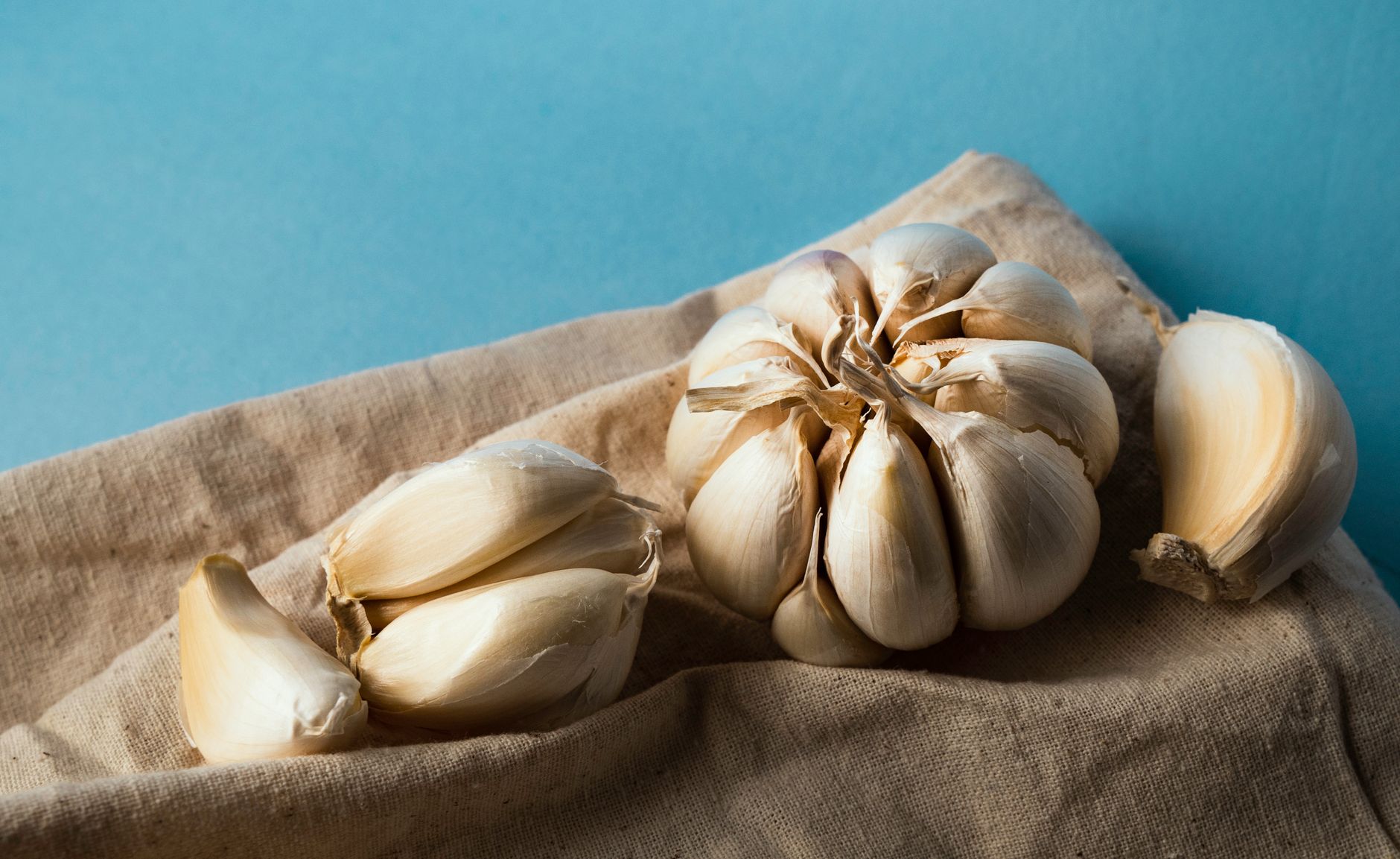
Garlic is a revered ingredient in many cuisines around the world, celebrated not only for its robust flavor but also for its potential health benefits. With roots dating back thousands of years, garlic has been used in various forms, from seasoning soups and stews to acting as a natural remedy. In this article, we’ll explore the health benefits of garlic, its nutritional profile, and how to incorporate it into your daily diet.
Understanding whether garlic is good for your health requires looking at the science behind its compounds, the various ways to consume it, and how much is beneficial. This comprehensive guide aims to shed light on garlic’s properties and offer practical tips for enjoying it safely and deliciously.
Is Garlic Good for Your Health?
Yes, garlic is widely considered to be good for your health. It contains compounds that have been associated with numerous health benefits, including antibacterial, antiviral, and anti-inflammatory properties. Additionally, garlic is low in calories and high in essential nutrients, making it a valuable dietary addition.
Nutritional Profile of Garlic
Garlic is not only flavorful but also highly nutritious. Here are the essential vitamins and minerals that garlic offers:
- Vitamin C
- Vitamin B6
- Manganese
- Calcium
- Potassium
- Selenium
A typical clove of raw garlic contains approximately:
- 4 calories
- 1 gram of carbohydrates
- 0.2 grams of protein
The real value of garlic lies in its bioactive compounds, namely allicin, which is released when garlic is crushed or chopped. Allicin is thought to be responsible for many of garlic’s health benefits.
Health Benefits of Garlic
1. Boosting the Immune System
Garlic has been shown to enhance the immune system, thanks to its ability to stimulate white blood cells. Studies suggest that regular consumption of garlic may decrease the incidence and severity of illnesses, such as the common cold and flu. The sulfur compounds in garlic are particularly potent in fighting off infections.
2. Cardiovascular Health
Several studies indicate that garlic may promote heart health by reducing cholesterol levels and blood pressure. The compounds in garlic can help lower total and LDL (bad) cholesterol, while also preventing platelets from sticking together, which can lead to blood clots.
3. Antioxidant Properties
Garlic is rich in antioxidants, which help combat oxidative stress and reduce the risk of chronic diseases. Antioxidants protect cells from damage caused by free radicals, potentially lowering the risk of conditions such as heart disease and cancer.
4. Anti-Inflammatory Effects
The anti-inflammatory properties of garlic may help reduce inflammation in the body, which can be beneficial for individuals with inflammatory conditions like arthritis. Consuming garlic may alleviate symptoms and improve overall quality of life for these individuals.
5. Potential Cancer Prevention
Some research suggests that garlic may have cancer-fighting properties. The organosulfur compounds in garlic have shown promise in inhibiting cancer cell growth, particularly in cancers of the stomach, colon, and esophagus. Regular garlic consumption may contribute to a lower risk of developing certain types of cancer.
How to Incorporate Garlic into Your Diet
Garlic can be used in numerous culinary applications, making it easy to include in a variety of dishes. Here are some practical ways to add garlic to your meals:
1. Roasting Garlic
Roasted garlic transforms the strong, pungent flavor into a sweet, creamy spread. To roast garlic, simply:
- Preheat the oven to 400°F (200°C).
- Slice the top off a head of garlic to expose the cloves.
- Drizzle with olive oil and wrap in aluminum foil.
- Roast for about 30-40 minutes, until the cloves are soft.
Roasted garlic can be spread on bread, added to mashed potatoes, or blended into soups for enhanced flavor.
2. Minced or Chopped Raw Garlic
Using raw garlic in dressings or dips can impart a fresh, zesty flavor. Consider adding minced garlic to:
- Salad dressings
- Guacamole
- Salsa
Just be cautious with quantities, as raw garlic can be quite potent.
3. Garlic in Cooking
Garlic can be sautéed to release its natural oils and flavor, providing a great base for soups, stews, and stir-fries. To cook garlic:
- Heat oil in a pan over medium heat.
- Add minced or sliced garlic, cooking for about 30 seconds, making sure not to burn it.
- Add your other ingredients, allowing the garlic flavor to blend with them.
Recommended Portions of Garlic
While garlic can offer health benefits, moderation is key. Experts suggest consuming about one to two garlic cloves per day to reap its benefits without overwhelming the digestive system. Keep in mind that individuals may have different tolerances to garlic.
Common Garlic Varieties
Garlic comes in several varieties, each with its unique flavor profile. Here are a few common types:
- Hardneck Garlic: Has a strong flavor and is known for its complex taste. Ideal for roasting.
- Softneck Garlic: Milder and more versatile, commonly found in supermarkets.
- Elephant Garlic: Not true garlic but a type of leek, much larger with a milder flavor.
Choosing the right variety depends on the desired flavor and how you plan to use the garlic.
Storing Garlic for Maximum Freshness
Proper storage of garlic can prolong its shelf life and preserve its health benefits. Here are some tips:
- Store whole bulbs in a cool, dry place away from direct sunlight.
- Once broken, use individual cloves within ten days for optimal flavor.
- Refrigerate peeled or chopped garlic in an airtight container for up to a week.
- For long-term storage, consider freezing minced garlic in an ice cube tray.
Garlic Supplements: Are They Necessary?
Some individuals choose to take garlic supplements for a concentrated source of its benefits. However, most experts suggest that it’s best to obtain nutrients from whole foods rather than supplements. If considering garlic supplements, consulting a healthcare professional is advisable.
Potential Risks and Considerations
Though garlic is generally safe for most people, there are a few considerations to keep in mind:
- Garlic can cause digestive upset for some, especially when consumed raw.
- Individuals on blood-thinning medications should consult their doctor before increasing garlic intake.
- Garlic may interact with certain medications, including HIV medications and certain antibiotics.
Garlic Recipes to Try
Now that you understand the health benefits and uses of garlic, here are two delicious recipes to incorporate garlic into your meals.
Garlic Mayo
This creamy garlic mayonnaise is perfect for sandwiches or as a dip.
Yield: About 1 cup
Preparation time: 10 minutes
Ingredients:
- 1 cup mayonnaise
- 2-3 cloves of garlic, minced
- 1 tablespoon lemon juice
- Salt and pepper to taste
Method:
- In a mixing bowl, combine mayonnaise, minced garlic, and lemon juice.
- Mix until well blended.
- Add salt and pepper to taste.
- Serve immediately, or refrigerate for up to a week.
Chipotle Aioli
This spicy garlic dip is great for fries or grilled vegetables.
Yield: About 1 cup
Preparation time: 10 minutes
Ingredients:
- 1 cup mayonnaise
- 2 cloves garlic, minced
- 1-2 chipotle peppers in adobo sauce, minced
- 1 tablespoon lime juice
- Salt to taste
Method:
- Combine mayonnaise, minced garlic, chopped chipotle peppers, and lime juice in a bowl.
- Mix well, adjusting salt and lime to taste.
- Serve immediately or store in the fridge for up to a week.
Conclusion
Garlic is not just a flavorful ingredient; it’s also a potent ally for your health. With its rich array of nutrients and potential health benefits, it’s easy to see why incorporating garlic into your diet is a wise choice. Start experimenting with fresh garlic in your cooking and enjoy the flavors and health benefits it adds to your meals.
For delightful recipes using garlic, explore our Garlic Mayo Recipe or spice it up with our Chipotle Aioli Recipe. Happy cooking!