
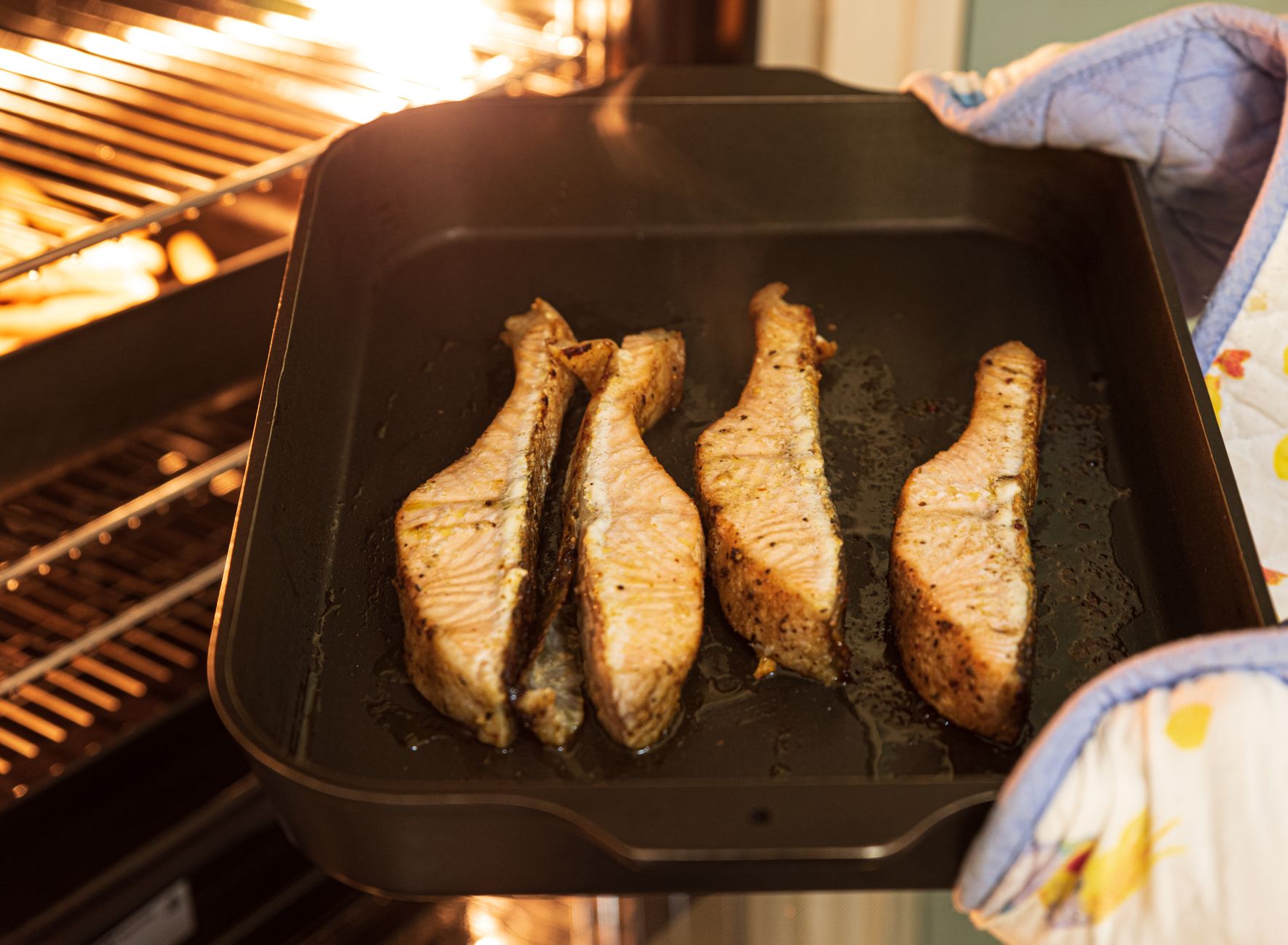
Baking fish is a healthy and straightforward method to prepare a variety of seafood dishes. Knowing the right baking time is crucial to achieving perfectly cooked fish that is flaky, tender, and safe to eat. In this guide, we’ll explore how long it takes to bake fish while discussing different factors that affect cooking time.
Whether you are a novice cook or an experienced chef, understanding baking fish effectively can elevate your meal planning and preparation skills. By the end of this article, you will be equipped with timing tips, temperature guidance, and doneness cues to ensure your baked fish turns out beautifully every time.
How Long Does It Take to Bake Fish?
The average baking time for fish typically ranges from 10 to 20 minutes per inch of fish thickness at a temperature of 375°F to 450°F. However, this can vary based on the type of fish, its size, and the oven’s accuracy. Here’s a deeper look into those factors:
Factors Influencing Baking Time
Type of Fish
Different types of fish require varying baking times due to their weight, thickness, and moisture content. For example, lean fish like cod or tilapia usually cook faster compared to oilier fish like salmon or mackerel. Understanding these differences can help provide accurate cooking times.
Thickness
The thickness of the fish fillet or whole fish can significantly impact cooking duration. A thicker piece will generally take longer to cook through than a thinner one, making it crucial to measure the fillet’s thickness for precise timing.
Oven Temperature
Oven temperature is another vital consideration. Higher temperatures can cook fish more quickly but may also lead to drying out if not carefully monitored. Generally, a temperature between 375°F to 425°F is ideal for most types of fish, balancing cooking speed while retaining moisture.
Fish Preparation Method
How you prepare the fish can also affect its cooking time. For example, breading or marinating the fish might give it an additional layer that requires slightly more cooking time, while wrapping it in foil can help retain moisture and cook it faster.
General Baking Time Guidelines for Common Fish Types
Below is a general baking time chart for some of the most popular types of fish. It’s essential to use these times as a general guide and monitor doneness closely.
| Type of Fish | Temperature (°F) | Baking Time |
|---|---|---|
| Tilapia | 375 – 400 | 10 – 15 minutes |
| Cod | 375 – 400 | 12 – 15 minutes |
| Salmon | 375 – 425 | 15 – 20 minutes |
| Haddock | 375 – 400 | 12 – 16 minutes |
| Mackerel | 375 – 400 | 15 – 20 minutes |
| Swordfish | 375 – 425 | 15 – 20 minutes |
| Trout | 375 – 400 | 12 – 15 minutes |
Essential Equipment for Baking Fish
Before you begin baking, ensure you have the right equipment on hand:
- Baking sheet or casserole dish
- Aluminum foil (optional, for steaming)
- Parchment paper (optional, for easier cleanup)
- Fish spatula for flipping or serving
- Meat thermometer for checking doneness
How to Bake Fish: Step-by-Step Guide
Follow this step-by-step guide to bake fish correctly:
- Preheat the Oven: Set your oven to the desired temperature, typically between 375°F and 450°F.
- Prepare the Fish: Pat the fish dry with paper towels. This step is essential for achieving a nice sear and preventing steaming.
- Season the Fish: Lightly season with salt, pepper, and your choice of herbs or spices. Consider using lemon juice or olive oil for added flavor.
- Choose Your Cooking Method: Place the fish on a baking sheet lined with parchment paper or in a greased casserole dish. You can also wrap the fish in foil for a steaming effect.
- Bake: Place the fish in the preheated oven and bake according to the times outlined earlier. Check for doneness periodically.
- Check Doneness: Use a meat thermometer to ensure the internal temperature has reached 145°F. Alternatively, you can gently flake the fish with a fork to see if it separates easily.
- Rest and Serve: Allow the fish to rest for a few minutes before serving to help redistribute the juices. Serve with your favorite sides.
Tips for Perfectly Baked Fish
1. Use a Meat Thermometer
Accurate temperature measurement will help you avoid overcooking or undercooking your fish. Aim for an internal temperature of 145°F, where the flesh should be opaque and flake easily.
2. Keep It Moist
Fish can dry out quickly, so consider covering it with foil during the first half of the cooking process to create a steaming effect, then uncover it for the last few minutes to allow for browning.
3. Avoid Overcrowding
Ensure there’s adequate space between the pieces of fish on the baking tray. Overcrowding can lead to uneven cooking and steaming instead of baking.
4. Let it Rest
After removing the fish from the oven, let it rest for a few minutes. This pause helps retain moisture and enhances the flavor.
Common Mistakes to Avoid When Baking Fish
1. Not Preheating the Oven
Skipping the preheating step can lead to uneven cooking. Always allow your oven to reach the desired temperature before placing your fish inside.
2. Overcooking
Fish cooks rapidly, and even a few extra minutes can make a significant difference. Monitor closely during the last few minutes to ensure it doesn’t dry out.
3. Using the Wrong Kind of Bakeware
Opt for a non-stick baking sheet or a baking dish designed for seafood. Avoid glass dishes unless they are labeled oven-safe, as they may shatter at high temperatures.
Serving Suggestions
Baked fish is extremely versatile and pairs well with a variety of sides and sauces. Here are some serving suggestions:
- Serve with a side of steamed vegetables like asparagus, broccoli, or carrots.
- Accompany with a refreshing quinoa or rice salad.
- Drizzle with a lemon-butter sauce or garlic sauce for added richness.
- Pair with fresh herbs, such as dill, parsley, or cilantro, for an aromatic touch.
- Include whole grain bread or a fresh garden salad for a complete meal.
Make-Ahead and Storage Tips
If you’re meal prepping or want to make dinner ahead of time, consider these tips:
Make-Ahead
You can season fish and store it in the refrigerator for up to 24 hours before baking. This method allows the flavors to penetrate without impacting quality.
Storage
Cooked fish can be stored in an airtight container in the refrigerator for up to three days. For longer storage, it’s best to freeze it, which can maintain its quality for up to three months.
Reheating Tips
When reheating, use an oven rather than a microwave when possible, as this will help retain moisture and texture. Reheat at a low temperature around 325°F for about 10 minutes or until heated through.
Understanding Fish Doneness
Knowing how to tell when your fish is done is just as important as cooking it for the right amount of time. Here are some ways to check doneness beyond using a meat thermometer:
- The flesh should appear opaque and white, pulling away easily from the bone if applicable.
- Flake with a fork; properly cooked fish will separate easily into flakes.
- Check it visually; it should look firm and should not be translucent.
Recommended Fish Recipes
For those looking to expand their baked fish repertoire, consider exploring these recipes:
Mastering the art of baking fish involves understanding time, temperature, and technique. By paying attention to thickness, type, and preparation methods, you can ensure perfectly cooked fish each time you bake. Remember the golden rule: keep an eye on that timer, and don’t hesitate to check for doneness!
For more culinary insights and delicious recipes, explore related recipes, cooking tips, or food guides to elevate your cooking experience. Enjoy your journey in the kitchen!