
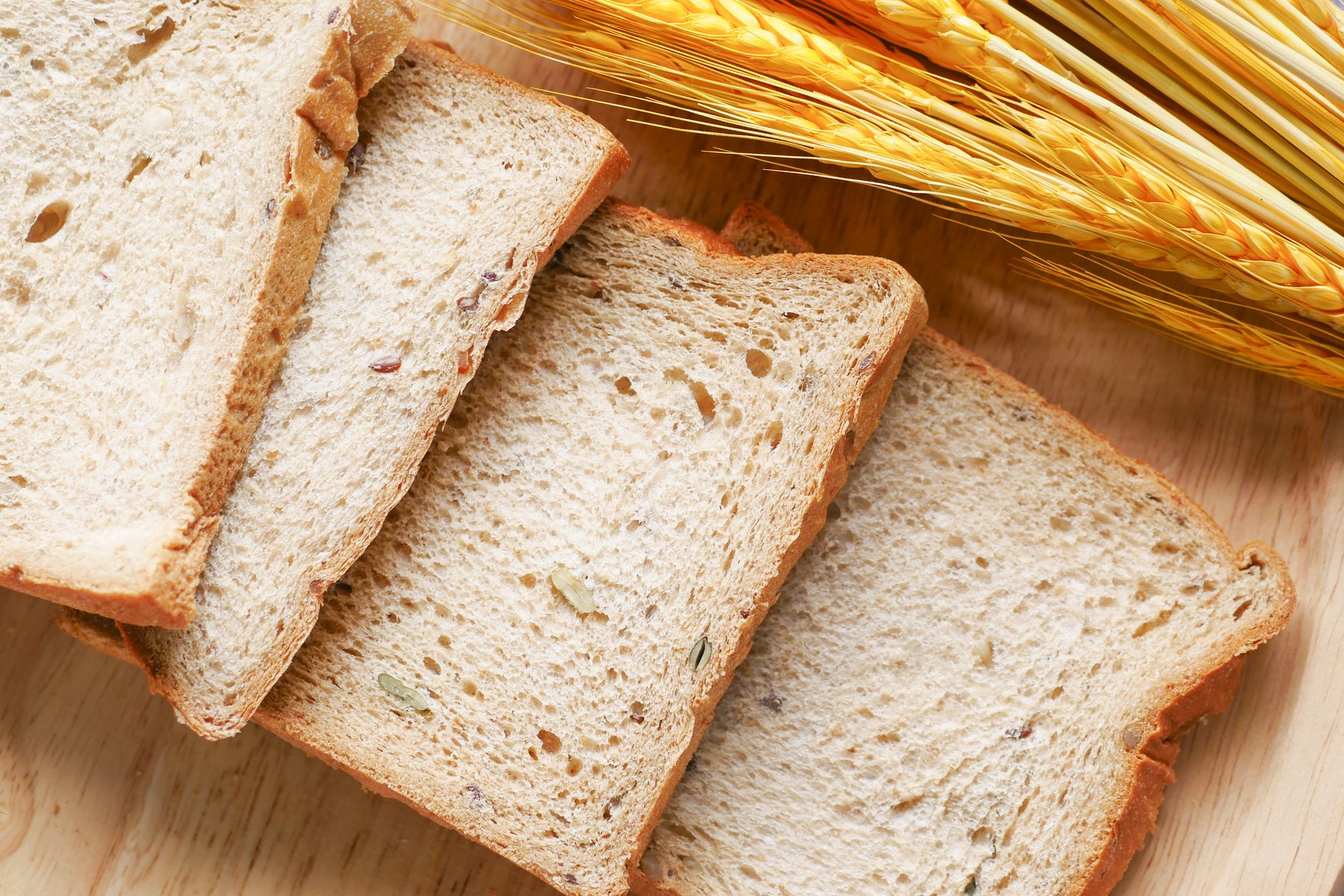
Ezekiel bread, made from sprouted grains and legumes, has gained popularity for its nutritional profile and unique flavors. Many people with digestive sensitivities are curious about whether this bread is low FODMAP, as it can be a great alternative to traditional wheat bread. Understanding its FODMAP content is essential for those needing to manage their dietary intake effectively.
This article will delve into the ingredients of Ezekiel bread, examine whether it is low FODMAP compliant, compare it with other bread alternatives, and provide serving tips for incorporating it into meals while ensuring digestive comfort.
Is Ezekiel Bread Low FODMAP?
The question of whether Ezekiel bread is low FODMAP can be answered with a nuanced understanding of its ingredients. While traditional wheat-based breads tend to be high in certain FODMAPs, the sprouted grains in Ezekiel bread may be easier to digest for some individuals. However, it’s crucial to consider the specific composition of the bread and individual tolerance levels.
What is Ezekiel Bread?
Ezekiel bread is made from a blend of different sprouted grains and legumes, commonly including wheat, barley, lentils, millet, and spelt. Sprouting grains and legumes effectively increases their nutrient availability and can enhance their digestibility.
The unique characteristic of Ezekiel bread lies in its wholesome ingredients. Rather than relying solely on refined flours, it uses whole, sprouted grains. This method can lead to a better nutritional profile when compared to standard bread options, as it often contains more protein, fiber, and essential vitamins.
Nutritional Profile of Ezekiel Bread
The nutritional content of Ezekiel bread can vary based on the brand and the specific formulation, but generally, it tends to be nutrient-dense. Here are some of the typical nutritional components found in a slice of Ezekiel bread:
- Calories: Approximately 80-100
- Protein: 4-6 grams
- Carbohydrates: 15-20 grams
- Dietary Fiber: 3 grams
- Fat: 1-2 grams
- Vitamins & Minerals: Includes folate, iron, magnesium, and zinc
Understanding FODMAPs
FODMAPs are short-chain carbohydrates that some individuals may have difficulty digesting, leading to gastrointestinal discomfort or symptoms. They involve a group of fermentable carbohydrates that can range in types, including:
- Fructose: Found in fruits, some vegetables, and honey.
- Lactose: Found in dairy products.
- Fructans: Found in wheat, garlic, onions, and certain vegetables.
- Galacto-oligosaccharides (GOS): Found in legumes, lentils, and beans.
- Sorbitol and Mannitol: Sugar alcohols found in some fruits and vegetables.
For those who follow a low FODMAP diet, understanding the FODMAP content of foods, including bread, is essential for managing symptoms related to irritable bowel syndrome (IBS) and similar digestive issues.
Ezekiel Bread and FODMAPs
When it comes to Ezekiel bread specifically, it is a mixed bag in terms of its FODMAP content. Here’s how its primary ingredients measure up:
Primary Ingredients and Their FODMAP Content
- Wheat: Generally high in fructans, which are considered high FODMAP.
- Barley: Contains gluten and is also high in fructans.
- Lentils: High in GOS, making them a high FODMAP ingredient.
- Millet: Considered low FODMAP and usually safe for individuals on a strict diet.
- Spelt: Sometimes easier to digest than wheat due to its lower levels of fructans in certain forms, such as in sourdough bread.
Because Ezekiel bread contains ingredients like wheat and lentils, it is not strictly a low FODMAP food. That said, many find that sprouted grains can sometimes be better tolerated, but individual responses can vary.
Individual Tolerance Levels
While some individuals with IBS or other digestive concerns may find Ezekiel bread triggers their symptoms, others may tolerate it well. The key to including Ezekiel bread in a low FODMAP diet lies in tracking individual responses to the food. It’s advisable to consider portion sizes and personal tolerance levels when trying out this type of bread.
Alternatives to Ezekiel Bread
If Ezekiel bread does not suit your dietary needs, there are several low FODMAP bread options available. Here are a few alternatives that can fit into a low FODMAP lifestyle:
- Gluten-Free Bread: Made from ingredients like rice flour, almond flour, or quinoa, usually low in FODMAPs.
- Spelt Bread: Depending on how it’s made, some spelt breads can be lower in FODMAPs, especially when made with sourdough.
- Potato Bread: Often made with potato flour, this is typically low FODMAP as well.
How to Incorporate Ezekiel Bread into Your Diet
If you choose to try Ezekiel bread, keep in mind portion control and balance with other low FODMAP foods. Here are some serving tips to consider:
Serving Suggestions
- Toast it: Toast slices and top with a low FODMAP spread like peanut butter or almond butter, and thinly sliced banana.
- Sandwiches: Use slices to make sandwiches filled with low FODMAP proteins like turkey or chicken with leaf lettuce and grated carrots.
- Soup Companion: Serve alongside low FODMAP soups, such as tomato or pumpkin soup.
- Breakfast Base: Use as a base for breakfast toppings like scrambled eggs and spinach.
Storage Tips
To maintain freshness while enjoying Ezekiel bread, here are some beneficial storage tips:
- Keep it in the refrigerator if you’re not consuming it within a few days, as it has a shorter shelf life than conventional bread.
- It can also be frozen for longer storage; simply slice before freezing to make future servings easier to access.
Common Mistakes When Eating Ezekiel Bread
Here are some common mistakes that individuals might make when incorporating Ezekiel bread into their diet:
- Overconsumption: Eating too large a portion can lead to digestive discomfort regardless of bread type.
- Ignoring Symptoms: Not keeping track of how the bread affects your body can lead to setbacks in managing a low FODMAP diet.
Seeking Alternatives in Baking
Homemade solutions are also an excellent option for those who wish to have better control over their ingredients. If you enjoy baking, consider trying an Ezekiel bread recipe with modifications to avoid high FODMAP ingredients.
Substitutions in Baking
When preparing homemade bread, here are some potential ingredient substitutions:
- Replace wheat flour with a gluten-free flour blend.
- Use less lentil flour or replace it with a low FODMAP option like oat flour.
- Incorporate seeds like sunflower or pumpkin seeds for additional flavor and nutrition without increasing FODMAP levels.
Conclusion
In summary, while Ezekiel bread is nutritious and has unique benefits, its combination of ingredients makes it a higher FODMAP option overall. It might be suitable for certain individuals; others may need to find alternatives. If you choose to try it, being mindful of portion sizes and tracking your body’s response can help in making the best choices for your dietary needs.
Looking for more ways to explore healthy breads? Check out our guides on making Einkorn bread for a low FODMAP option. Explore the many culinary possibilities and learn how to choose the best ingredients for your meals.