
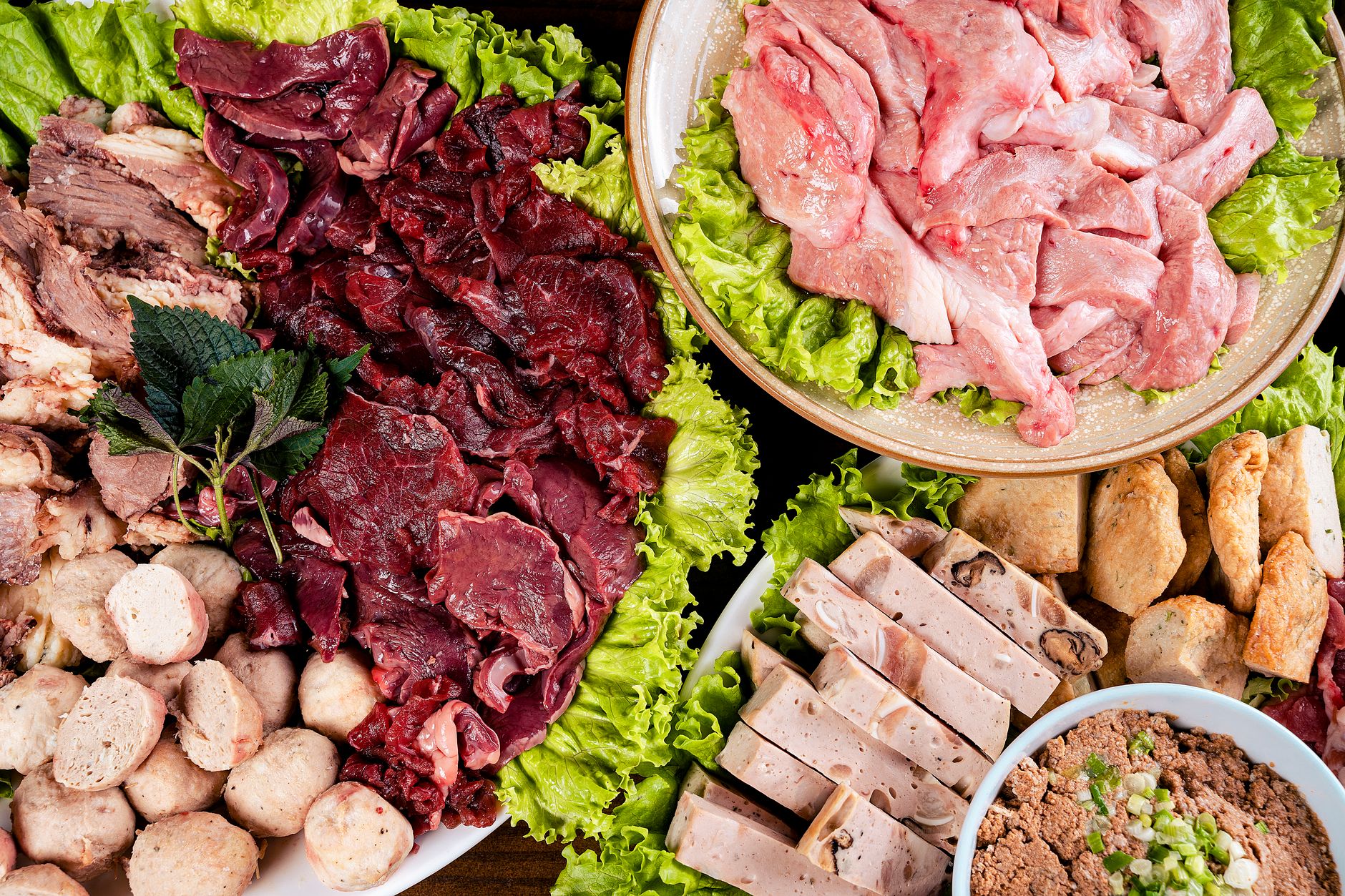
As culinary trends and dietary preferences evolve, many people are exploring the world of consuming raw meat. From tartare to carpaccio, enjoying meat in its uncooked form often sparks curiosity and debate on its health implications. This article delves into whether eating raw meat is healthy, examining potential benefits, risks, and essential safety measures.
Despite its popularity in certain culinary circles, raw meat consumption is not without controversy. While it can offer unique flavors and textures, it’s important to consider nutritional value and safety when deciding to incorporate raw meat into your diet.
Is Eating Raw Meat Healthy?
Eating raw meat can have health benefits, such as higher enzyme content and potential nutrient availability. However, there are significant risks associated with foodborne illnesses caused by harmful bacteria and parasites. To enjoy raw meat safely, it’s essential to source high-quality products, adhere to proper handling guidelines, and be aware of your own health conditions.
Understanding the Nutritional Profile
Raw meat is rich in several essential nutrients, making it a desirable component of certain diets. Here’s a closer look at what raw meat can offer nutritionally:
- High-Quality Protein: Meat is an excellent protein source, essential for muscle repair, immune function, and overall bodily maintenance.
- Vitamins and Minerals: Raw meat contains vital nutrients such as iron, zinc, vitamin B12, and selenium, crucial for various bodily functions.
- Enzymes: Raw meat retains natural enzymes that may assist in digestion.
Potential Benefits of Eating Raw Meat
Although raw meat consumption comes with risks, advocates note several potential benefits worth mentioning:
1. Enhanced Flavor and Texture
One of the main attractions to raw meat dishes is their unique flavor and texture. Dishes like steak tartare offer a tender, rich taste that can be lost during cooking.
2. Nutrient Density
Cooking can lead to the loss of certain nutrients. For example, water-soluble vitamins might degrade under high heat. Eating raw meat helps preserve these nutrients, potentially offering a richer nutritional profile.
3. Improved Digestive Health
Some proponents argue that consuming raw meat can promote digestive health due to its enzyme content. These enzymes may assist in breaking down the meat, although the effect varies from person to person.
Common Types of Raw Meat Dishes
There are several prepared raw meat dishes worldwide, each showcasing different cultural techniques and flavors:
- Steak Tartare: Finely chopped raw beef seasoned with onions, capers, and spices, often served with a raw egg yolk.
- Carpaccio: Thinly sliced raw beef or fish, typically served with a drizzle of olive oil and lemon juice, garnished with parmesan cheese.
- Raw Sushi: In sushi, high-quality raw fish such as tuna or salmon is common, highlighting freshness and flavor.
- Kibbeh Nayeh: A Middle Eastern dish made from raw ground lamb or beef, mixed with bulgur, spices, and olive oil.
Understanding the Risks of Eating Raw Meat
Despite its potential benefits, consuming raw meat carries significant health risks primarily linked to foodborne pathogens such as bacteria and parasites. Here are some concerns associated with eating raw meat:
1. Foodborne Illnesses
Raw meat can harbor bacteria like E. coli, Salmonella, and Listeria, which can cause severe illnesses. Proper sourcing, storage, and preparation are crucial to mitigate these risks.
2. Parasites
Raw meat, especially pork and certain types of fish, can harbor parasites such as Trichinella and Anisakis. Consuming infected meat can lead to parasitic infections, some of which may require medical attention.
3. Allergic Reactions and Sensitivities
Some individuals may experience allergic reactions or sensitivities to certain types of raw meat. Symptoms can vary from mild to severe and should not be ignored.
Choosing Safe Raw Meat
If you’re considering incorporating raw meat into your diet, prioritize sourcing safe and high-quality products. Here are tips for selecting and handling raw meat safely:
1. Source from Trusted Suppliers
Purchase raw meat from reputable suppliers or specialty butcher shops known for high standards in food safety. Look for products labeled “sushi-grade” or “high-quality” for fish, and source beef and lamb from trusted farms.
2. Freshness is Key
Ensure the meat is fresh and has been properly handled. Fresh meat should not have any off-odors, slimy textures, or discoloration.
3. Keep It Cold
Store raw meat at safe temperatures (below 40°F/4°C) to inhibit bacterial growth. Using a thermometer can help maintain proper storage conditions.
4. Proper Handling
Use separate cutting boards and utensils for raw meat to prevent cross-contamination with other foods. Wash hands and surfaces thoroughly after handling raw meat.
How to Prepare Raw Meat Dishes
When preparing raw meat dishes, follow these steps to ensure both flavor and safety:
1. Selecting Ingredients
Choose high-quality cuts that are tender and flavorful. When selecting protein, consider grass-fed beef for steak tartare or wild-caught fish for sushi, as these tend to be fresher.
2. Cutting Techniques
Use a sharp knife to cut raw meat into desired sizes. Thin slices work well for carpaccio, while finely chopped options are better for steak tartare. Clean your knife and cutting board thoroughly before starting.
3. Seasoning and Serving
Enhance the dish with appropriate seasonings such as salt, herbs, citrus juices, and oils. Serve immediately after preparation to ensure safety and maintain optimal flavor. Cold serving is usually preferred.
Safety Guidelines for Consuming Raw Meat
To enjoy raw meat safely, adhere to the following guidelines:
- Ensure the meat is fresh and sourced from reputable suppliers.
- Take precautions based on your health status; individuals with weakened immune systems should avoid raw meat.
- Consider freezing the meat for at least 24 hours before consumption to kill potential parasites, particularly for fish.
- Avoid mixing raw meat with other ingredients until serving to prevent cross-contamination.
Common Mistakes to Avoid
Here are some frequent pitfalls to watch for when considering raw meat consumption:
1. Ignoring Source Quality
One of the biggest mistakes is purchasing raw meat based solely on price without considering quality. Always prioritize trustworthy suppliers.
2. Lack of Proper Storage
Improper storage can encourage bacterial growth. Always store raw meat in the refrigerator and consume it within a few days or freeze it for longer storage.
3. Risky Combinations
Avoid combining raw meat with other ingredients if you plan to store leftovers, as this increases the chance of contamination.
Special Considerations
If you have specific health conditions or dietary restrictions, consider the following:
- Consult your healthcare provider if you are pregnant, have a weakened immune system, or have certain chronic conditions before consuming raw meat.
- Be aware of any personal allergies or intolerances related to specific types of meat or seafood.
- If you have a history of foodborne illness, it may be beneficial to avoid raw meat altogether.
Conclusion
Eating raw meat can offer interesting textures and flavors, along with potential nutritional benefits. However, the risks of foodborne illnesses and parasites are substantial and must be taken seriously. It is essential to prioritize food safety and quality when considering incorporating raw meat dishes into your diet.
If you’re intrigued by raw dishes but not ready to take the plunge, consider exploring other cooking methods. We invite you to check our articles on the relationship between red meat and cancer here and learn more about the safety of smoked salmon here.