
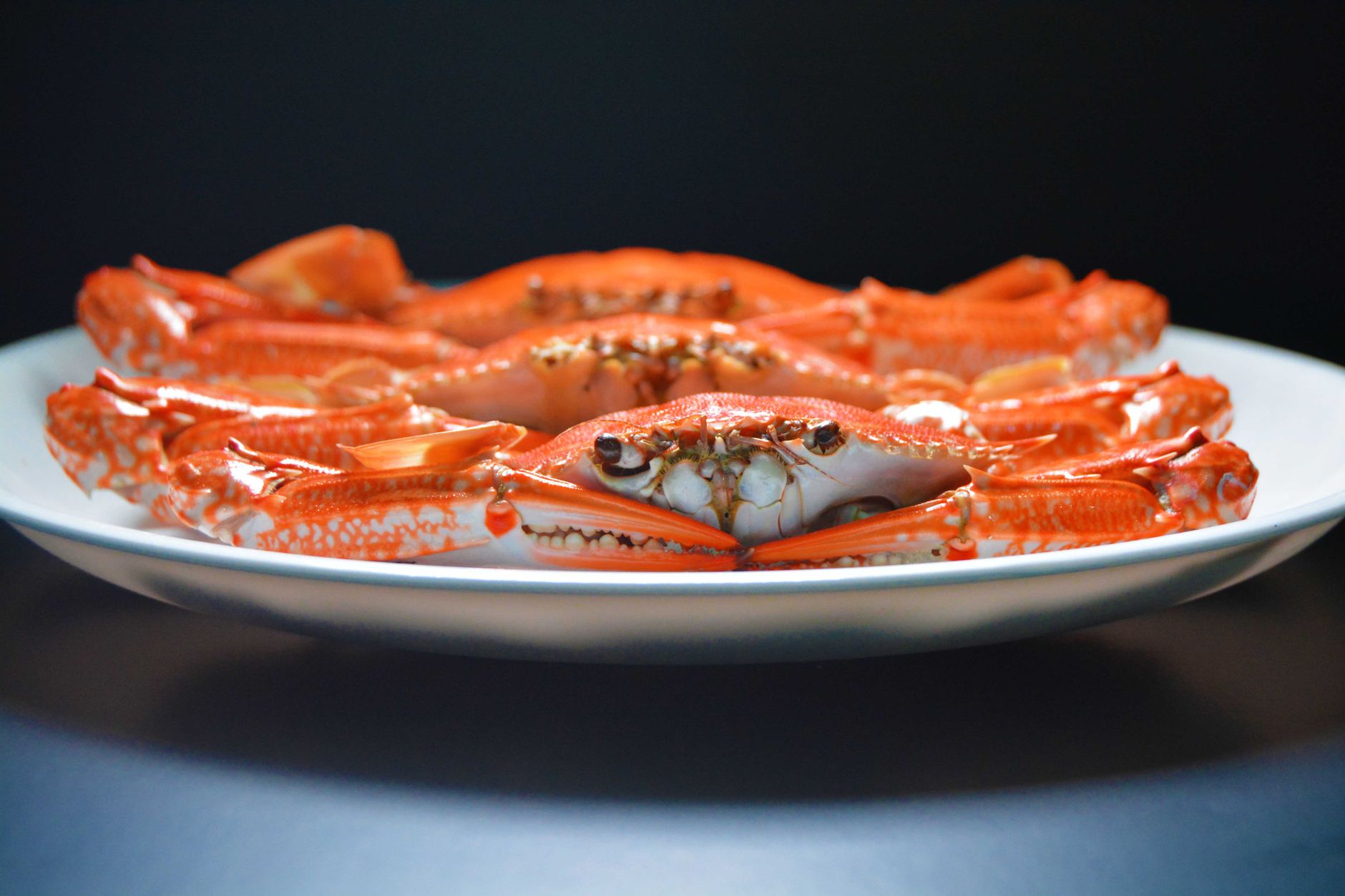
Crab is a beloved seafood that brings a taste of the ocean to many dishes, from elegant dinners to casual crab boils. Its unique flavor, tender texture, and versatility in cooking make it popular worldwide. But whilst it might be a gourmet delight, many ask: is crab healthy?
In this article, we will explore the nutritional profile of crab, examine appropriate portions, and consider potential concerns associated with its consumption. Understanding these aspects will help you make informed choices when adding crab to your diet.
Is Crab Healthy?
Yes, crab is generally considered healthy due to its high protein content, low calories, and beneficial nutrients. However, as with any food, moderation is key, and certain considerations should be taken into account, such as shellfish allergies and preparation methods.
Nutritional Profile of Crab
Crab is a lean source of protein, making it an excellent addition to a balanced diet. Here’s a breakdown of the key nutrients in a typical serving of cooked crab.
Protein
Crab is an impressive source of protein, which is essential for muscle growth, repair, and overall health. A 3-ounce serving of cooked crab meat contains about 20 grams of protein.
Calories
Crab is low in calories, making it a suitable choice for those watching their weight. That same 3-ounce serving generally contains around 80-100 calories.
Fats
Crab is low in fat, with less than 2 grams per serving. The majority of this fat is unsaturated, which is healthier than saturated fat commonly found in red meats.
Vitamins and Minerals
- Vitamin B12: Essential for nerve function and the production of DNA and red blood cells.
- Zinc: Supports a healthy immune system and aids in cell division and growth.
- Iron: Important for blood production and transporting oxygen throughout the body.
- selenium: Acts as an antioxidant and plays a role in metabolism.
Health Benefits of Consuming Crab
In addition to being nutritious, consuming crab may offer several health benefits:
Heart Health
Due to its low saturated fat content and the presence of omega-3 fatty acids, which are known for their heart-protective properties, crab can contribute to cardiovascular health.
Weight Management
The high protein and low calorie content of crab can help support weight loss efforts by promoting feelings of fullness while minimizing calorie intake.
Boosting Immunity
Crab is rich in essential nutrients like zinc and selenium, which are crucial for maintaining a robust immune system.
Portion Sizes: How Much Crab Should You Eat?
When incorporating crab into your diet, consider serving sizes. A typical portion of crab is about 3-4 ounces, which is roughly the size of a deck of cards. This amount provides adequate nutrients without excessive calories. If you are consuming crab as part of a mixed meal or buffet, adjust portion sizes accordingly to maintain balance in your overall intake.
Cooking Methods for Crab
How you prepare crab matters greatly when it comes to its healthiness. You can enjoy crab in various delicious ways. Below are some popular cooking methods:
Steaming
Steaming is one of the healthiest methods for cooking crab. It preserves the natural flavors and moisture without adding fats or calories. To steam crab:
- Bring a pot of water to a simmer and insert a steaming basket.
- Add the crab to the basket, cover, and steam for 6-8 minutes if it’s already cooked or 10-15 minutes for raw crab.
Boiling
Boiling can cook crab quickly and effectively. However, it can result in loss of some nutrients. To boil crab:
- Fill a large pot with water and bring it to a rolling boil.
- Add seasoning as desired (salt, Old Bay seasoning).
- Add the crab and cook for 8-12 minutes, depending on size.
Baking
Baking crab can enhance its flavor, especially with added herbs or spices. To bake crab:
- Preheat your oven to 375°F (190°C).
- Place the crab in a baking dish, brush with olive oil or melted butter, and season.
- Bake for about 20 minutes or until heated through.
Considerations When Eating Crab
While crab can be a healthy choice, there are a few considerations to keep in mind:
Allergies
Shellfish allergies are relatively common, and some individuals may experience severe reactions. If you have never tried crab before or have a known shellfish allergy, it is best to consult a healthcare professional before consumption.
Mercury Levels
Although crab generally has lower mercury levels than many other seafood, it’s still wise to limit consumption, particularly for pregnant women and young children. Stick to 1-2 servings per week to minimize any potential risks.
Source and Sustainability
When purchasing crab, consider its source. Overfishing has affected many crab populations, so choose sustainably sourced crab whenever possible. Look for certifications like the Marine Stewardship Council (MSC) label or ask suppliers for information about their fishing practices.
Popular Crab Recipes to Try
If you’re inspired to cook with crab, here are a couple of popular recipe ideas that highlight its unique flavor while keeping health in mind:
Crab Salad
A refreshing dish that combines crab meat with fresh vegetables and a light dressing:
- In a bowl, combine 1 cup of crab meat with diced celery, red onion, and bell pepper.
- Add 2 tablespoons of Greek yogurt, the juice of half a lemon, salt, and pepper. Mix well.
- Serve chilled on a bed of greens.
Crab Cakes
These can be healthy and flavorful when made with whole ingredients:
- Mix 1 cup of lump crab meat with 1/4 cup of breadcrumbs, 1 egg, diced onion, and mustard.
- Form patties and bake them at 375°F (190°C) for about 20-25 minutes until golden brown.
- Serve with a side of mixed greens or a light dipping sauce.
Storage and Reheating Guidelines
Proper storage of crab is important to keep it safe for consumption:
How to Store Crab
- Cooked crab can be stored in the refrigerator for up to 3 days in an airtight container.
- If you need to store crab long-term, consider freezing it. Wrap it tightly in plastic wrap and place it in a freezer bag, where it can last for up to 6 months.
Reheating Crab
When reheating crab, ensure it reaches an internal temperature of 165°F (74°C) for safety:
- Reheat crab in a steamer for best results, as it keeps the meat moist.
- Alternatively, you can use the microwave, covering it loosely with a microwave-safe lid.
Common Mistakes to Avoid
Here are a few common pitfalls to watch out for when cooking and consuming crab:
- Rushing the cooking time can lead to tough, rubbery meat. Always follow recommended cooking times.
- Over-seasoning or using heavy sauces can mask the crab’s delicate flavor. Keep it simple to highlight its natural taste.
- Not checking for shell fragments before serving can lead to an unpleasant eating experience.
Conclusion
Crab can be a healthy choice, packed with protein and nutrients while being low in calories. When consumed in moderation, and with mindful preparation and sourcing, crab can certainly fit into an overall balanced diet. As you explore the world of crab cooking and recipes, remember the importance of enjoying this delectable seafood responsibly.
For more information on the distinctive flavors of crab, you can read about what crab tastes like. You may also be curious about managing portions, so don’t miss out on our guide on how many crabs are in a bushel for future gatherings.