
Country Crock is a popular brand of margarine that many people use as a butter substitute in cooking and baking. With its creamy texture and ability to enhance flavors, it’s often a staple in households. However, some consumers wonder about its health impacts, particularly with rising concerns about processed foods and dietary fats.
The question then arises: Is Country Crock bad for you? In this article, we’ll explore its nutritional content, ingredients, and any health concerns associated with margarine in general. Understanding these aspects can help you make informed choices that align with your dietary preferences and health goals.
Is Country Crock Bad for You?
Country Crock is not outright bad for you, but its healthfulness can vary based on individual dietary needs and preferences. It contains fats, additives, and fortified vitamins that may concern some consumers. However, when consumed in moderation as part of a balanced diet, it can fit within a healthy eating pattern.
Nutritional Breakdown of Country Crock
To evaluate whether Country Crock is a suitable choice for you, let’s take a closer look at its nutritional content. A typical serving of Country Crock (about one tablespoon) includes:
- Calories: Approximately 70
- Total Fat: 8 grams
- Saturated Fat: 1.5 grams
- Trans Fat: 0 grams
- Cholesterol: 0 mg
- Sodium: 100 mg
- Total Carbohydrates: 0 grams
- Vitamins A and D (added fortifications)
This nutritional breakdown indicates that while Country Crock is lower in saturated fats compared to butter, it does contain some additives and preservatives that may prompt concern among health-conscious consumers.
Ingredients in Country Crock
Understanding the ingredient list is crucial when determining how “bad” a food is for your health. The exact formulation of Country Crock may vary slightly by product line, but typically, you can expect to find the following components:
- Water
- Vegetable oils (such as soybean, palm, or canola oil)
- Emulsifiers (like soy lecithin)
- Salt
- Preservatives (such as potassium sorbate)
- Vitamins A and D
While the vegetable oils used are generally regarded as healthier fats, they are still processed. Tran fats, which can be found in some margarines, are absent in the current formulations of Country Crock. It’s important to check the specific product label for the most accurate ingredient information.
Health Concerns Associated With Margarine
Many people consider margarine, including Country Crock, as a healthier alternative to butter. However, some concerns arise regarding trans fats and additives in margarine. Here are a few points to consider:
Trans Fats
Trans fats are associated with an increased risk of heart disease. Margarines that contain partially hydrogenated oils can have trans fats, which are harmful to cardiovascular health. Fortunately, Country Crock does not contain trans fats in its formulations, making it a better option compared to some other margarine brands.
Sodium and Preservatives
Country Crock contains sodium and preservatives, which may be a concern for individuals on a low-sodium diet or those aiming for minimally processed foods. It’s advisable to keep your overall sodium intake in check, particularly if you’re watching your blood pressure.
Portion Control: Moderation is Key
One of the most significant factors affecting whether Country Crock is bad for you is how much you consume. Moderation is paramount. A tablespoon or two can add flavor to your dishes without overloading on calories or fats. This is especially important when using it in meals like:
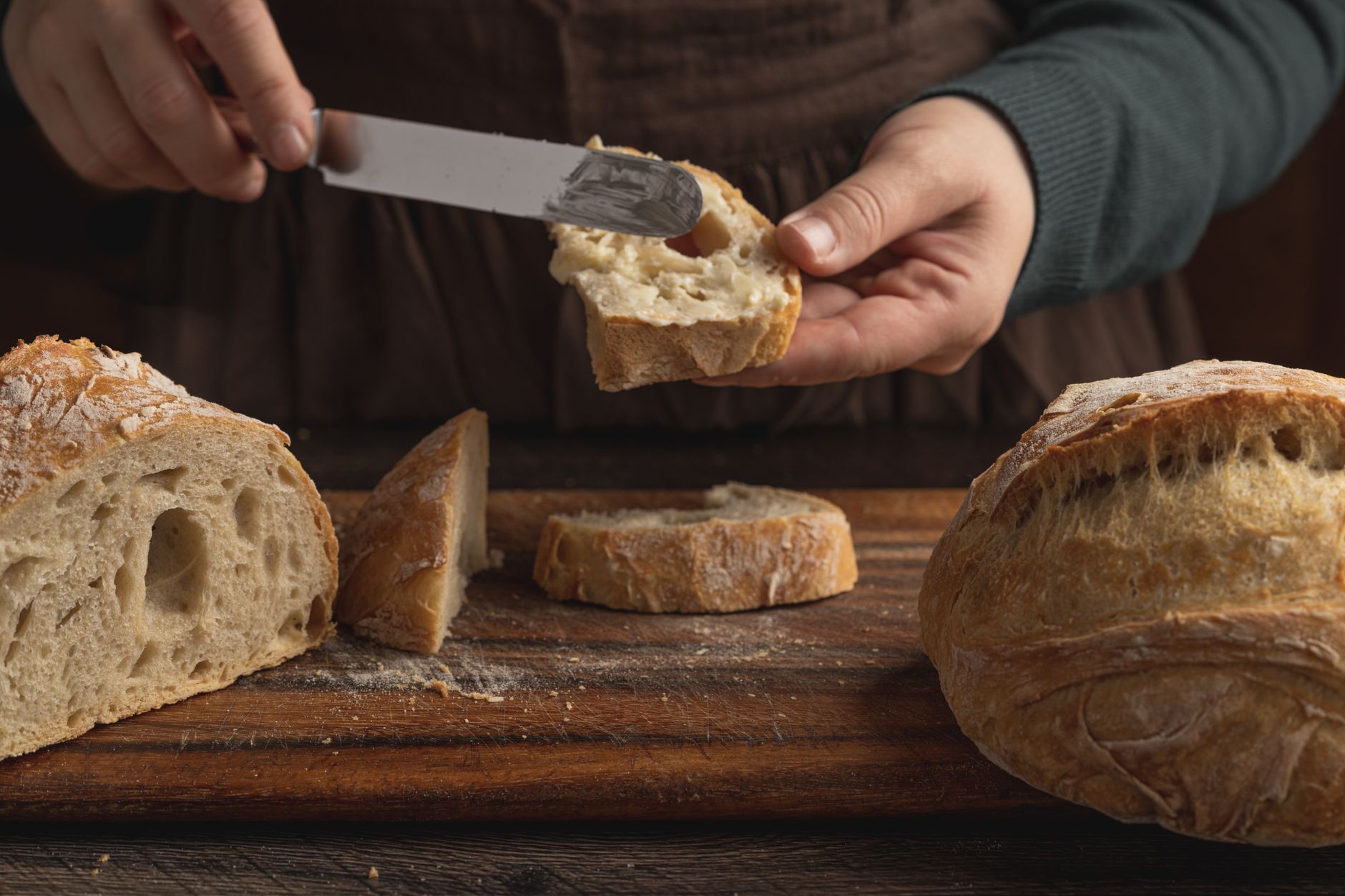
- Spreading on toast
- Cooking vegetables
- Baking cookies or brownies
Incorporating Country Crock as part of a balanced diet can be perfectly fine. Just be mindful of the portion sizes to keep your intake healthy.
Practical Uses for Country Crock
Country Crock can be employed in various culinary applications. Its versatility makes it a favorite in many households. Here are some practical ways to utilize it:
Cooking
Use Country Crock to sauté vegetables, making the dish richer in flavor without the heaviness of butter. You can also mix it into mashed potatoes for a creamy consistency.
Baking
If a recipe calls for butter, you can often substitute Country Crock at a 1:1 ratio. This works well for cookies, cakes, and muffins, offering a slightly different flavor while retaining moisture.
Spreading
Simply spread Country Crock on bread, rolls, or biscuits for an instant flavor boost. It can also be blended with herbs to create a delightful compound butter substitute.
When Might Country Crock Be Unhealthy?
While Country Crock has certain benefits, there are situations where it may not be the best choice:
For Those With Specific Diets
If you’re following a whole-food, plant-based diet or aiming to avoid processed foods, you might want to steer clear of margarine altogether. Opting for natural fats like olive oil or avocado can be a better choice in these cases.
Caloric Intake
If you are monitoring your calorie intake for weight loss or management, be cautious about how much you use. The calories can quickly add up, especially if added liberally.
Alternatives to Country Crock
If after evaluating its nutrients and potential health concerns you decide to explore alternatives, here are some options:
- Butter: Offers natural fats but contains cholesterol and saturated fats at a higher rate.
- Olive Oil: Provides heart-healthy fats and is versatile for cooking.
- Coconut Oil: Adds a unique flavor, ideal for certain dishes and baking.
- Avocado or Nut Butters: For spreads that provide healthy fats without the additives.
Switching to these alternatives can provide various flavors and nutritional benefits suited to different dietary needs.
Storing Country Crock
Proper storage of Country Crock is essential to maintaining its quality and extending shelf life. Here are the guidelines:
- Keep it in the refrigerator after opening to prevent spoilage.
- Store it in a cool, dry place if unopened; most products can be kept at room temperature for a short period.
- Check for any off smells or discoloration once opened as an indicator of spoilage.
Serving Suggestions
Country Crock can be a delightful addition when served properly. Consider these ideas:
- Spread it on warm, crusty bread alongside your favorite soup.
- Mix it with sautéed garlic and fresh herbs for a flavorful vegetable topping.
- Use it in recipes for creamy pasta dishes or as a base for sauces.
Common Mistakes to Avoid
When it comes to using Country Crock, here are some pitfalls to keep in mind:
- Overusing it: A little goes a long way; keep track of portions.
- Assuming all margarine is the same: Always read the labels for differences.
- Using expired product: Pay attention to expiration dates for safety.
Final Thoughts on Country Crock
While Country Crock can fit into a balanced diet, it’s important to consider your personal health goals and dietary preferences. Its creamy texture and ease of use make it a worthwhile option for many culinary tasks, but moderation and awareness are key. Whether it’s for cooking, baking, or spreading, using it wisely will allow you to enjoy its benefits without overstepping nutritional boundaries.
To expand your culinary knowledge, you might want to explore topics such as whether mayo is bad for you or what shortening is in baking, as both can greatly influence the outcome of your cooking and baking endeavors.