
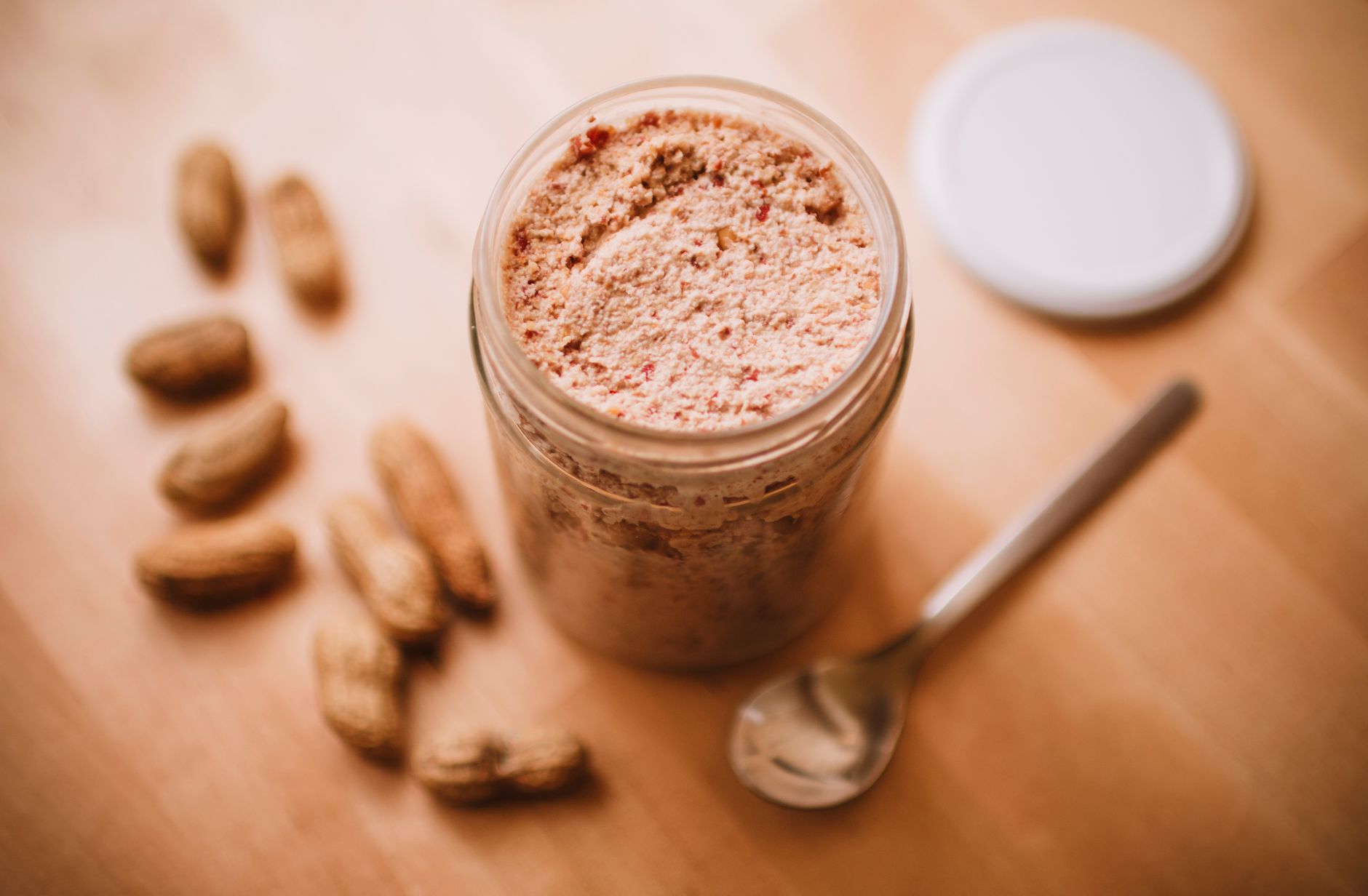
Peanut butter is a beloved spread used in countless recipes and dishes, from classic peanut butter and jelly sandwiches to rich sauces and desserts. One common question that arises among health-conscious consumers and those with dietary restrictions is whether peanut butter contains dairy. Understanding the components of peanut butter is crucial for those who want to avoid dairy for allergy reasons, dietary preferences, or health choices.
This article delves into the composition of peanut butter, its types, and essential tips for those observing a dairy-free lifestyle. Whether you’re a peanut butter aficionado or new to it, this guide will equip you with useful information.
Does Peanut Butter Have Dairy in It?
No, traditional peanut butter does not contain dairy. Peanut butter is made from ground peanuts, often with added salt, sugar, or oils. However, it’s vital to check labels as some flavored or processed varieties may include dairy ingredients.
Understanding Peanut Butter: What Is It Made Of?
Peanut butter primarily consists of roasted peanuts that are ground to a smooth or chunky consistency. The ingredients can vary by type and brand, but here’s a basic breakdown of what you may find in common peanut butter products:
- Peanuts: The main ingredient, usually roasted.
- Salt: Added for flavor.
- Sweeteners: Sugar, honey, or other sweeteners may be included.
- Oils: Some kinds include oils to enhance texture and prevent separation.
- Stabilizers: Some brands use stabilizers to maintain consistency.
Types of Peanut Butter
There are several types of peanut butter available, and it’s important to know their specific contents when considering dairy-free options.
1. Natural Peanut Butter
Natural peanut butter contains only peanuts and possibly a little salt. It is the least processed option and is often the safest choice for those avoiding dairy.
2. Conventional Peanut Butter
This type often has added sugar, hydrogenated oils, and stabilizers. While it typically remains dairy-free, always read labels to confirm no dairy ingredients are present.
3. Flavored Peanut Butter
Flavored varieties, such as those with chocolate or additional spices, may contain dairy ingredients. Always check the ingredient list when selecting these options.
4. Peanut Butter Spreads
Some peanut butter spreads may contain other nut butters or dairy products. These are often marketed as spreads, so read the packaging carefully.
Why Do People Need to Avoid Dairy?
Many individuals seek to avoid dairy for various reasons, including:
- Lactose Intolerance: A common condition where individuals cannot digest lactose, the sugar found in milk.
- Dairy Allergy: An immune response to proteins in milk, which can trigger severe reactions.
- Vegan Diet: Those following a vegan lifestyle avoid all animal products, including dairy.
- Health Reasons: Some individuals opt for dairy-free diets to address specific health concerns or preferences.
How to Choose Dairy-Free Peanut Butter
When shopping for peanut butter, follow these tips to ensure that your choice is dairy-free:
- Read Labels: Always check the ingredient list for dairy products like milk, cream, or casein.
- Look for the “Dairy-Free” Label: Many brands are clear about their products being dairy-free. This can simplify your search.
- Opt for Natural Brands: Choosing natural peanut butter often results in a product without unnecessary additives.
- Check for Allergen Statements: These statements can indicate if the peanut butter was processed with dairy products.
Common Misconceptions About Peanut Butter and Dairy
Clearing up misconceptions can help consumers make better choices:
- Misconception 1: All peanut butter contains dairy.
Reality: Most peanut butters do not contain dairy, but always verify by checking labels. - Misconception 2: Natural peanut butter is not widely available.
Reality: Many grocery stores now carry natural peanut butter options. - Misconception 3: Dairy ingredients are always obvious.
Reality: Some processed peanut butters might include dairy in the form of flavors or cream.
Making Peanut Butter at Home
If you want absolute control over your peanut butter’s ingredients, consider making it at home. Here’s how:
Homemade Peanut Butter Recipe
This simple recipe ensures you have a fresh, dairy-free spread with just peanuts as the main ingredient.
Ingredients:
- 2 cups roasted peanuts (unsalted)
- Optional: Pinch of salt or sweetener to taste
Equipment Needed:
- Food processor
- Spatula
- Storage container
Instructions:
- Add the roasted peanuts to the food processor.
- Process for about 2-3 minutes until smooth. Scrape down the sides as needed.
- If desired, add salt or sweeteners and blend again until combined.
- Transfer the peanut butter to a clean storage container and refrigerate.
Storing Peanut Butter
Proper storage is essential for maintaining the flavor and freshness of peanut butter:
- Room Temperature: Unopened jars can be stored in a cool, dry place. Once opened, conventional peanut butter is typically stable at room temperature.
- Refrigeration: Natural peanut butter, which lacks preservatives, should be stored in the fridge to maintain freshness.
- Check Dates: Always observe “best by” or “use by” dates to ensure optimal quality.
Using Peanut Butter in Recipes
Peanut butter is versatile and enhances the flavor of many dishes, from sweets to savory sauces. Here are some ideas for incorporating peanut butter into your meals:
1. Peanut Butter Smoothies
Add a tablespoon of peanut butter to a smoothie for a protein boost and a rich flavor.
2. Peanut Butter Sauces
Use peanut butter as a base for sauces. Combine it with soy sauce, lime juice, and ginger for a quick stir-fry sauce.
3. Baking with Peanut Butter
Peanut butter cookies are a classic. Ensure any recipe you follow is dairy-free if needed. Check ingredient labels on additional components.
4. Peanut Butter Overnight Oats
Mix peanut butter with oatmeal, milk (or dairy-free milk), and toppings for a nutritious breakfast.
5. Energy Bites
Combine peanut butter with oats, honey, and add-ins like chocolate chips or seeds for a quick snack.
Allergy Tips: Managing Peanut Butter and Dairy Allergies
Handling allergies requires caution to ensure safety:
- Avoid Cross-Contamination: Use separate utensils and containers for peanut butter to prevent contact with dairy products.
- Communicate Clearly: If dining out, inform servers about any allergies to avoid accidental exposure to dairy.
- Consider Alternatives: If you’re allergic to both peanuts and dairy, explore alternatives like almond butter or sunflower seed butter.
Conclusion
Peanut butter remains a dairy-free staple for many, provided you choose the right products. Understanding the variations and ingredients is essential for maintaining a careful diet, especially for those with allergies or dietary restrictions.
For those who want to explore recipes that are friendly to a dairy-free lifestyle, consider checking out the peanut butter fudge recipe or try making dairy-free pancakes. Each of these options allows you to enjoy the flavor of peanut butter without compromising your dietary preferences.
Explore related recipes and cooking tips for a more enjoyable culinary experience.