
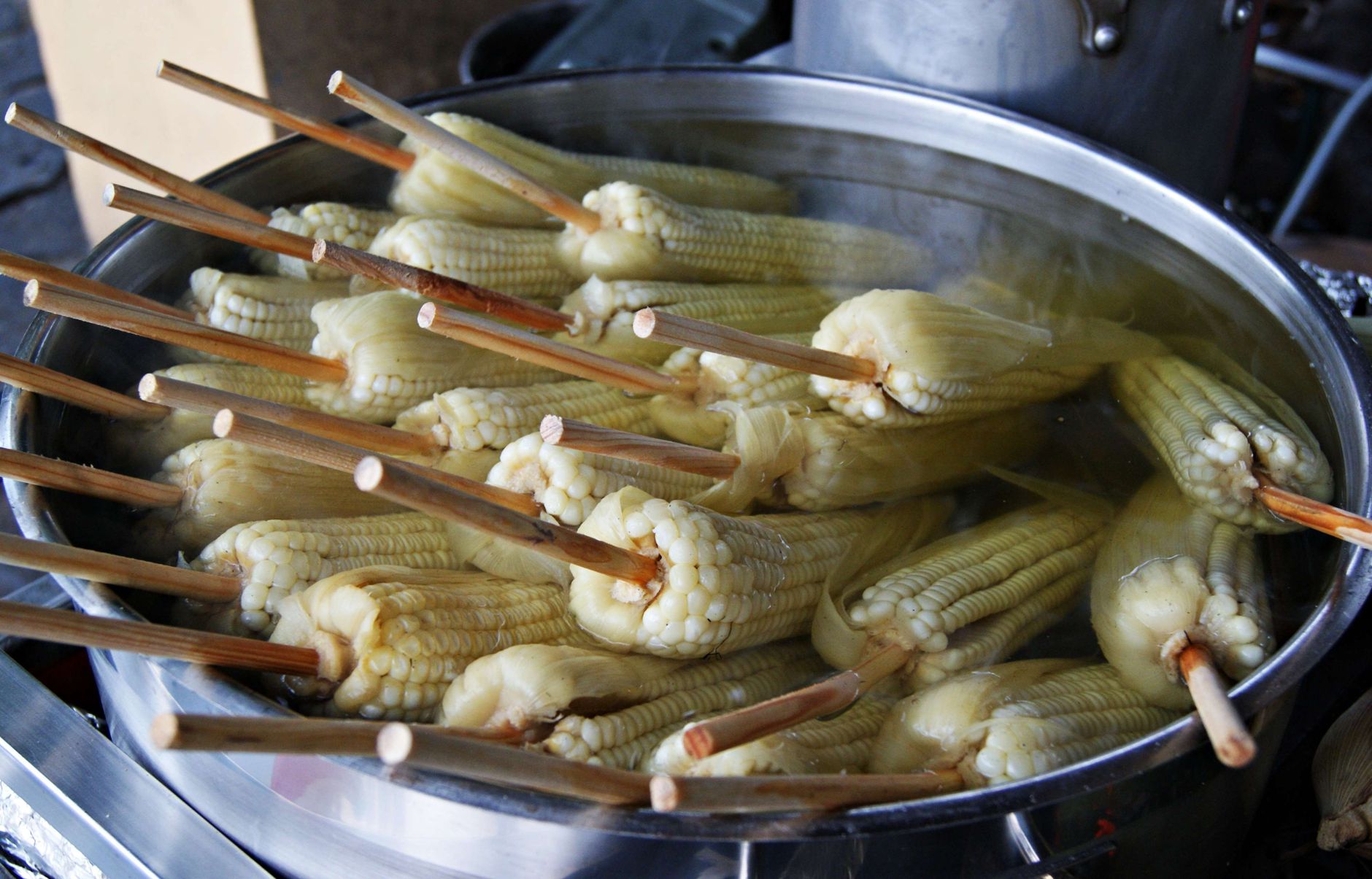
Corn on the cob is a classic summer side dish that brings juicy sweetness and satisfying crunch. For those who are gluten-sensitive or living a gluten-free lifestyle, the question arises: is corn on the cob safe to eat? Understanding the gluten content in corn and its preparations can help you enjoy this delicious vegetable without worry.
In this article, we will explore whether corn on the cob is gluten-free, the ingredients you need to check, and how to confidently serve this tasty dish as part of a gluten-free diet. Let’s dive into the world of corn and clear up any confusion regarding gluten.
Is Corn on the Cob Gluten Free?
Yes, corn on the cob is typically gluten-free. Corn itself is a grain that does not contain gluten, making it safe for individuals with celiac disease or gluten intolerance. However, it is crucial to be aware of potential cross-contamination or additional ingredients used during preparation that may contain gluten.
Understanding Gluten and Corn
Gluten is a protein found in certain grains, such as wheat, barley, and rye. It acts as a binding agent, giving dough its elasticity. Corn, on the other hand, is classified as a gluten-free grain and can be consumed safely by those avoiding gluten.
Corn can be prepared in many forms—fresh, frozen, canned, or as cornmeal and corn flour. Each method can sometimes involve added ingredients that may introduce gluten into your meal. Thus, it is essential to check labels and ingredient lists carefully.
Ingredients to Watch Out For
While corn on the cob itself is gluten-free, it is important to consider the ingredients used in its cooking or serving. Here are some common ingredients that may accompany corn on the cob:
- Butter: Most butter is gluten-free, but flavored butters may contain gluten.
- Seasonings: Some seasonings or spice blends can have gluten as a filler. Always check the label.
- Marinades: If using sauces or marinades for grilling, read the labels carefully as they may have soy sauce or malt vinegar, which contain gluten.
- Topping Mixes: Pre-packaged topping mixes or flavored salts may also contain gluten. Opt for pure ingredients.
Cooking Corn on the Cob
Cooking fresh corn on the cob is straightforward and can be done in several ways. Here are a few popular methods to prepare it:
Boiling Corn on the Cob
- Fill a large pot with water and bring it to a boil.
- Add the corn on the cob, ensuring it is submerged.
- Cover the pot and cook for 5-7 minutes or until the corn is tender.
- Use tongs to remove the cobs and let them cool for a moment before serving.
Grilling Corn on the Cob
- Preheat the grill to medium-high heat.
- You can leave the husks on for a steam effect or remove them for direct grilling.
- If you remove the husks, apply your favorite oil or butter and seasonings.
- Place the corn on the grill and cook for 10-15 minutes, turning occasionally until charred.
Microwaving Corn on the Cob
- Wrap the ear of corn in a damp paper towel.
- Place it in the microwave and cook on high for about 4 minutes.
- Let it cool slightly before removing the paper towel to avoid burns.
Other Corn Varieties and Products
Corn is available in various forms, all of which can be gluten-free. It’s essential to select the right kind based on your cooking needs. Here is a breakdown of different corn products:
Cornmeal and Corn Flour
Both cornmeal and corn flour are made from ground corn and are gluten-free. They can be used to make cornbread, pancakes, and other baked goods. Always ensure they are labeled gluten-free, as cross-contamination during processing can occur.
Canned or Frozen Corn
Canned and frozen corn is typically gluten-free as well, but be cautious of added sugars or sauces in canned versions that might contain gluten. Look for products without additives or preservatives.
Corn Tortillas
Corn tortillas are often used as a gluten-free alternative to wheat tortillas. However, it is essential to check that they are made with 100% corn and do not include any flour or gluten-containing ingredients.
Flavoring and Toppings
Adding flavor to corn on the cob can enhance its natural sweetness. Here are some gluten-free topping ideas:
- Classic Butter and Salt: A simple blend of butter and salt highlights the corn’s sweetness.
- Herb Butter: Mix softened butter with fresh herbs like parsley, cilantro, or basil for a fresh twist.
- Spices: Try chili powder, paprika, or even nutritional yeast for a cheesy flavor.
- Lemon Juice: Squeeze fresh lemon juice over the cooked corn for a zing.
Common Mistakes to Avoid
When preparing corn on the cob, here are some common pitfalls to be aware of:
- Not checking labels: Always read the labels on seasoning mixes, butter, or toppings to avoid gluten.
- Cross-contamination: If you cook corn alongside gluten-containing foods, ensure that utensils and surfaces are thoroughly cleaned.
- Overcooking: Boiling corn for too long can lead to tough kernels—stick to the cooking time for the best texture.
Serving Suggestions
Corn on the cob can be a delicious side dish at barbecues, family gatherings, or even a light meal. Here are a few serving ideas:
- Pair corn on the cob with grilled meats like chicken or steak.
- Serve with a fresh salad or coleslaw to balance the sweetness of the corn.
- Offer a variety of toppings for a fun corn-tasting bar during a gathering.
Make-Ahead Tips
To enjoy corn on the cob without stress, consider these make-ahead tips:
- Cook corn a few hours in advance. It can be kept warm in the husk until serving.
- Grilled corn can be prepared ahead and reheated quickly on the grill for a couple of minutes.
Storage and Reheating
If you have leftover corn on the cob, store it correctly to maintain flavor and texture:
- Wrap cooked corn in foil or store in an airtight container in the fridge for up to 3-5 days.
- To reheat, either microwave for a minute or two or place it back on the grill for a few minutes until warmed through.
Conclusion
Corn on the cob is a naturally gluten-free option that can be enjoyed with various toppings and methods of preparation. Keep an eye on additional ingredients, check labels consistently, and you can confidently include this tasty vegetable in your gluten-free meal plans.
For a delightful addition to your meal, try making corn ribs or indulge yourself with a creative corn souffle. Enjoy cooking and savoring corn on the cob!