
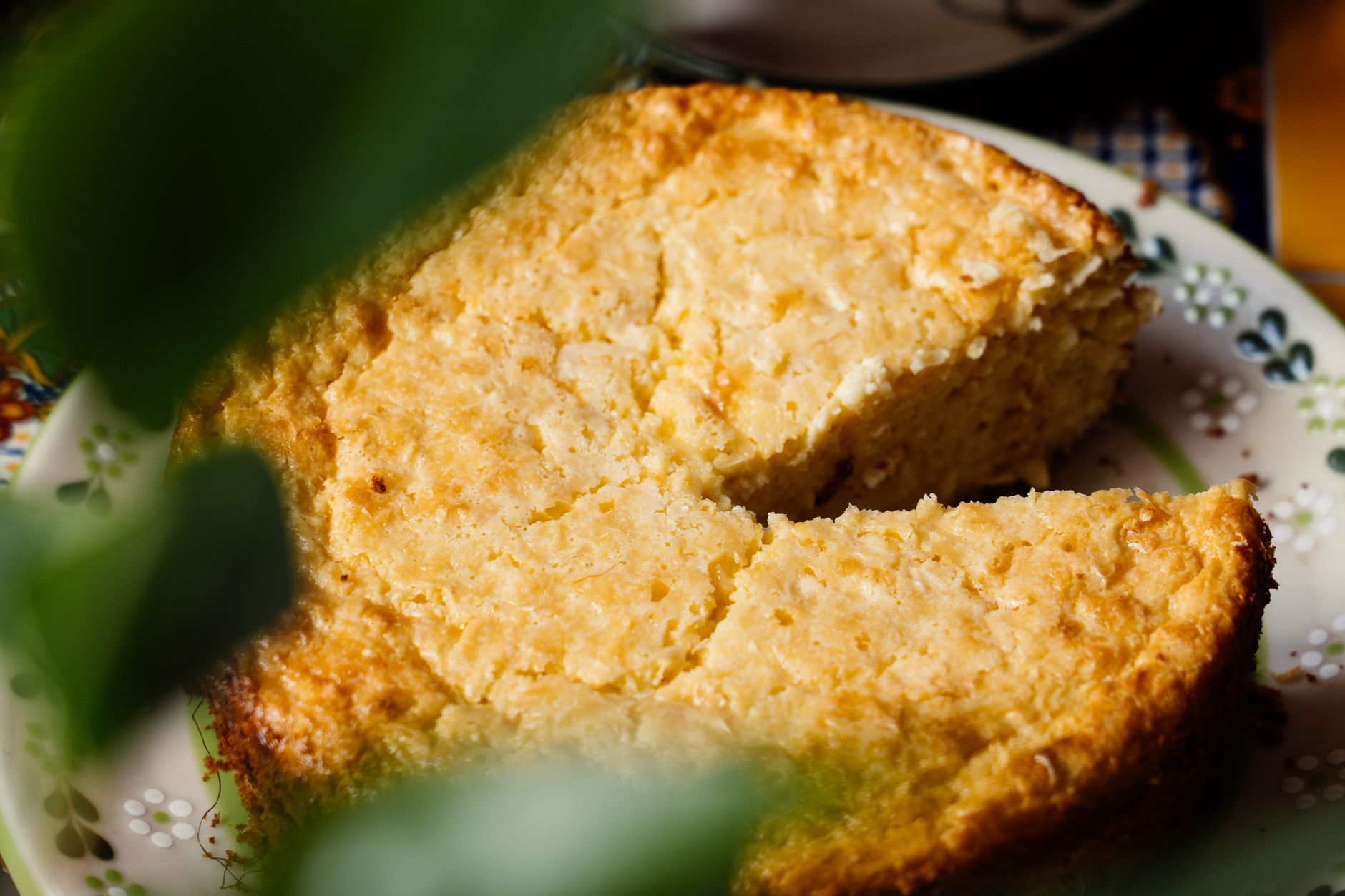
Cornbread is a beloved staple in many cuisines, often celebrated for its sweet and savory flavors. However, for those with gluten sensitivities or celiac disease, a crucial question arises: Is cornbread gluten-free? Understanding which types of cornbread are safe to eat involves examining the ingredients and preparation methods that go into making this hearty dish.
This article will explore cornbread’s gluten-free potential, including common ingredients, preparation techniques, and recipes that cater to gluten-free diets. By the end, you’ll be equipped to enjoy cornbread without worrying about gluten.
Is Cornbread Gluten Free?
Typically, cornbread made from pure cornmeal is gluten-free. However, many traditional recipes include wheat flour or other gluten-containing additives, which can make the final product unsafe for gluten-sensitive individuals. To ensure cornbread is gluten-free, it is essential to check ingredients and potentially use certified gluten-free products.
Understanding Cornmeal
Cornmeal is ground from dried corn and serves as the primary ingredient in cornbread. Unlike wheat flour, cornmeal does not contain gluten—a protein that can cause gastrointestinal distress in those with gluten intolerance or celiac disease. However, consumers should be aware of cross-contamination risks in processing facilities.
Types of Cornmeal
There are several types of cornmeal, including:
- Yellow Cornmeal: The most common type used in cornbread, offering a slightly sweet flavor.
- White Cornmeal: Milder and often used in Southern cornbread recipes.
- Blue Cornmeal: Made from blue corn, this variation tends to have a nutty taste and a distinctive color.
- Coarse Cornmeal: Provides texture and is less finely ground than regular cornmeal, commonly used for a rustic cornbread.
Cross-Contamination Concerns
When purchasing cornmeal or cornbread mixes, look for products labeled as gluten-free. Cross-contamination can occur during processing if shared equipment is used. Always check packaging for certification and make informed choices when selecting ingredients.
Common Ingredients in Cornbread
Aside from cornmeal, traditional cornbread recipes often use other ingredients such as:
- Flour (often wheat flour, which is not gluten-free)
- Baking powder (check for gluten-free brand)
- Sugar
- Salt
- Butter or oil
- Milk or buttermilk
- Eggs
Gluten-Free Substitutes for Cornbread
If you are keen on making gluten-free cornbread, several substitutes can help mimic the texture and flavor without using wheat flour. Here are some reliable alternatives:
- Gluten-Free All-Purpose Flour: Many brands have pre-mixed options that work well in cornbread.
- Almond Flour: Adds moisture and a slightly sweet taste but may require an egg for binding.
- Coconut Flour: Absorbs moisture well, so use less than the recipe calls for and increase liquid ingredients.
- Oat Flour: Ensure it’s certified gluten-free to avoid cross-contamination.
Adjusting Recipes
When using gluten-free flour substitutes, consider the following:
- Ratios may differ; usually, you can replace 1:1 but check specific recommendations for flour types.
- Gluten-free baked goods often require additional binding agents, such as xanthan gum to achieve the correct texture.
- Adjust liquid levels, as gluten-free flours typically require more moisture.
A Basic Gluten-Free Cornbread Recipe
Here’s a straightforward recipe for gluten-free cornbread. This dish is quick to prepare and takes advantage of the naturally gluten-free characteristics of cornmeal.
Ingredients
- 1 cup cornmeal
- 1 cup gluten-free all-purpose flour blend
- 1 tablespoon baking powder
- 1/4 cup sugar (optional for sweetness)
- 1 teaspoon salt
- 1 cup milk (or dairy-free alternative)
- 1/4 cup melted butter (or vegetable oil)
- 2 large eggs
Essential Equipment
- Mixing bowls
- Whisk
- Measuring cups and spoons
- 9-inch square or round baking dish
- Oven
Instructions
- Preheat the oven to 400°F (200°C) and grease the baking dish.
- In a large bowl, combine the cornmeal, gluten-free flour, baking powder, sugar, and salt. Mix well.
- In another bowl, whisk together the milk, melted butter (or oil), and eggs until combined.
- Add the wet ingredients to the dry ingredients and stir until just combined. Do not overmix.
- Pour the batter into the prepared baking dish and smooth the top.
- Bake for about 20-25 minutes or until a toothpick inserted in the center comes out clean.
- Allow the cornbread to cool slightly before slicing and serving.
Troubleshooting Common Cornbread Issues
Whether you’re crafting your cornbread from scratch or using a mix, some common issues may arise. Here are some potential troubleshooting tips:
- Dry Cornbread: Check the measurements of flour and liquid. Too much flour can lead to dryness. Adding an extra egg or reducing baking time can help keep moisture levels high.
- Dense Texture: This may result from overmixing or too many dry ingredients. Stir until combined, and opt for a lighter gluten-free flour blend for better results.
- Burnt Edges: If the edges brown too quickly, reduce the baking temperature by 25°F and increase the baking time slightly.
Serving Suggestions
Cornbread can complement a variety of meals. Here are a few ideas for serving:
- Pair with chili or stews for a hearty meal.
- Serve alongside BBQ dishes, especially ribs or pulled pork.
- Enjoy for breakfast topped with butter and honey or syrup.
- Transform leftovers into cornbread pudding by layering with custard mixture and baking until set.
Storing and Reheating Cornbread
Proper storage ensures your cornbread remains fresh and tasty.
- Storing: Store cornbread at room temperature in an airtight container for up to three days. For longer storage, wrap tightly and freeze for up to three months.
- Reheating: To reheat, preheat the oven to 350°F (175°C), wrap the cornbread in aluminum foil, and heat for about 10-15 minutes until warmed through.
Exploring Variations of Cornbread
Cornbread is versatile, allowing for numerous variations tailored to individual tastes. Here are some popular adaptations:
- Jalapeño Cornbread: Add diced jalapeños for a spicy kick.
- Sweet Cornbread: Increase sugar content or incorporate corn kernels for added sweetness.
- Herb-Infused Cornbread: Incorporate fresh herbs like rosemary or thyme for a unique flavor.
- Cheddar Cornbread: Mix in shredded cheddar cheese for a savory twist.
Conclusion
Cornbread can be gluten-free if prepared with the right ingredients, primarily cornmeal and specific gluten-free substitutes. By understanding which components contribute to gluten content and how to adapt your recipes, you can enjoy delightful cornbread meals without worry. The next step is to try making your own gluten-free cornbread and savoring its flavors.
For more delicious recipes, check out our sweet potato cornbread recipe and our cornbread pudding recipe for tasty alternatives to traditional cornbread.