
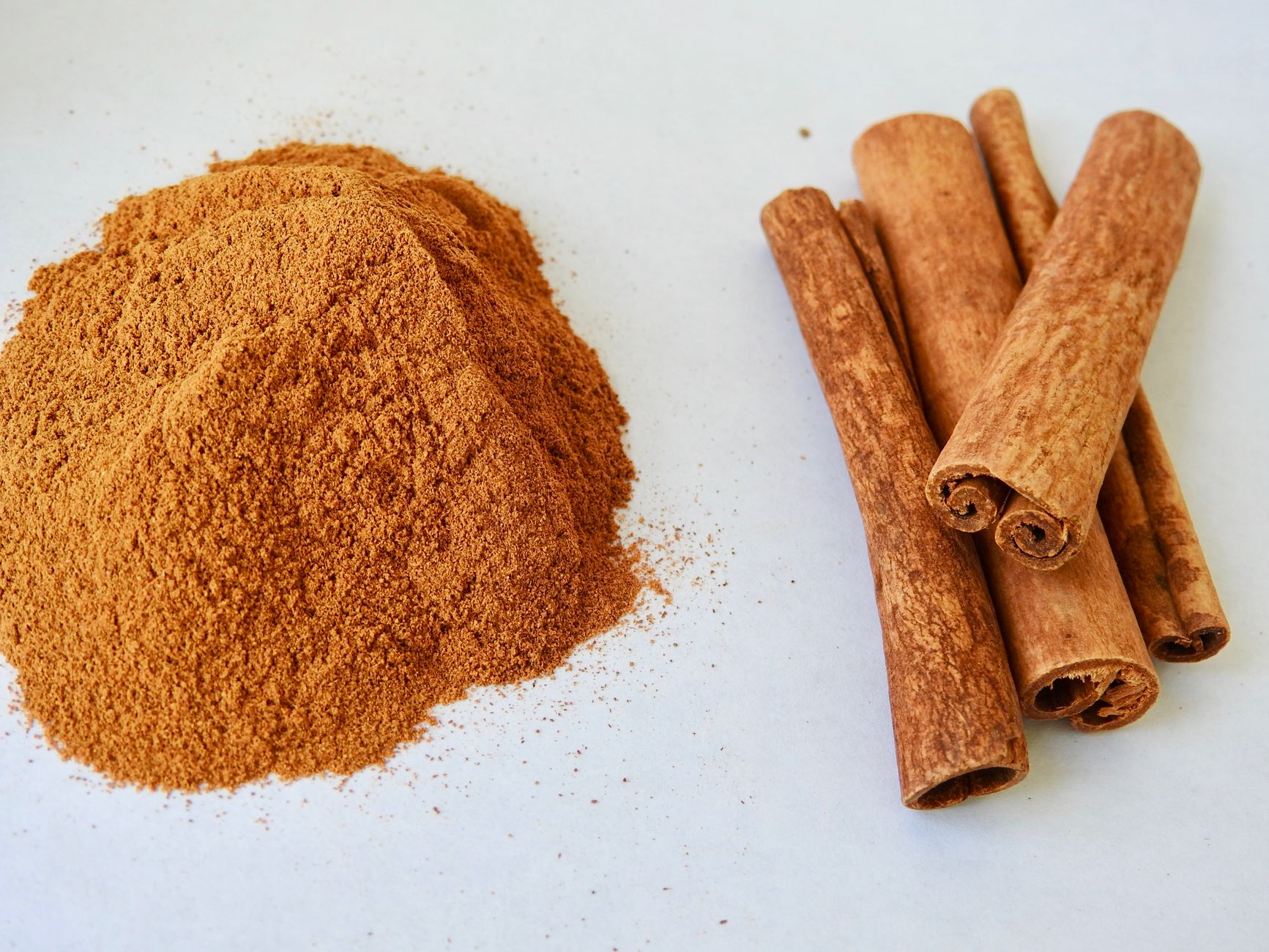
Cinnamon powder is a popular spice known for its rich flavor and versatility in cooking and baking. Beyond its culinary uses, many wonder about its potential health benefits. Understanding whether cinnamon powder is good for you involves examining its nutritional profile and how it can fit into a balanced diet.
This article will explore the benefits of cinnamon powder, its nutritional content, suggested portion sizes, and practical tips for incorporating it into your meals. By the end, you’ll have a comprehensive understanding of this beloved spice and its role in your diet.
Is Cinnamon Powder Good for You?
Yes, cinnamon powder can be good for you when consumed in moderation. It is rich in antioxidants and contains anti-inflammatory properties. Regular use may also offer potential benefits for blood sugar control and heart health. However, like any ingredient, it should be part of a balanced diet.
Nutritional Benefits of Cinnamon Powder
Cinnamon powder is more than just a flavorful spice; it’s packed with essential nutrients and compounds that may offer health benefits. Here’s a breakdown of its key nutritional components:
- Antioxidants: Cinnamon is rich in polyphenols, which can help combat oxidative stress and reduce inflammation in the body.
- Anti-inflammatory Properties: The active components in cinnamon, such as cinnamaldehyde, possess anti-inflammatory effects that may help alleviate symptoms of chronic illnesses.
- Blood Sugar Control: Studies suggest that cinnamon may enhance insulin sensitivity and lower blood sugar levels, which is beneficial for those managing diabetes.
- Heart Health: Cinnamon may help reduce cholesterol levels and lower blood pressure, contributing to overall cardiovascular health.
- Digestive Health: Historically, cinnamon has been used to alleviate digestive issues due to its ability to promote healthy digestion.
Nutritional Profile of Cinnamon Powder
While the nutritional values may vary slightly between different types of cinnamon (like Ceylon and Cassia), here’s a general overview of the nutritional content found in one teaspoon (approximately 2.6 grams) of cinnamon powder:
| Nutrient | Amount per Teaspoon |
|---|---|
| Calories | 6 |
| Total Fat | 0.1 g |
| Sodium | 0.5 mg |
| Total Carbohydrates | 2 g |
| Dietary Fiber | 1.4 g |
| Sugars | 0.1 g |
| Protein | 0.1 g |
| Calcium | 26 mg |
| Iron | 0.2 mg |
Recommended Portion Sizes
While cinnamon can be beneficial, moderation is essential. The general recommendation is to consume about 1-2 teaspoons (2.6 to 5.2 grams) per day to enjoy its flavor and health benefits without overdoing it. Always take care not to exceed 1 teaspoon of Cassia cinnamon daily due to its higher coumarin content, which can be harmful in large amounts.
How to Incorporate Cinnamon Powder into Your Diet
Adding cinnamon powder to your meals can enhance flavor while potentially providing health benefits. Here are some practical ways to include cinnamon in your recipes:
Breakfast
Start your day off right by incorporating cinnamon into your breakfast. Here are a few ideas:
- Oatmeal: Sprinkle a teaspoon of cinnamon into your morning oatmeal along with fruits like bananas or apples for added flavor.
- Smoothies: Add a dash of cinnamon to your smoothies for an inviting spice kick.
- Pancakes: Incorporate cinnamon into your pancake batter or use it as a topping with maple syrup for deliciously fragrant pancakes.
Snacks
Cinnamon can easily elevate your snacking experience:
- Yogurt: Stir cinnamon into yogurt along with honey and your favorite fruits for a satisfying and healthy snack.
- Popcorn: For a unique popcorn treat, sprinkle cinnamon and a little sugar on freshly popped corn.
Desserts
Cinnamon is a staple ingredient in numerous desserts:
- Baking: Use cinnamon when making muffins, cookies, or breads for added warmth and taste.
- Fruit Dishes: Sprinkle cinnamon on baked apples or poached pears for an aromatic dessert.
Savory Dishes
While cinnamon is often used in sweets, it works well in many savory dishes:
- Curries and Stews: Add cinnamon to your favorite curries, stews, or chili to enhance the flavor profile.
- Roasted Vegetables: Mixing cinnamon with olive oil and tossing it over roasted sweet potatoes or squash adds a lovely depth of flavor.
Practical Substitutions for Cinnamon Powder
If you find yourself without cinnamon powder, there are several alternatives you can use:
- Nutmeg: This spice has a warm flavor that can work well as a replacement, though it is more potent, so use sparingly (1/4 teaspoon of nutmeg per teaspoon of cinnamon).
- Allspice: With a flavor profile reminiscent of cinnamon, it can be used in equal amounts as a substitute.
- Cardamom: This spice offers a unique, fragrant flavor and can replace cinnamon in certain dishes, though it will alter the overall flavor.
Common Mistakes with Cinnamon
When using cinnamon in your cooking or baking, here are some common mistakes to avoid:
- Using Too Much: Overusing cinnamon can overpower other flavors in your dish. Stick to recommended measures unless experimenting with larger recipes.
- Ignoring the Type of Cinnamon: Different types of cinnamon (Ceylon vs. Cassia) have different flavor profiles and coumarin levels—understand what your recipe needs.
- Not Measuring Accurately: Cinnamon has a strong flavor, so measuring accurately can prevent imbalance in your dish.
Storage Tips for Cinnamon Powder
To maintain the freshness and potency of your cinnamon powder, consider these storage tips:
- Airtight Container: Store cinnamon in an airtight container to protect it from moisture and air exposure.
- Cool, Dark Place: Keep it in a cool, dark area of your pantry or cupboard, away from direct sunlight and heat sources.
- Check Expiration Dates: Spices do lose potency over time; aim to use cinnamon within two to three years for the best flavor.
Potential Risks and Considerations
While cinnamon is generally safe for most people, several factors are worth noting:
- Coumarin Content: Cassia cinnamon contains higher levels of coumarin, which can be harmful in excessive amounts. Ceylon cinnamon has a lower coumarin content and is often considered safer for regular use.
- Allergies: Some individuals might have allergic reactions to cinnamon, though these cases are rare.
- Medication Interactions: If you’re on medications, consult a healthcare provider as cinnamon can interact with certain drugs, particularly those affecting blood sugar levels.
Conclusion
Incorporating cinnamon powder into your daily diet can be a flavorful way to enjoy its numerous health benefits, provided it is used in moderation. With its rich nutritional profile and potential positive effects on health, cinnamon can be a valuable addition to your meals. Embrace its versatility—from breakfast dishes to savory entrees—and enjoy exploring the many ways to bring this spice into your cooking.
For further culinary inspiration, consider trying a delicious giant fluffy cinnamon roll or a rich cinnamon roll recipe with heavy cream.