
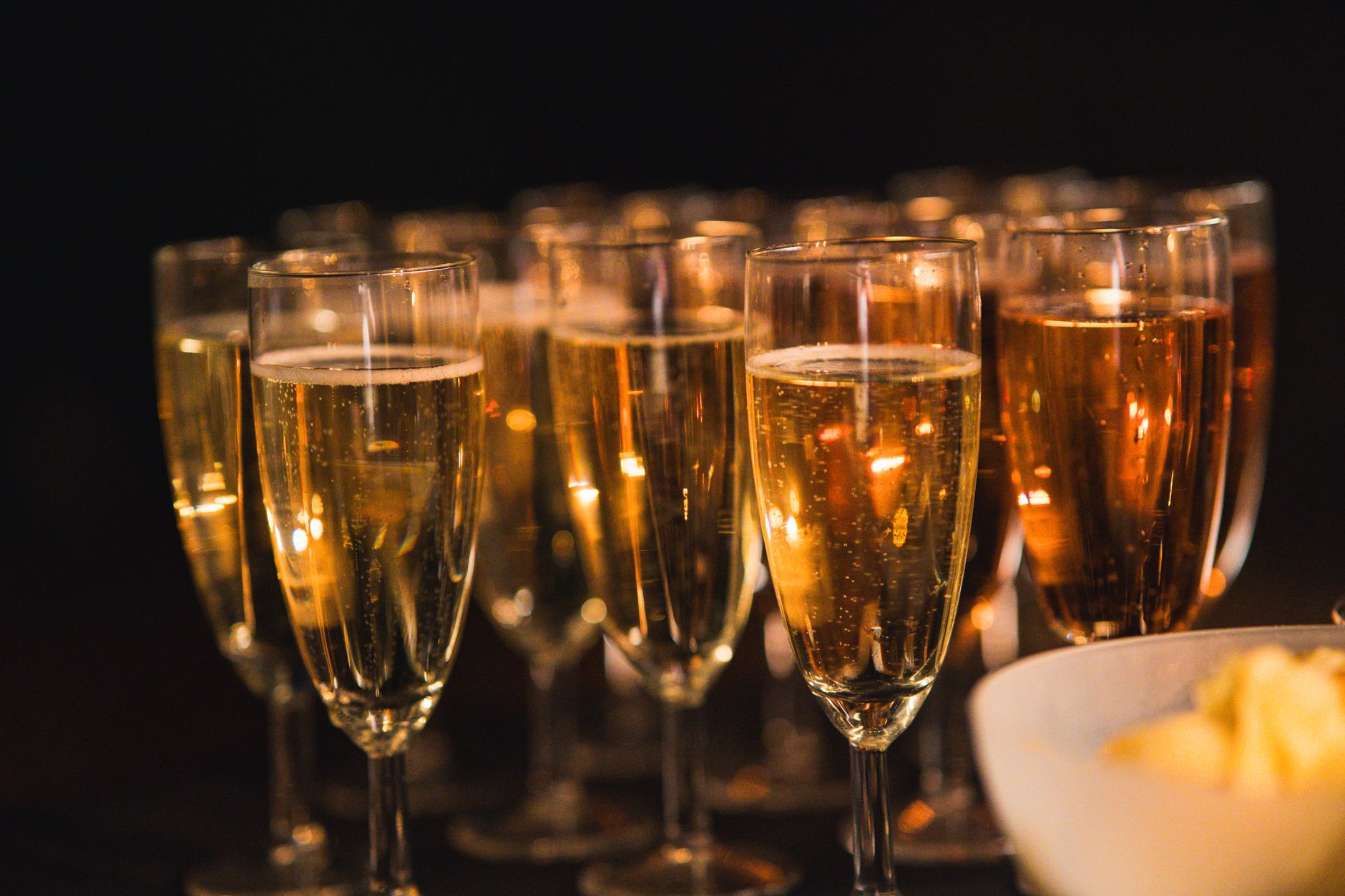
Many people enjoy celebrations with a glass of bubbly, unaware that “Champagne” and “sparkling wine” are often mistakenly used interchangeably. While both feature a delightful fizz, they are not the same. Understanding their distinctions will enhance your appreciation for these festive beverages and guide you in making informed choices during your next wine purchase.
In this article, we will explore the key differences between Champagne and sparkling wine, the making processes, the types of grapes used, and how to serve them properly. Whether you’re planning a special event or simply looking to expand your palate, this guide will equip you with everything you need to know.
Is Champagne and Sparkling Wine the Same?
No, Champagne and sparkling wine are not the same. Champagne is a specific type of sparkling wine that comes exclusively from the Champagne region of France and must adhere to strict regulations. While all Champagne is sparkling wine, not all sparkling wine qualifies as Champagne. The distinction lies in the production methods, geographical regions, and grape varietals used.
Understanding Sparkling Wine
To appreciate the nuances of Champagne, it’s essential to understand what constitutes sparkling wine. Sparkling wine refers to any wine that contains carbon dioxide, resulting in bubbles. This carbonation can occur either naturally through fermentation or artificially by adding carbon dioxide to still wine.
Sparkling wines are produced globally and vary greatly in flavor, style, and production methods. Some well-known types of sparkling wine include:
- Prosecco: Originating from Italy, this sparkling wine is primarily made from the Glera grape. It tends to be fruitier and lighter than Champagne and is often produced using the Charmat method, where fermentation occurs in large tanks.
- Cava: From Spain, Cava is made mostly from native Spanish grapes such as Macabeo, Xarel-lo, and Parellada. It uses the traditional method, similar to Champagne, and can offer various flavor profiles ranging from crisp to fruity.
- Franciacorta: Another Italian option, Franciacorta is made using the traditional method and is celebrated for its complexity and fine bubbles. It often uses Chardonnay and Pinot Nero grapes.
- American Sparkling Wine: Produced in regions like California, American sparkling wines vary in style and grape selection, often emulating the Champagne method while showcasing local characteristics.
What Makes Champagne Unique?
Champagne is special because of its strict production regulations and geographical requirements. Only sparkling wine from the Champagne region, made according to the rules of the appellation, can bear the name “Champagne”. Here are some essential features that make Champagne distinct:
1. Geographical Origin
Champagne must be produced in the Champagne region of France, located to the northeast of Paris. The unique terroir, characterized by chalky soil, a temperate climate, and specific vineyard practices, contributes to the characteristics associated with true Champagne.
2. Grape Varietals
Champagne is typically made using three primary grape varietals:
- Chardonnay: A white grape that adds elegance and finesse, leading to floral and citrus notes.
- Pinot Noir: A red grape that contributes body, structure, and dark fruit flavors.
- Pinot Meunier: A red grape known for its fruitiness and roundness, helping to balance the blend.
3. Traditional Method
Champagne must be produced using the traditional method (Méthode Champenoise), which includes a secondary fermentation in the bottle to create carbonation. This method involves several intricate steps:
- Primary Fermentation: The harvested grapes are pressed, and the juice is fermented into a still wine.
- Blending: Different wines are blended to create the desired style and complexity.
- Secondary Fermentation: A mixture of sugar and yeast, known as liqueur de tirage, is added, and the wine is bottled. A second fermentation occurs in the bottle, producing carbon dioxide bubbles.
- Riddling: Bottles are gradually tilted and rotated to collect sediment in the neck.
- Disgorgement: The neck is frozen, and the sediment is removed before sealing the bottle.
- Dosage: The bottle is topped with a mixture of sugar and wine to balance acidity before final corking.
The Flavors and Aromas
The flavor profiles of Champagne and sparkling wines can vary widely based on the grape varietals, region, and production methods. Here’s how they generally differ:
Champagne
Champagne often boasts a complex flavor profile that can include:
- Apple and pear
- Citrus notes
- Stone fruits such as peach and apricot
- Floral aromas
- Mineral and toasty notes from aging on the lees
High-quality Champagne can also exhibit yeasty, brioche-like flavors due to extended aging.
Sparking Wine
The flavors of sparkling wine will depend largely on its regional production and grape selection:
- Prosecco typically offers fruity and floral aromas, leaning towards citrus and green apple flavors, with a light, refreshing profile.
- Cava varieties can include notes of citrus, apple, and even almond, often complemented by a toasty or earthy aroma.
- American sparkling wines can range widely, reflecting the terroir and varietals used, leading to a diverse set of flavors.
Serving Champagne and Sparkling Wine
Knowing how to serve these beverages properly can elevate your drinking experience. Here are some tips for enjoying Champagne and sparkling wines:
1. Temperature
Champagne is best served chilled, ideally at a temperature between 45°F and 50°F (7°C to 10°C). Sparkling wines can vary; however, most are also best enjoyed chilled, though some may be served slightly warmer to bring out their aromas.
2. Glassware
Choose the right glass to enhance your drinking experience:
- Flute: The classic flute shape helps to concentrate the bubbles and aromas.
- Coupe: While stylish, coupes may cause bubbles to dissipate faster.
- Tulip Glass: The tulip shape combines the benefits of both, allowing aromatic retention while showcasing the bubbles.
3. Pouring Techniques
Pour Champagne gently to manage the bubbles. Tilt the glass at a 45-degree angle and pour slowly to minimize foam. Let the foam settle before topping off the glass.
Storage Guidelines
Proper storage is vital for maintaining the quality of Champagne and sparkling wines:
- Store bottles upright to prevent corks from drying out, but not for long-term storage.
- Keep bottles in a cool, dark place, ideally between 50°F and 60°F (10°C to 15°C).
- Avoid temperature fluctuations and exposure to direct sunlight, as these factors can damage the wine.
Common Misconceptions
Numerous myths surround Champagne and sparkling wine. Here are a few clarifications to keep in mind:
1. All Sparkling Wine is Champagne
As stated, while all Champagne is sparkling wine, not all sparkling wine qualifies as Champagne.
2. Cava and Prosecco are Low-Quality
Both Cava and Prosecco can be of high quality, offering excellent taste at a more accessible price point than Champagne.
3. Champagne is Only for Special Occasions
While Champagne is often associated with celebrations, it can be enjoyed anytime! Explore different styles and pairings for regular meals to discover new flavors.
What to Pair with Champagne and Sparkling Wine
1. Champagne
With its complexity and versatility, Champagne pairs well with a variety of dishes:
- Shellfish and seafood, such as oysters and shrimp
- Cheese, particularly Brie, Camembert, and aged Gouda
- Poultry dishes like roasted chicken or duck
- Vegetable dishes, especially those enriched with cream or cheese
2. Sparkling Wine
Similarly, different styles of sparkling wine can complement an array of foods:
- Prosecco pairs beautifully with light fare, including antipasti and salads
- Cava works well with spicy dishes, tapas, or charcuterie boards
- American sparkling wines often reflect their terroir, so pairing them with local cuisine can be enjoyable.
Conclusion
Understanding the differences between Champagne and sparkling wine allows for greater appreciation and enhances your drinking and dining experiences. Remember, while all Champagne is sparkling wine, the reverse is not true. Enjoy experimenting with both types and discover the vibrant world of bubbly.
For more ideas on food pairings and celebrations, explore our guides on wine and food pairings, sparkling cocktail recipes, or special occasion meal planning.