
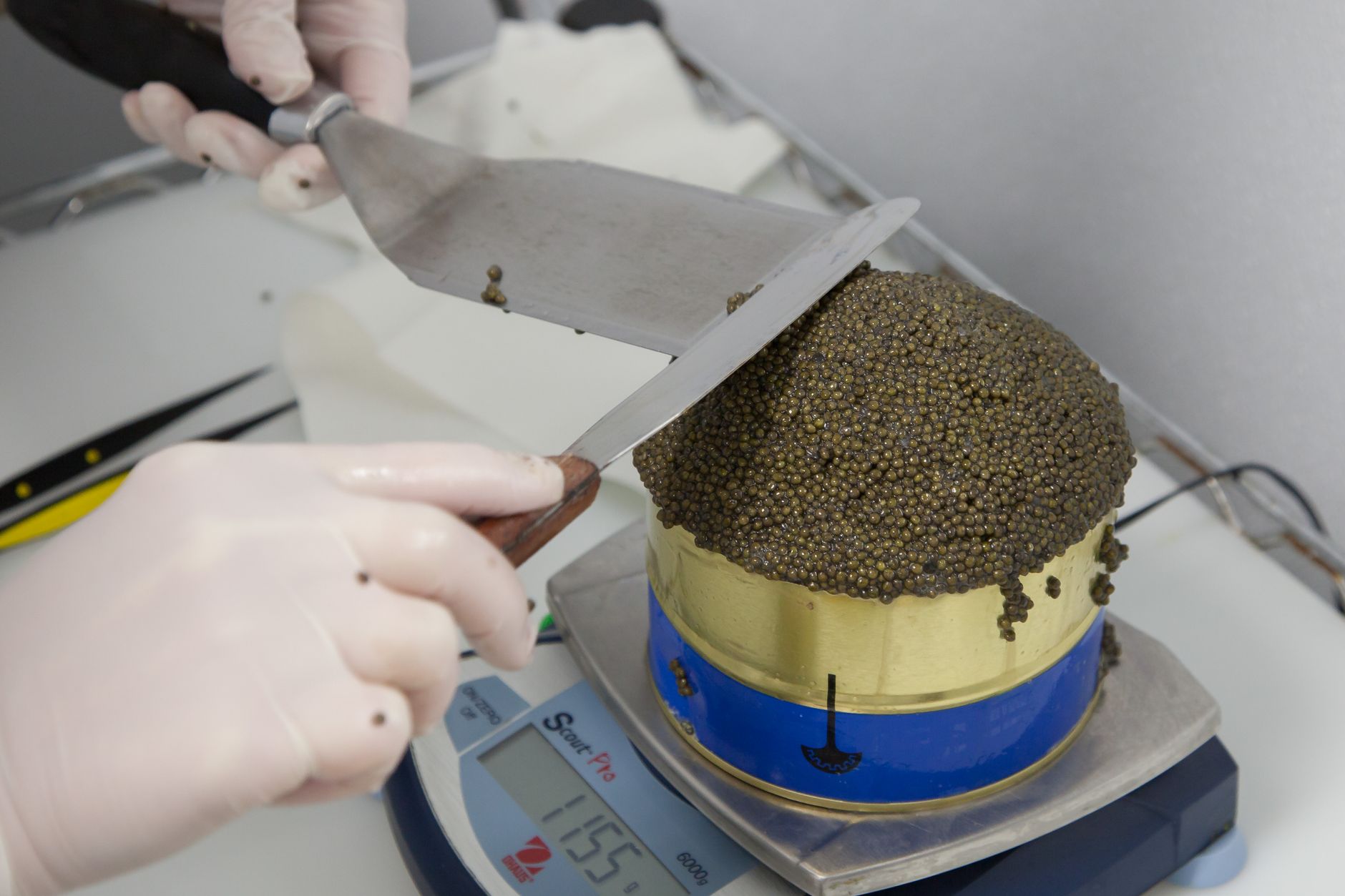
Caviar is often considered a luxury food product, making it a frequent choice for elegant appetizers, festive occasions, and gourmet dishes. Understanding caviar—its types, culinary uses, and serving suggestions—can elevate your dining experience and make it more accessible. In this guide, we will explore everything you need to know about caviar.
From its history and flavors to practical kitchen uses and creative serving ideas, this article will serve as your comprehensive resource on this exquisite ingredient.
What is Caviar?
Caviar refers to the salted eggs (roe) of various fish species, notably sturgeon. The most prestigious varieties, such as Beluga, Osetra, and Sevruga, are harvested primarily from sturgeon found in the Caspian and Black Seas. However, due to overfishing and diminishing habitats, sustainable aquaculture has led to the production of high-quality caviar from various other fish like salmon and paddlefish.
Types of Caviar
Here are some of the most popular types of caviar available in the market:
- Beluga Caviar: The most prized and expensive, with large, delicate pearls and a rich, buttery flavor.
- Osetra Caviar: Medium-sized eggs with a nutty flavor, ranging from golden to dark brown in color.
- Sevruga Caviar: Smaller, gray eggs with a more pronounced briny taste, known for a stronger flavor profile.
- Salmon Roe: Larger, bright orange eggs that are less expensive and have a poppy texture, often used in Japanese cuisine.
- Paddlefish Caviar: A more affordable alternative with a mild taste and medium-sized, gray to black eggs.
Flavor Profile and Texture
The flavor of caviar varies by type, but it generally offers a briny, buttery taste with a unique umami richness. The texture can range from soft and creamy to firm and popping, depending on the specific roe. Good quality caviar should not have a fishy odor; rather, it should smell like the sea.
Choosing High-Quality Caviar
When selecting caviar, the following factors can help you make an informed choice:
- Aroma: Fresh caviar should have a clean, oceanic scent.
- Appearance: Look for shiny, plump beads without discoloration or breakage.
- Source: Choose products from responsible farms or fisheries that follow sustainable practices.
- Packaging: Caviar is typically sold in glass jars, which preserve freshness better than tin cans.
Storing Caviar
Caviar is best enjoyed fresh, but it can be stored to maintain its quality. Follow these tips for proper storage:
- Keep caviar refrigerated at a temperature between 28°F to 32°F (-2°C to 0°C).
- Once opened, consume within 3-4 days for the best flavor and firmness.
- Avoid freezing, as it can alter the texture and flavor of the roe.
- Keep it tightly sealed to prevent exposure to air, which can spoil the caviar.
Kitchen Uses for Caviar
Caviar has various culinary applications beyond being a simple garnish. Here are several ways to use this gourmet ingredient in your cooking:
- As a Topping: Use caviar to elevate dishes like blinis, toast points, or baked potatoes.
- In Sauces: Stir caviar into a crème fraîche or sour cream base for a luxurious dip or sauce.
- In Salad: Add caviar on top of salads to enhance flavor with minimal effort.
- Pasta Dishes: Incorporate caviar into creamy pasta sauces, allowing it to be a finishing touch.
- With Seafood: Pair it with lobster, crab, or fish for a truly decadent dining experience.
Serving Caviar: Tips and Ideas
How you serve caviar can significantly impact the dining experience. Here are some effective serving ideas and tips:
Traditional Serving Methods
Traditionally, caviar is served with minimal accompaniment to allow the flavor to shine. Here are some classic serving suggestions:
- Use unsalted crackers or crostini as a base.
- Pair with a dollop of crème fraîche and accompanied with finely chopped red onions or chives.
- Serve alongside hard-boiled eggs, which can also be chopped and topped with caviar.
- Present caviar with a chilled spoon, preferably made of mother-of-pearl, glass, or plastic to avoid altering the taste.
Caviar and Drinks Pairing
Finding the perfect drink to accompany caviar can elevate the experience further. Here are some notable pairings:
- Champagne or sparkling wine complements caviar’s richness well, with the bubbles enhancing its texture.
- Dry white wines like Chardonnay or Sauvignon Blanc can also be a good match due to their acidity.
- Vodka is a traditional pairing; opt for high-quality, chilled vodka served neat.
- For a unique touch, consider pairing with gin, specifically varieties with herbal notes.
Creative Serving Ideas
Try out unique presentations to dazzle your guests:
- Serve small bowls of caviar on a charcuterie board alongside smoked salmon, gourmet cheeses, and artisanal breads.
- Incorporate caviar into sushi rolls, using it as a filling or garnish.
- Offer caviar as a topping on gourmet burgers, adding a touch of luxury.
- Combine with avocado in a more modern twist, presenting it in avocado halves.
Caviar Recipes
If you’re interested in experimenting with caviar in your cooking, consider incorporating it into these simple recipes.
Caviar and Blini
Blini are small Russian pancakes that serve as a perfect vehicle for caviar. This classic appetizer is rich in flavor and easy to prepare. Here’s how to make it:
- Yield: 12-15 blini
- Preparation time: 20 minutes
- Cooking time: 15 minutes
- Total time: 35 minutes
Ingredients
- 1 cup buckwheat flour
- 1 cup all-purpose flour
- 2 cups milk
- 1 tablespoon active dry yeast
- 2 eggs, separated
- 1 tablespoon sugar
- 1/4 teaspoon salt
- Butter for cooking
- Caviar for serving
- Crème fraîche (optional)
Method
- In a bowl, combine the buckwheat flour, all-purpose flour, and salt.
- In a separate bowl, warm the milk and dissolve the yeast and sugar. Let it sit for approximately 5 minutes until frothy.
- Whisk the egg yolks into the yeast mixture, then combine with the flour mixture. Mix until well combined.
- Cover the batter and allow it to rise in a warm area for about 1 hour until it doubles in size.
- Once risen, gently fold in the whipped egg whites.
- Heat a skillet over medium heat and lightly coat with butter.
- Pour a small spoonful of the batter onto the skillet, cooking until bubbles form on the surface, then flip and cook for another minute.
- Transfer to a plate and keep warm. Repeat with the remaining batter.
- Serve warm with a dollop of crème fraîche and a spoonful of caviar on top.
Salmon Roe Caviar Toast
Salmon roe is a more cost-effective option, and toast is the perfect base for a fast and delightful appetizer. Here’s a simple recipe:
- Yield: 4 servings
- Preparation time: 10 minutes
- Cooking time: 10 minutes
- Total time: 20 minutes
Ingredients
- 4 slices of fresh sourdough bread
- 1/2 cup cream cheese
- 1/4 cup fresh dill, chopped
- 1 cup salmon roe
- Capers for garnish (optional)
Method
- Toast the sourdough bread slices until golden brown.
- Spread a generous layer of cream cheese on each slice.
- Sprinkle fresh dill evenly on the cream cheese.
- Top with a spoonful of salmon roe, adding more as desired.
- Garnish with capers if desired and serve immediately.
Common Mistakes to Avoid
When working with caviar, a few common mistakes can detract from the experience:
- Don’t use metal utensils. They can alter the taste; opt for glass, mother-of-pearl, or plastic instead.
- Avoid microwaving caviar or using it in cooked dishes. Caviar is best served raw to appreciate its unique flavor.
- Provide ample temperature control. Serving caviar at the right temperature enhances its texture and flavor.
Caviar in Different Cuisines
Caviar’s versatility extends beyond traditional settings. Here are some examples of how it’s integrated into various culinary traditions:
- Russian Cuisine: Known for caviar served on blinis, hard-boiled eggs, or traditional dishes.
- Japanese Cuisine: Incorporating caviar into sushi for flavor enhancement.
- Italian Cuisine: Caviar as a topping on pastas and risottos, adding an elegant touch.
- Modern Fusion Cuisine: Innovative chefs use caviar creatively, pairing it with non-traditional ingredients.
Summary
Caviar is more than just a gourmet delicacy; it is an experience that enhances any dining occasion. By learning about its varieties, storage, culinary applications, and creative serving suggestions, you can easily incorporate this luxurious ingredient into your cooking. Whether it’s the classic blini or a modern twist with salmon roe, caviar can bring a touch of elegance to many dishes.
For more ideas on salty, delicious toppings, explore our lox recipe and delightful lox bagel recipe. Discover how to incorporate new flavors into your next meal!