
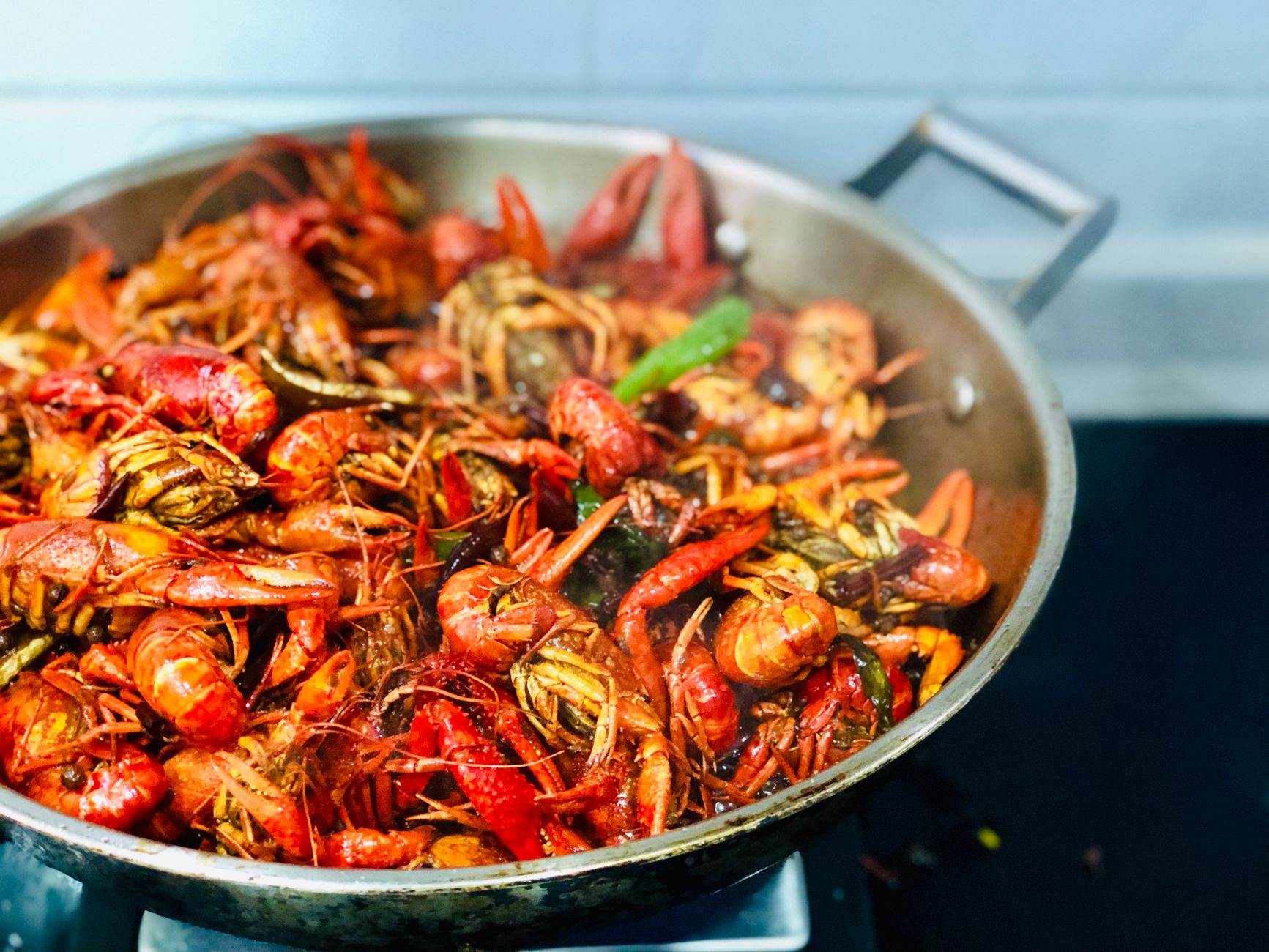
Cajun and Creole seasonings are essential components of Louisiana cuisine, reflecting different cultural influences and cooking styles. Although many people use these terms interchangeably, they are distinct in their flavor profiles, ingredients, and regional roots. Understanding these differences can enhance your culinary experience and help you choose the right seasoning for your dish.
This article explores the characteristics of Cajun and Creole seasonings, their specific ingredients, and how they influence the dishes they season. Whether you are looking to spice up a recipe or simply want to know more about these two popular blends, we’ve got you covered.
Is Cajun Seasoning the Same As Creole Seasoning?
No, Cajun seasoning is not the same as Creole seasoning. While both are flavorful blends used in Louisiana cooking, they have distinct differences in terms of ingredients, flavor, and overall culinary application.
Understanding Cajun Seasoning
Cajun seasoning is known for its bold, spicy flavor, attributed to the history and lifestyle of the Cajun people, who are descendants of Acadian exiles from Canada. This seasoning is often associated with rustic cooking and hearty dishes, reflecting the resourcefulness of Cajun cooks.
Key Ingredients in Cajun Seasoning
- Paprika: Provides a rich color and a mild sweetness.
- Cayenne Pepper: Adds heat and warmth to the blend.
- Garlic Powder: Contributes a savory depth of flavor.
- Onion Powder: Enhances the umami profile.
- Black Pepper: Offers an additional layer of spiciness.
- Thyme: Commonly used herb that adds earthiness.
- Oregano: Provides a warm, aromatic flavor.
Flavor Profile and Uses
The flavor profile of Cajun seasoning is characterized by its spiciness and robustness. Its blend of spices tends to be more straightforward compared to Creole seasoning. Cajun seasoning is often used in dishes like jambalaya, gumbo, and blackened fish or chicken. It complements a range of proteins and vegetables, highlighting their natural flavors with an honest kick.
Understanding Creole Seasoning
Creole seasoning reflects the cosmopolitan influences of New Orleans, where Spanish, French, African, and other cultures blend together. It is more complex and often includes a wider variety of ingredients than Cajun seasoning.
Key Ingredients in Creole Seasoning
- Paprika: Adds color and mild sweetness.
- Oregano: Provides an aromatic, warm flavor.
- Thyme: Contributes a distinct herbal note.
- Garlic Powder: Adds savory depth.
- Onion Powder: Enhances the umami profile.
- Black Pepper: Adds heat and spice.
- Celery Salt: Unique to Creole blends, providing a savory profile.
- Parsley: Freshens up the flavor.
- Cayenne Pepper: For heat, but often used in moderation compared to Cajun seasoning.
Flavor Profile and Uses
Creole seasoning tends to be more balanced in flavors, often combining heat with sweet and aromatic notes. It is commonly used in a variety of dishes, from seafood to stews, and sauces like etouffee and red beans and rice. The complexity of Creole seasoning makes it suitable for layered dishes, where the seasoning can marry well with other flavors.
Comparing Cajun and Creole Seasoning
When examining the differences between Cajun and Creole seasonings, consider the following attributes:
1. Ingredient Variety
Cajun seasoning features a more limited range of spices primarily focused on heat, while Creole seasoning includes additional herbs and flavors, making it more versatile.
2. Flavor Intensity
Cajun seasoning is typically spicier and more direct in flavor. In contrast, Creole seasoning balances heat, sweetness, and herbal notes, making it more nuanced.
3. Regional Influence
Cajun cuisine is often associated with rural, rustic cooking methods, while Creole cuisine reflects urban sophistication and multicultural influences, incorporating more subtle and diverse flavors.
How to Use Cajun and Creole Seasonings
Understanding how to effectively use both seasonings can elevate your cooking. Here are some tips for incorporating them into your dishes:
Using Cajun Seasoning
- Marinades: Use Cajun seasoning as a rub for meats, poultry, or fish before grilling or frying.
- Soups and Stews: Add Cajun seasoning to gumbo, jambalaya, or chili to enhance the flavors.
- Vegetable Dishes: Sprinkle on roasted or grilled vegetables for added heat.
- Spicy Dips: Mix with cream cheese or sour cream for a flavorful dip.
Using Creole Seasoning
- Sautéing: Use as a base when sautéing onions and bell peppers for dishes like gumbo or etouffee.
- Seafood Dishes: Season shrimp or crab dishes to enhance their natural flavors.
- Rice Dishes: Mix into rice or grains for added depth.
- Dressings and Sauces: Incorporate into dressings for salads or as a seasoning for sauces.
Practical Tips for Cooking with Seasonings
Here are some practical cooking tips to keep in mind when using Cajun or Creole seasonings:
1. Start Small
Both seasonings can be quite potent. Begin by adding a smaller amount than you think you need and adjust according to your taste preferences.
2. Toast Your Spices
To bring out the flavors of the spices, consider toasting them briefly in a dry skillet before adding them to your dish.
3. Balance Other Flavors
When using these seasonings, make sure to balance them with complementary flavors. Sweet, acidic, or creamy ingredients can help mellow out the spice.
4. Make Your Own Blends
Both Cajun and Creole seasonings are easy to customize. Experiment with various herbs and spices to create a blend that suits your palate.
5. Pay Attention to Cooking Techniques
Different cooking methods can enhance or subdue the flavor of seasoning blends. For instance, adding seasoning early in the cooking process allows flavors to develop, while adding it toward the end will keep the flavors fresher and brighter.
Common Mistakes to Avoid
As with any cooking endeavor, certain pitfalls can detract from your dish. Be mindful of these common mistakes when using Cajun or Creole seasonings:
1. Over-Seasoning
It’s easy to overshoot the mark with spices. Taste your dish as you cook and adjust as needed rather than dumping in a large amount at once.
2. Ignoring Ingredient Quality
The quality of spices can significantly impact flavor. Opt for fresh, high-quality spices and herbs for the best results.
3. Failing to Balance Spice with Other Flavors
As mentioned earlier, too much heat without balance can overpower your dish. Make sure to include other flavor components such as acidity or sweetness.
4. Not Experimenting
Don’t shy away from trying different combinations. Exploring the various possibilities can lead to delightful new flavor profiles.
Storage and Shelf Life
Proper storage of Cajun and Creole seasonings is essential to maintain freshness and potency. Here are some guidelines:
Storage Tips
- Keep your spice blends in airtight containers to prevent moisture and air exposure.
- Store in a cool, dark place away from heat sources such as stove tops and ovens.
- Label your containers with the date of preparation, as spice blends have a shelf life of about six months to one year, depending on their ingredients.
Signs of Spoilage
Spices often lose their flavor over time, so it’s essential to check for potency. If you notice a stale or off smell, or if the seasoning lacks flavor, it’s time to replace it.
Conclusion
In summary, while Cajun and Creole seasonings both embody the vibrant culinary tradition of Louisiana, they are distinct in their ingredients, flavor intensity, and cultural influences. Understanding these differences helps you make informed decisions in the kitchen, enhancing the flavors of your dishes.
To elevate your cooking further, consider exploring more about specific spice blends and cooking techniques that can enhance your culinary repertoire. Check out recipes like homemade chicken taco seasoning or learn about the unique flavors of Old Bay and Cajun seasoning.