
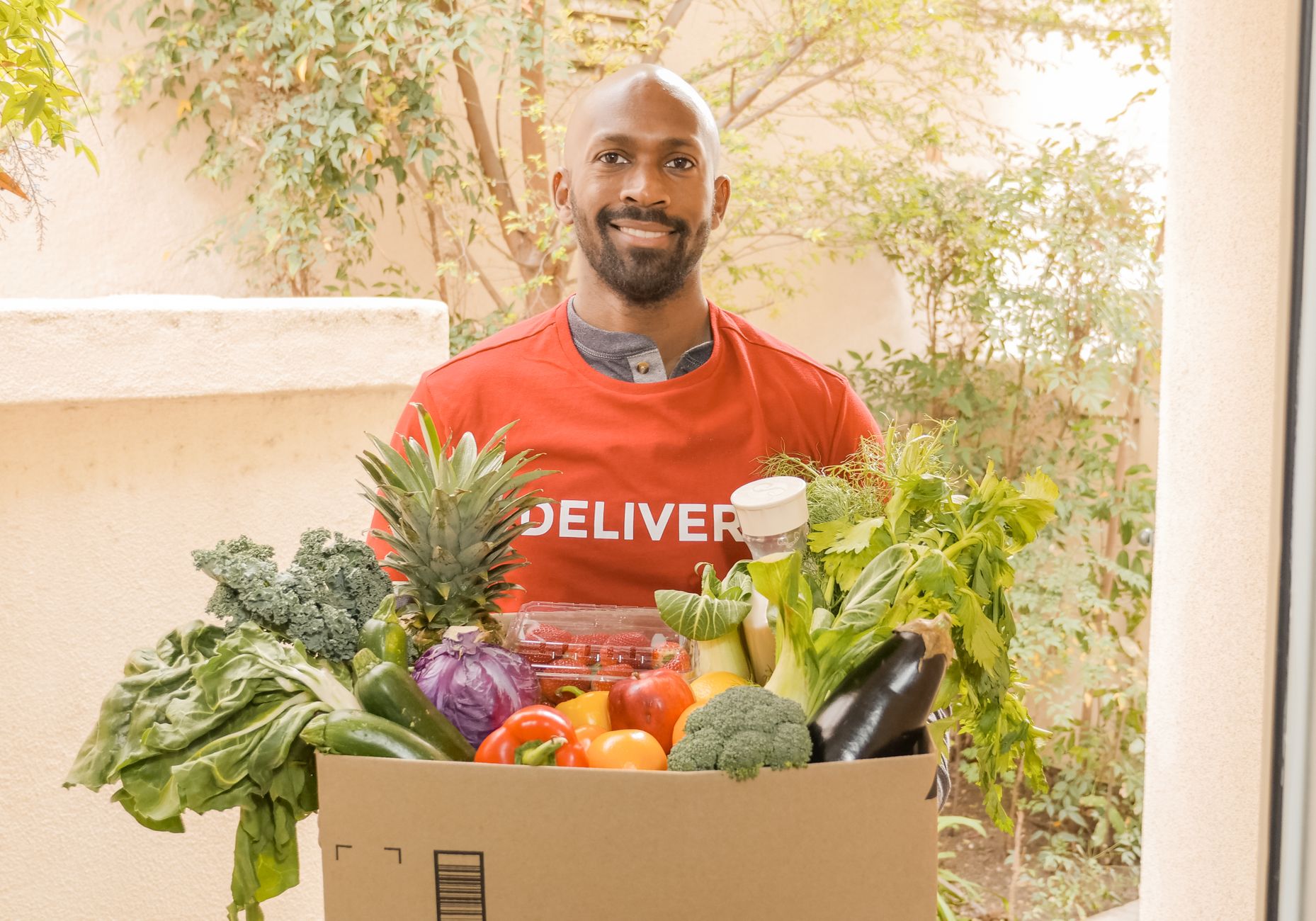
Amazon Fresh has transformed how consumers access their groceries, offering a convenient online shopping experience for fresh food. However, many shoppers wonder about the origins of these food products, from where they are sourced to how they are delivered to their doorsteps. Understanding where Amazon Fresh food comes from can offer insights into food quality, sustainability, and ethical sourcing practices.
This insightful guide will explore the origins and journey of Amazon Fresh food, detailing its supply chain, sourcing practices, and what consumers can do to make informed choices about their groceries.
Where Does Amazon Fresh Food Come From?
Amazon Fresh food comes from a diverse array of sources, including local and regional farms, large-scale agricultural producers, and global suppliers. The supply chain involves careful selection, transportation, and distribution, ensuring freshness and quality at every step.
The Supply Chain of Amazon Fresh Food
The journey of food from farm to table within the Amazon Fresh system involves several critical stages:
- Sourcing: Amazon partners with a mix of local farmers and larger agricultural companies to source fresh produce, meats, dairy, and pantry staples.
- Quality Control: Incoming products undergo rigorous quality checks to maintain Amazon’s freshness standards. This includes inspections for appearance, texture, and ripeness.
- Storage: Approved products are stored in Amazon’s fulfillment centers, equipped with climate control to preserve freshness. Items requiring refrigeration or freezing are kept in temperature-regulated areas.
- Order Fulfillment: Customers place orders online through the Amazon Fresh interface. Upon ordering, selected items are filled from the fulfillment center closest to the customer.
- Delivery: Fresh food is packaged and dispatched through Amazon’s delivery network, ensuring timely arrival at the customer’s location.
Sourcing Practices for Amazon Fresh Food
Amazon aims to provide products sourced from reliable suppliers while adhering to sustainability and ethical standards. The sourcing practices encompass various factors:
Local Sourcing
Where possible, Amazon Fresh emphasizes local sourcing to minimize transportation distances and enhance freshness. Local partnerships with farmers enable quicker turnover of seasonal goods, thereby benefiting local economies and reducing carbon footprints.
Global Suppliers
For items not available locally, Amazon partners with global suppliers. These suppliers undergo vetting processes to ensure they meet Amazon’s quality and sustainability standards. Practices such as ethical labor and environmentally friendly methods are prioritized.
Types of Fresh Foods Available at Amazon Fresh
Amazon Fresh offers a variety of fresh food categories, each with its own sourcing dynamics:
- Fruits and Vegetables: Seasonal produce is sourced from local farms, complemented by imports when necessary. Organic options are widely available.
- Meat and Seafood: Sourced from trusted ranchers and fisheries, Amazon offers a range of meats and seafood, including sustainably farmed options.
- Dairy Products: Milk, cheese, and yogurt come from local dairies as well as larger suppliers.
- Baked Goods: Bread and pastries are often sourced from local bakeries, ensuring freshness and quality.
Quality Assurance in Amazon Fresh Food
Quality assurance is a fundamental part of the sourcing process. Here’s how Amazon ensures that customers receive high-quality fresh foods:
Regular Inspections
Suppliers of both local and global products undergo regular audits. These inspections assess adherence to safety, freshness, and ethical practices.
Traceability
Amazon maintains detailed records of its suppliers, enabling traceability. If a safety concern arises, Amazon can quickly pinpoint the source and take appropriate actions.
Sustainable Practices
Amazon is committed to sustainability, encouraging suppliers to adopt sustainable farming practices. This includes using fewer pesticides, reducing water usage, and promoting biodiversity, which ultimately improves the quality of the food.
Importance of Freshness
Freshness is a key factor when it comes to food quality. Here’s how Amazon Fresh ensures that customers receive fresh products:
Efficient Logistics
With a focus on rapid fulfillment, Amazon’s logistics network ensures that perishable items spend minimal time in transit. This is crucial for maintaining freshness and quality.
Customer Feedback
Customer reviews and feedback play a significant role. Amazon actively monitors this feedback to address freshness concerns and improve sourcing strategies.
Understanding Organic and Non-Organic Choices
Amazon Fresh offers both organic and conventional food options. It’s essential for consumers to understand the differences and what they mean:
Organic Foods
Organic produce is grown without synthetic pesticides and fertilizers, offering a more natural product. Amazon’s organic offerings come from certified farmers committed to sustainable practices.
Conventional Foods
Conventional food typically refers to items grown with the use of synthetic fertilizers and pesticides. While these options are generally more affordable, consumers may wish to weigh the benefits and drawbacks based on personal preferences and values.
Shopping Tips for Fresh Food on Amazon
To make the most out of your Amazon Fresh shopping experience, consider these practical tips:
- Check Dates: Always review expiration or sell-by dates to ensure freshness.
- Look for Seasonal Produce: Seasonal items tend to be fresher and more flavorful.
- Read Reviews: Customer ratings can provide insights into product quality and taste.
- Explore Different Brands: Experiment with various brands to find your preferred products.
Making Ethical Choices
As consumers become increasingly conscious of their food choices, Amazon Fresh strives to offer ethically sourced options. Here are ways for customers to support ethical practices:
Support Local Farms
Purchasing locally sourced items can encourage sustainable farming practices and strengthen community economies.
Choose Certified Products
Look for certifications like Fair Trade or Certified Organic to ensure ethical sourcing practices.
Reduce Food Waste
Plan meals ahead of time and utilize grocery lists to avoid over-purchasing, which helps reduce food waste.
Consumer Responsibility
As an Amazon Fresh shopper, consumers play a pivotal role in influencing sourcing practices through their purchasing decisions. Here’s what you can do:
- Research Suppliers: Take the time to understand where your food comes from and the suppliers Amazon partners with.
- Provide Feedback: Share your thoughts on product quality and sustainability with Amazon, as customer input can lead to better sourcing practices.
- Advocate for Transparency: Encourage Amazon and its suppliers to maintain transparency about sourcing origins and practices.
Conclusion
Amazon Fresh offers a unique approach to grocery shopping, providing access to a wide range of fresh foods sourced from various partners. By understanding where these foods come from and the practices of both suppliers and Amazon, consumers can make informed choices that align with their values around quality, sustainability, and ethics. Make the most of your shopping experience by exploring local, seasonal options and keeping a watchful eye on the origins of what you purchase.
For more insights into food origins, storage tips, or to explore unique ingredients, check out our guides on what molasses is made from and the benefits of chia seeds.