
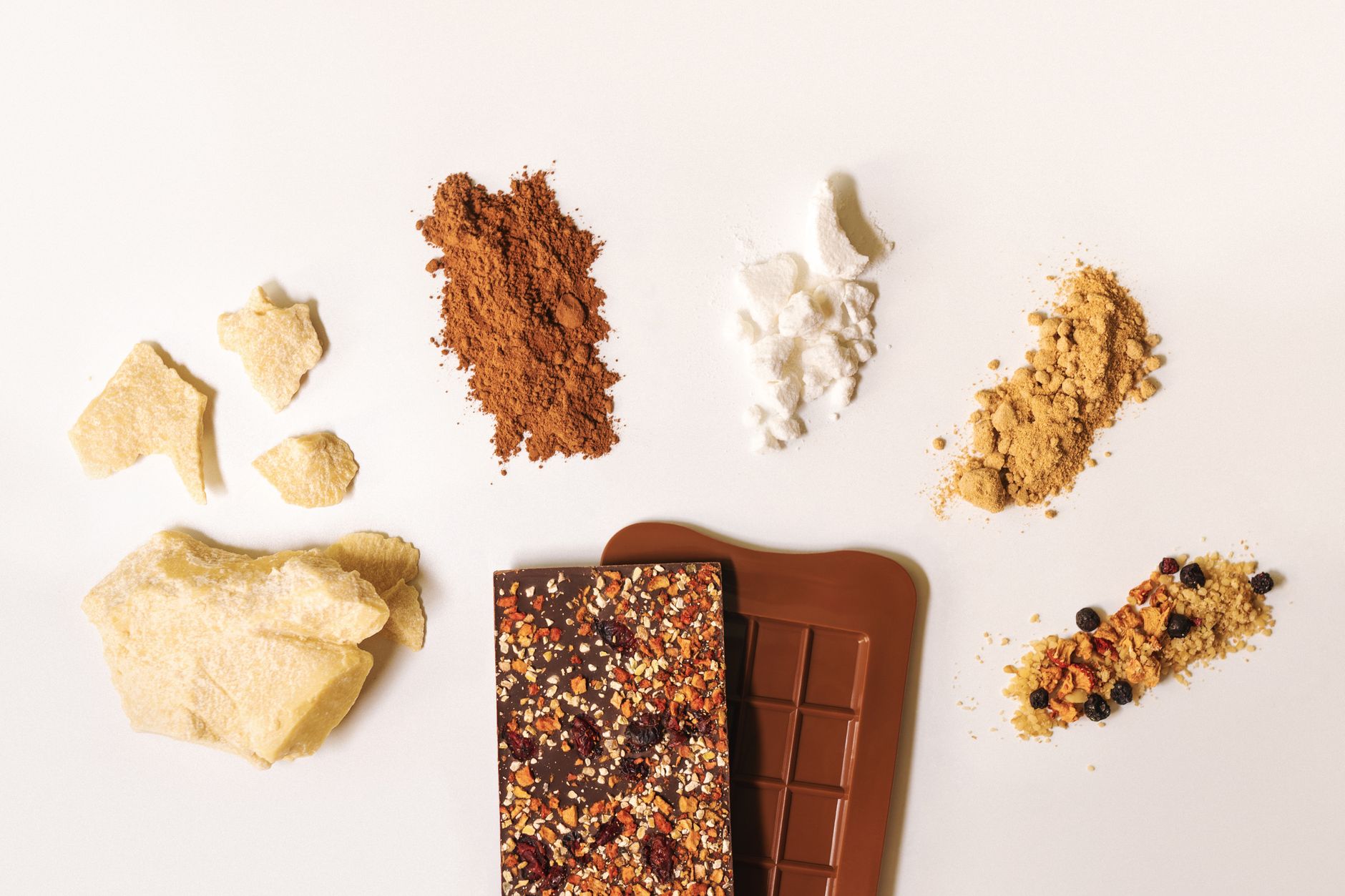
Cacao and chocolate are closely related, yet they are not the same. Cacao refers to the raw, unprocessed form of the cocoa bean, while chocolate is a processed product made from cacao beans. Understanding this distinction can help you appreciate the unique flavors and culinary uses of both ingredients.
In this article, we explore the definitions, uses, flavors, and forms of cacao and chocolate, providing insights on how to select quality products, incorporate them into recipes, and even some serving suggestions. Whether you’re looking to deepen your culinary expertise or simply understand what you’re consuming, this guide will help.
Is Cacao Chocolate?
Cacao is not chocolate; it is the raw ingredient from which chocolate is made. Cacao is derived from the Theobroma cacao tree beans, which undergo several processes to become chocolate. In essence, cacao refers to its unprocessed form, while chocolate is the result of fermenting, drying, roasting, and further processing the cacao beans.
Understanding Cacao: From Bean to Bar
To fully grasp the difference, let’s take a closer look at how cacao is processed into chocolate.
The Cacao Bean
- Harvesting: Cacao beans are harvested from the pods of the cacao tree. Each pod contains several beans surrounded by a sweet pulp.
- Fermentation: After harvesting, the beans are fermented for several days, allowing the flavors to develop. This step is crucial for determining the final flavor of the chocolate.
- Drying: Post fermentation, the beans are dried to reduce moisture and prepare them for transportation.
- Roasting: The dried beans are roasted to enhance their flavor. Roasting time and temperature can significantly affect the taste.
- Grinding: Once roasted, the beans are cracked open to remove the shells, leaving behind cacao nibs, which are then ground into a chocolate liquor. This process produces both cacao solids and cacao butter.
The Different Forms of Cacao and Chocolate
Cacao and chocolate come in various forms, each with its unique flavor profile and usage.
Cacao Forms
- Cacao Nibs: These are small pieces of crushed cacao beans. They have a strong, slightly bitter chocolate flavor and can be added to smoothies, oatmeal, or baked products.
- Cacao Powder: This is made by grinding cacao nibs into a fine powder, often used in baking and beverages. It retains many health benefits since it is minimally processed.
- Cacao Butter: The fat extracted from cacao beans, used in chocolate making and as a cooking fat. It has a mild chocolate flavor and is often used in desserts and skincare products.
Chocolate Forms
- Dark Chocolate: Contains a higher percentage of cacao solids and less sugar compared to other types. It has a rich flavor and is often considered healthier due to its higher antioxidant content.
- Milk Chocolate: Made with milk solids in addition to chocolate liquor, it is sweeter and creamier than dark chocolate.
- White Chocolate: Technically not chocolate as it contains no cacao solids – only cocoa butter, sugar, and milk solids. It has a sweet, creamy flavor.
Culinary Uses of Cacao and Chocolate
Understanding when to use cacao versus chocolate in your cooking can elevate your culinary creations. Here are some practical applications for both ingredients:
Using Cacao
- In Smoothies: Adding cacao powder or nibs to smoothies enhances both flavor and nutritional value, adding antioxidants without extra sugar.
- Baking: Substitute cacao powder for cocoa powder in recipes. This adds a more intense chocolate flavor and retains more nutrients.
- Raw Desserts: Incorporate cacao in energy balls, raw cheesecakes, or brownies for a healthy yet indulgent treat.
Using Chocolate
- Melted in Desserts: Chocolate can be melted and used for dipping fruits, coating desserts, or making ganache.
- In Baking: Chocolate chips or chunks can enhance cookies, brownies, and cakes. The form used can affect texture and flavor.
- Drinks: Use chocolate in hot cocoa mixes or as a drizzle over coffee and milkshakes for added flavor.
Flavor Profiles and Pairings
Cacao and chocolate each bring distinct flavor profiles to dishes. Understanding these can help in creating well-balanced recipes.
Cacao Flavor Profile
Cacao has a rich, deep chocolate flavor with earthy undertones. High-quality cacao has fruity, floral notes. When using cacao, consider pairing it with:
- Fruits: Berries, bananas, and cherries complement cacao’s bitterness beautifully.
- Nuts: Almonds, hazelnuts, and walnuts provide a delightful crunch and richness when paired with cacao.
- Spices: Cinnamon, cardamom, and vanilla can enhance the natural flavors of cacao.
Chocolate Flavor Profile
Chocolate flavors vary by type. Dark chocolate has a more robust flavor, while milk chocolate is sweeter and creamier. Pair chocolate with:
- Dairy: Milk, cream, or yogurt enhance the creaminess of chocolate-based desserts.
- Caramel: The sweetness of caramel complements chocolate’s bitterness.
- Spirits: Whisky, rum, or coffee make great pairings with dark chocolate in desserts and drinks.
Selecting Quality Cacao and Chocolate
Choosing high-quality products can significantly enhance your culinary results. Here are some tips for selecting cacao and chocolate.
Quality Indicators for Cacao
- Organic Certification: Opt for organic cacao to ensure no pesticides or chemicals are present.
- Processing Method: Cold-pressed cacao retains more nutrients than alkalized cacao.
- Flavor Profile: High-quality cacao has a rich aroma and a complex flavor profile.
Quality Indicators for Chocolate
- Cacao Percentage: For dark chocolate, look for a minimum of 70% cacao to appreciate the flavor.
- Ingredient List: Fewer ingredients usually indicate higher quality. Avoid chocolates with artificial flavors or high-fructose corn syrup.
- Brand Reputation: Consider brands that are known for ethical sourcing and quality standards.
Common Mistakes When Using Cacao and Chocolate
Even experienced cooks can run into issues when using cacao and chocolate. Here’s how to avoid common pitfalls.
Using Cacao
- Substituting Incorrectly: When swapping cacao powder for cocoa powder in a recipe, use a 1:1 ratio, but be cautious because cacao has a stronger flavor.
- Not Sifting: Cacao powder can clump, so always sift before measuring to ensure even distribution in batters.
Using Chocolate
- Overheating: When melting chocolate, use low heat and avoid water contamination to prevent seizing.
- Using Incorrect Types: Ensure the chocolate type matches the recipe; substituting dark chocolate with white will alter flavor and texture drastically.
Storage of Cacao and Chocolate
Proper storage ensures that cacao and chocolate maintain their flavors and freshness. Here are tips for storing both ingredients.
Storing Cacao
- Keep in a Cool, Dry Place: Store cacao powder and nibs in an airtight container in a cool, dry pantry away from light.
- Check for Freshness: Cacao materials can go stale. Use within 6-12 months after opening for optimal flavor.
Storing Chocolate
- Temperature: Store chocolate in a cool, dry place, ideally between 60-70°F (15-21°C).
- Avoid Fridge Storage: Refrigeration can cause condensation that affects texture and flavor. If necessary, wrap it well and allow it to return to room temperature before unwrapping.
Delicious Cacao and Chocolate Serving Ideas
Now that you’ve learned about cacao and chocolate, here are some delightful serving ideas to inspire your culinary creations.
Cacao Serving Ideas
- Energy Bites: Combine cacao powder, oats, nut butter, and honey to roll into energy bites.
- Hot Cacao: Prepare a warm beverage with cacao powder, almond milk, vanilla, and a touch of sweetener.
- Oatmeal Topping: Sprinkle cacao nibs over oatmeal or yogurt for breakfast or snacks.
Chocolate Serving Ideas
- Chocolate Fondue: Melt dark chocolate and serve it as a dip for fruits, marshmallows, and cookies.
- Baking Bars: Use chocolate bars or chips in cookies, brownies, or cakes to deliver a rich taste.
- Chocolate-Covered Treats: Dip pretzels or fruits in melted chocolate and let them cool for a sweet and salty treat.
Cacao vs. Chocolate in Diets
Cacao and chocolate may fit differently into dietary plans. Here are some considerations:
Health Benefits of Cacao
Cacao is celebrated for its potential health benefits. It contains high levels of antioxidants, magnesium, and flavonoids, making it a popular choice in health foods.
Impact of Chocolate
While chocolate can offer similar benefits, it often contains added sugar and fat. Opt for dark chocolate for healthier options. Always read labels to understand what you are consuming.
Conclusion
Understanding the distinction between cacao and chocolate, along with their respective culinary applications, can enhance your cooking and baking endeavors. Always choose quality products, and experiment with both cacao and chocolate to discover the delightful flavors they can bring to your dishes.
Explore related recipes and tips by checking out our Mexican Hot Chocolate Recipe and learn whether chocolate is vegan.