
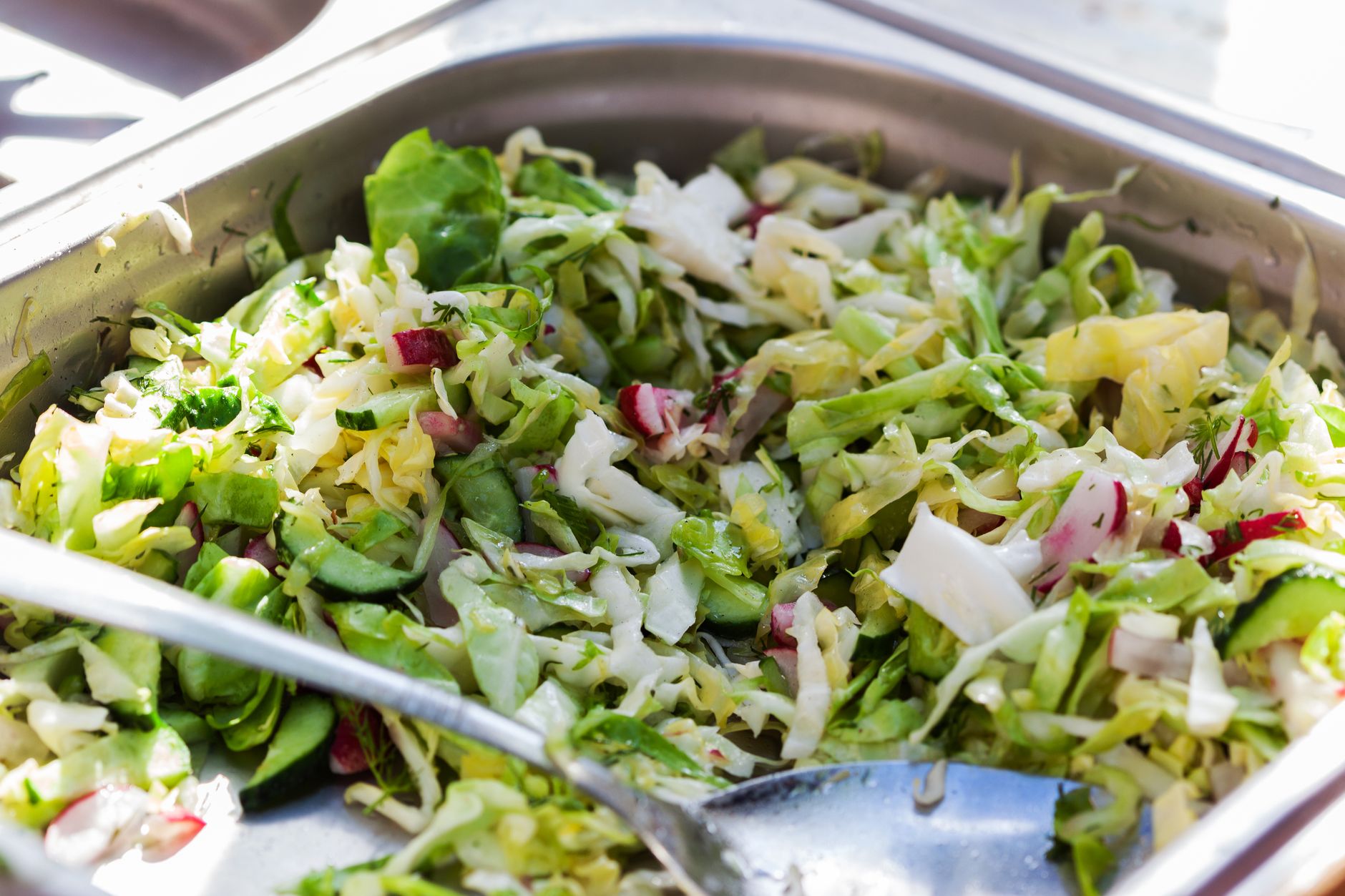
Cabbage and lettuce are both popular leafy vegetables that contribute to a variety of salads, dishes, and culinary traditions globally. However, while they may appear similar in some respects, they belong to different species and possess distinct characteristics. This article delves into the key differences between cabbage and lettuce, their nutritional values, culinary uses, and even tips for incorporating them into your dishes.
By exploring the unique qualities of cabbage and lettuce, you can enhance your cooking with informed choices and creativity in the kitchen. Whether you’re planning a crisp salad or a hearty side dish, understanding these two vegetables is essential.
Is Cabbage Lettuce?
No, cabbage is not lettuce. While both belong to the brassica family, cabbage (Brassica oleracea var. capitata) and lettuce (Lactuca sativa) are different species with distinct textures, flavors, and culinary usages. Cabbage is typically denser and has a more robust flavor, while lettuce is lighter and has a crisp and refreshing taste.
Understanding Cabbage
Cabbage is a hardy vegetable known for its dense, round head of tightly packed leaves. It comes in various colors and types, including green, red, and savoy cabbage. Cabbage is rich in vitamins and provides numerous health benefits.
Nutritional Value of Cabbage
Cabbage is low in calories and high in nutrients, making it an excellent addition to a balanced diet. Here are some key nutritional components per 100 grams of raw cabbage:
- Calories: 25
- Protein: 1.3 grams
- Carbohydrates: 5.8 grams
- Dietary Fiber: 2.5 grams
- Vitamin C: 60% of the Daily Value (DV)
- Vitamin K: 76% of the DV
- Folate: 25% of the DV
Culinary Uses of Cabbage
Cabbage can be prepared and served in a variety of ways. Here are some popular uses:
- Coleslaw: Shredded cabbage mixed with a tangy dressing is a classic side dish.
- Stir-Frying: Cabbage can be stir-fried with different vegetables and proteins for a quick meal.
- Fermentation: Sauerkraut and kimchi are nutrient-rich fermented dishes made from cabbage.
- Soups and Stews: Cabbage adds flavor and texture to a variety of soups and stews.
Tips for Cooking with Cabbage
When cooking with cabbage, consider the following tips:
- Choose fresh heads with firm leaves and no bruising.
- Store cabbage in the refrigerator to maintain freshness for up to two weeks.
- Cut cabbage just before use to minimize nutrient loss.
- To reduce bitterness in cooked cabbage, blanch it briefly before further cooking.
Understanding Lettuce
Lettuce is a leafy green vegetable commonly used in salads, sandwiches, and wraps. It has a milder flavor compared to cabbage and is often characterized by its crisp texture. Lettuce comes in several varieties, including romaine, iceberg, butterhead, and loose-leaf.
Nutritional Value of Lettuce
Lettuce, while low in calories, is a good source of several nutrients. Here is the nutritional breakdown per 100 grams of raw lettuce (varies by type):
- Calories: 15
- Protein: 1.4 grams
- Carbohydrates: 2.9 grams
- Dietary Fiber: 1.3 grams
- Vitamin A: 81% of the DV
- Vitamin K: 126% of the DV
- Folic Acid: 18% of the DV
Culinary Uses of Lettuce
Lettuce is versatile and can be used in various culinary applications:
- Salads: A key ingredient in green salads, combining different types for added texture and flavor.
- Wraps: Large lettuce leaves can wrap fillings for low-carb alternatives to tortillas.
- Garnish: Used as a garnish for plates to add color and freshness.
- Soups: Certain types can be lightly cooked in soups for added nutrition and subtle flavor.
Tips for Cooking with Lettuce
To get the most out of your lettuce, keep these tips in mind:
- Choose crisp, vibrant heads with no wilting or browning.
- Store lettuce wrapped in a damp paper towel in the refrigerator to prolong freshness.
- Wash and dry lettuce thoroughly to remove dirt and pesticides before use.
- Use lettuce raw or lightly cooked to maintain its crispness and nutrients.
Comparing Cabbage and Lettuce
While both cabbage and lettuce share similarities as leafy greens, they have notable differences in appearance, taste, texture, and nutritional value.
Appearance and Texture
Cabbage features tight, compact heads with thicker leaves that range from green to purple. The leaves are crisp yet dense. In contrast, lettuce varieties exhibit looser leaves with a softer texture, ranging in color from pale green to dark red.
Taste Profile
Cabbage has a more pronounced and often slightly peppery flavor, making it suitable for cooked dishes where a stronger taste is desired. Lettuce has a delicate and refreshing flavor that shines in raw applications like salads and sandwiches.
Nutritional Comparison
Both vegetables boast impressive health benefits. Cabbage is particularly high in vitamin C and K, while lettuce is generally lower in calories and offers a high dose of vitamin A. Depending on your dietary needs, one may be more beneficial than the other.
Cooking Techniques for Cabbage and Lettuce
Various cooking techniques can transform cabbage and lettuce into delicious dishes. Below, we discuss effective methods for each vegetable.
Cooking Cabbage
- Boiling: Bring a pot of salted water to a boil. Cut the cabbage into wedges and boil for 5-10 minutes until tender. Drain and serve with butter and seasonings.
- Stir-Frying: Heat oil in a large pan over medium-high heat. Add sliced cabbage and stir-fry for 4-7 minutes until just tender. Season as desired.
- Roasting: Preheat the oven to 425°F (220°C). Cut cabbage into wedges, toss with olive oil, salt, and pepper, and roast for 20-25 minutes until caramelized.
- Fermentation: To make sauerkraut, finely shred cabbage and mix it with salt. Pack it tightly into a jar, allowing it to ferment for several weeks. The result is a tangy, probiotic-rich food.
Cooking Lettuce
- Wilting: Quickly wilting lettuce in a hot pan with a small amount of oil can create a unique texture and increase its flavor profile. Just a minute or two of heating is enough.
- Incorporating into Soups: Add chopped lettuce during the last few minutes of cooking to retain its texture while enhancing flavor.
Substituting Cabbage and Lettuce
If you find yourself without cabbage or lettuce, there are suitable alternatives depending on your dish. Here are some quick suggestions:
Cabbage Substitutes
- Brussels Sprouts: Shredded or halved, they can mimic the flavor and texture of cabbage in various dishes.
- Collard Greens: While more robust, they can provide similar nutritional benefits and flavor when cooked.
- Kale: A leafy green that can stand in for cabbage, particularly in salads or sautéed dishes.
Lettuce Substitutes
- Spinach: A versatile leafy green that works well raw in salads or cooked in other dishes.
- Swiss Chard: With a slightly earthier flavor, it can replace lettuce in both salads and cooked applications.
- Arugula: Adds a peppery kick to dishes and can replace certain types of lettuce in salads.
Common Mistakes with Cabbage and Lettuce
To ensure the best results when working with cabbage and lettuce, be aware of these common mistakes:
Cabbage Mistakes
- Overcooking: Cabbage should be cooked until just tender to maintain its nutrients and texture.
- Not seasoning enough: Cabbage can benefit from a solid seasoning to enhance its natural flavors.
- Ignoring freshness: Ensure the cabbage is fresh, as older cabbage can become bitter and lose its crispness.
Lettuce Mistakes
- Washing at the wrong time: Wash lettuce before storage to help it stay crisp, but avoid washing if it’s already wet.
- Using wilted leaves: Always select fresh, vibrant leaves for salads and finishing garnishes.
- Not drying properly: Wet lettuce can lead to soggy salads; use a salad spinner or paper towels to dry leaves.
Storage Tips for Cabbage and Lettuce
Proper storage techniques can extend the shelf life of both cabbage and lettuce. Follow these guidelines:
Storing Cabbage
- Keep cabbage uncut in the refrigerator, where it can last for up to two weeks.
- Wrap in a damp paper towel and place it in a plastic bag to maintain moisture without causings wilting.
- If cut, store in an airtight container to reduce exposure to air and maintain freshness.
Storing Lettuce
- Remove any damaged leaves before storing.
- Wrap leaves in damp paper towels and place them in a plastic bag to avoid moisture loss.
- Use a salad spinner to dry thoroughly after washing, as this helps it stay crisp for longer.
Final Thoughts
Cabbage and lettuce, while fundamentally different, both hold valuable places in our diets. Understanding their unique attributes allows for a more effective and creative approach to meal preparation. Whether you’re crafting a crunchy slaw, tossing a fresh salad, or simmering a satisfying soup, these leafy greens can contribute to a nutritious and flavorful meal.
Take the opportunity to experiment with both cabbage and lettuce in your cooking, applying the techniques and tips outlined here. Get ready to enjoy the versatility of these beloved vegetables.
Explore related recipes such as cabbage boil and sausage and cabbage for further inspiration in your culinary endeavors.