
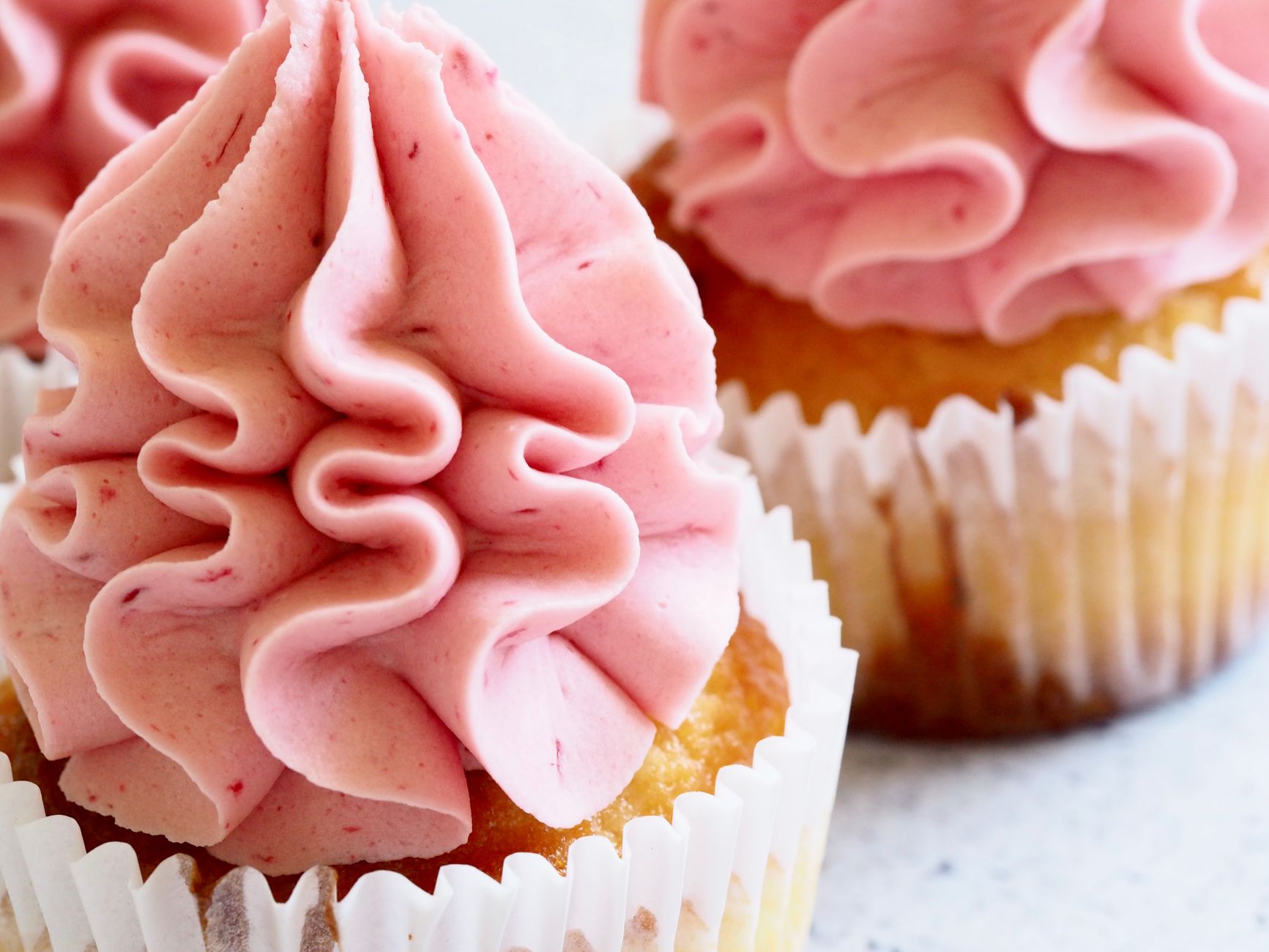
When it comes to desserts, buttercream frosting is a favorite for many due to its creamy texture and sweet flavor. Whether you’re decorating cupcakes or cakes, understanding if buttercream frosting is gluten free is essential for those with dietary restrictions. In this article, we will explore the components of buttercream frosting, identify any potential gluten sources, and provide tips for making gluten-free options.
The world of baking often intersects with dietary needs, making it imperative to know which ingredients are safe. We’ll cover what gluten is, the common ingredients found in buttercream frosting, and how to ensure your frosting remains gluten free.
Is Buttercream Frosting Gluten Free?
Yes, buttercream frosting can be gluten free, but it depends primarily on the ingredients used. Traditional buttercream is made from butter, powdered sugar, and flavoring agents, all of which typically do not contain gluten. However, be cautious, as certain flavorings and additives may introduce gluten.
Understanding Gluten and Its Sources
Gluten is a protein found in wheat, barley, and rye. It acts as a binder in many baked goods, providing structure and elasticity. For individuals with celiac disease or gluten intolerance, consuming gluten can lead to severe health issues. Thus, it’s crucial to understand where gluten might be hiding.
Common Ingredients in Buttercream Frosting
- Butter: This primary ingredient is naturally gluten free.
- Powdered Sugar: Often made from sugar and cornstarch, powdered sugar is usually gluten free. However, it’s essential to verify the brand.
- Vanilla Extract: Pure vanilla extract is gluten free, but some imitation vanilla flavors may contain gluten. Always check the label.
- Cocoa Powder: If using chocolate buttercream, ensure cocoa powder is gluten free, as some brands may process their cocoa with gluten-containing products.
- Milk or Cream: Both of these dairy products are gluten free.
Label Reading Tips for Gluten-Free Ingredients
When shopping for ingredients, following a few guidelines can help ensure that they are gluten free:
- Look for labels that clearly state “gluten free.” This certification is a strong indication that the product has been tested and deemed safe.
- Check for allergens and cross-contamination notices that may indicate the presence of gluten.
- Be wary of products labeled as “natural flavors” or “spices,” as these can sometimes contain gluten.
Making Your Own Gluten-Free Buttercream Frosting
Creating a gluten-free buttercream frosting at home allows you to control every ingredient. Here’s a simple recipe to make gluten-free buttercream that you can use for decorating cakes and cupcakes.
Gluten-Free Buttercream Frosting Recipe
Yields: About 2 cups
Preparation time: 10 minutes
Ingredients:
- 1 cup (2 sticks) unsalted butter, softened
- 4 cups powdered sugar (ensure it’s gluten free)
- 2 teaspoons pure vanilla extract or any other gluten-free flavoring
- 2-4 tablespoons milk or heavy cream (adjust for desired consistency)
Essential Equipment
- Mixing bowl
- Electric mixer or whisk
- Spatula
- Measuring cups and spoons
Step-by-Step Instructions
- In a mixing bowl, beat the softened butter on medium speed until creamy and pale in color, about 2-3 minutes.
- Add 4 cups of powdered sugar gradually, mixing on low speed to avoid a sugar cloud.
- Once the sugar is incorporated, add the vanilla extract.
- Gradually add the milk or cream, beating on medium speed until you reach the desired consistency, typically a fluffy texture.
- Scrape down the sides of the bowl as necessary, and taste to adjust sweetness and flavor.
Common Mistakes When Making Buttercream Frosting
Here are some pitfalls to watch for when making buttercream frosting:
- Overbeating: Beating the buttercream for too long can create a thin, gooey frosting, leading to less stability, especially in warm environments.
- Using Cold Butter: Cold butter does not blend well; ensure your butter is adequately softened.
- Failing to Sift Sugar: If you skip sifting powdered sugar, you risk lumps in your frosting.
Flavors and Variations for Buttercream Frosting
Buttercream frosting is versatile and can be customized in many ways. Here are some gluten-free options:
- Chocolate Buttercream: Add ½ cup of unsweetened cocoa powder to the recipe above while mixing in the powdered sugar.
- Fruit Flavored Buttercream: Incorporate pureed strawberries or other gluten-free fruit purees, adjusting the sugar to compensate for added sweetness.
- Nutella Buttercream: For a hazelnut chocolate flavor, add gluten-free Nutella into the base frosting.
Serving Suggestions and Decoration Tips
Once you’ve prepared your gluten-free buttercream, you can use it to decorate cakes, cookies, and cupcakes. Here are a few serving tips:
- Use a piping bag and various nozzle tips to create decorative swirls and patterns.
- Store any leftover buttercream in an airtight container; it can be kept in the refrigerator for up to a week.
- Remember to allow refrigerated buttercream to return to room temperature before using it again.
Storage and Shelf Life
Proper storage is essential to maintain the quality of your buttercream frosting. Here’s how to store it:
- In the Refrigerator: Store buttercream in an airtight container for up to one week. Let it soften to room temperature before using.
- In the Freezer: Buttercream can be frozen for up to three months. Place it in a freezer-safe container, label with the date, and thaw in the refrigerator overnight before using.
How to Ensure Your Party or Event is Gluten Free
If you are hosting a gathering where gluten sensitivities are a concern, consider these strategies:
- Provide clear labeling for all food items, especially desserts.
- Keep gluten-containing products separate from gluten-free options during preparation to avoid cross-contamination.
- Communicate clearly with guests regarding gluten-free offerings to alleviate concerns.
Conclusion
Buttercream frosting can be gluten free, making it an excellent choice for those with gluten sensitivities. By understanding the ingredients and ensuring proper preparation, you can create delicious gluten-free buttercream frosting perfect for any occasion. Armed with this knowledge, you can confidently whip up a beautiful and tasty dessert, ensuring that everyone at your table can enjoy it.
For more baking inspiration, explore our gluten-free cupcake recipe and check out our gluten-free waffle recipe for delightful treats suitable for all dietary preferences.