
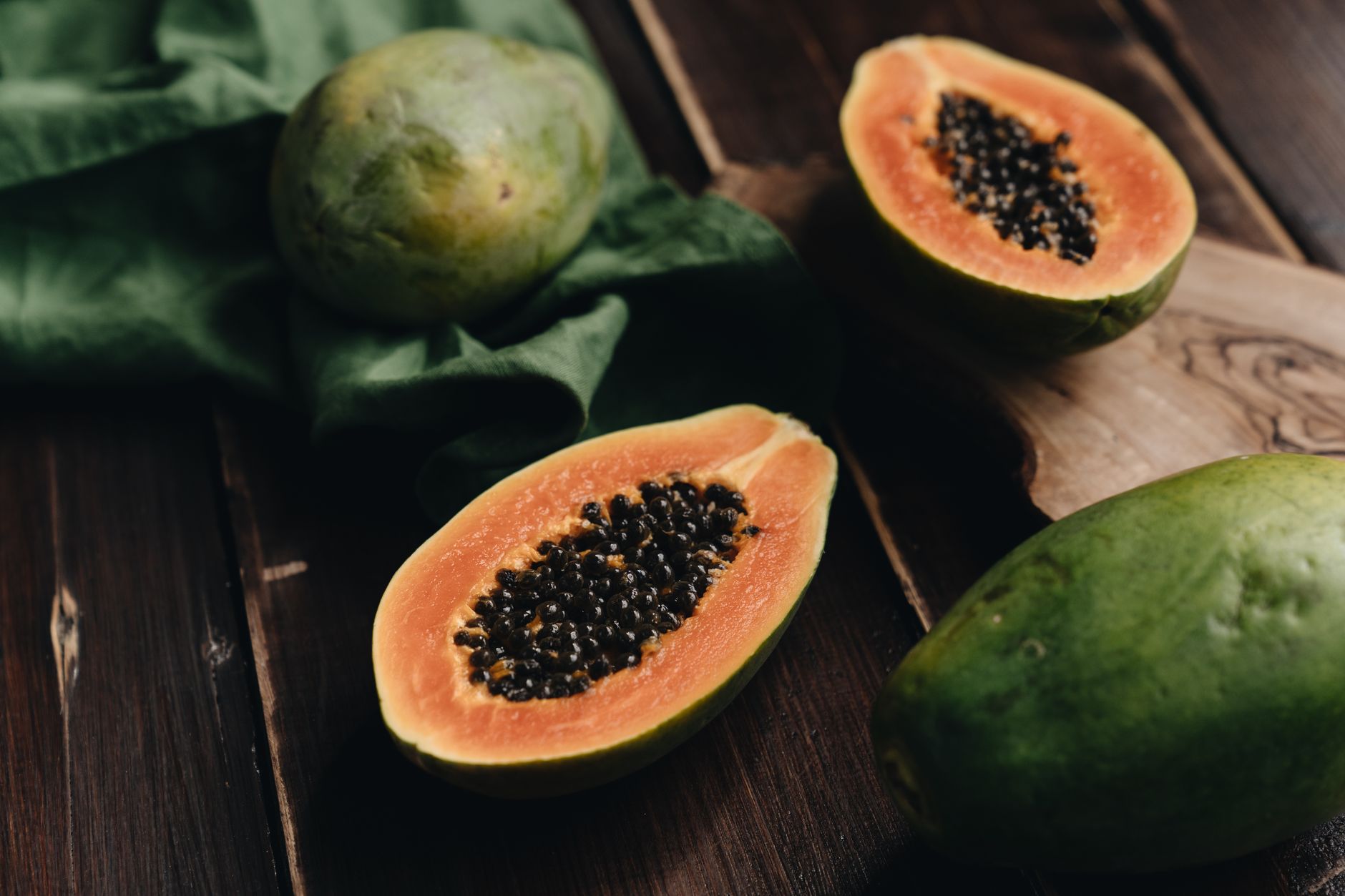
When you encounter papaya, one of the first aspects to consider is its captivating aroma. The scent of papaya can heavily influence how it is perceived in both culinary and fresh fruit contexts. Understanding what papaya smells like, along with its appearance and signs of spoilage, will help you select, store, and enjoy this unique tropical fruit.
Papaya has a complex aroma that can range from sweet and floral to slightly musky, depending on its ripeness and cultivar. Recognizing these distinct characteristics can enhance your culinary experiences, whether you’re incorporating papaya into smoothies, salads, desserts, or enjoying it on its own.
What Does Papaya Smell Like?
The smell of papaya is often described as fresh and sweet, with a hint of floral undertones. A ripe papaya emits a strong, tropical fruit aroma that is similar to that of melons, such as cantaloupe, but possesses its unique, rich notes. When you cut into a ripe papaya, the fragrance becomes more pronounced, enveloping the space with its aromatic essence.
Unripe papaya has a less intense aroma, often described as slightly grassy or starchy. As it matures, the scent evolves, becoming more fragrant and inviting, which appeals to many as it signals sweetness and ripeness. The scent profile is a vital cue for determining the fruit’s stage of ripeness, an essential factor in culinary applications.
Understanding Papaya’s Aroma Profile
The aroma profile of papaya is influenced by various chemical compounds. These compounds contribute to its characteristic smell and flavor, which can vary among papaya varieties. Here are some key components that affect the aroma:
- Esters: These compounds are responsible for the sweet and fruity aroma. They develop as the papaya ripens.
- Terpenes: Contributing to the fruity and floral notes, terpenes enhance the overall complexity of papaya’s scent.
- Aldehydes: Present in lesser amounts, they can add depth to the aroma, often giving a slightly spicy or musky undertone.
The Color and Texture of Papaya
The appearance of papaya is as striking as its smell. When choosing a papaya, consider these characteristics:
- Skin Color: Ripe papaya typically has a yellow or golden hue, often with some green patches. An overripe fruit may turn more orange. Unripe papaya is predominantly green.
- Texture: The skin should be slightly soft to the touch when ripe. A firm surface indicates that the fruit is still unripe.
- Flesh Color: Inside, the flesh usually ranges from deep orange to salmon pink, depending on the variety.
- Seeds: The small, black seeds are encased in the center of the fruit and are edible, offering a peppery flavor.
Identifying Ripe Papaya
- Aroma: A strong, sweet scent signals that the fruit is ripe. The stronger the aroma, the riper the fruit.
- Touch: Ripe papaya will give slightly when pressed, but it shouldn’t be too mushy.
- Color: Look for a mostly yellow or golden skin, with some traces of green. The more yellow the skin, the riper the fruit.
- Shape: A round shape indicates ripeness, while a more elongated shape may mean it is still unripe.
Signs of Spoilage
- Color Changes: If the skin begins to darken excessively or develops dark spots, it’s a sign that the fruit is overripened.
- Texture Changes: While ripe papaya is soft, if it feels excessively mushy or appears wrinkled, it’s likely past its prime.
- Smell: An off smell, particularly a sour or fermented odor, indicates spoilage.
- Flesh Appearance: Brown or black patches on the flesh can also signal that the fruit has started to spoil.
Storing Papaya: How to Keep It Fresh
Proper storage of papaya can prolong its freshness and maintain its delightful aroma and flavor. Here are some tips on how to store papaya:
Storing Whole Papaya
Whole, unripe papayas can be stored at room temperature until they ripen. Once they ripen, store them in the refrigerator to slow down the deterioration process. Here’s how to do it:
- Keep the papaya at room temperature, away from direct sunlight, until ripe.
- Once ripe, store in a paper bag in the fridge. This can help it retain its moisture.
- Consume within a few days for the best flavor and texture.
Storing Cut Papaya
Once you cut into a papaya, the exposed fruit will require special care:
- Cover the exposed flesh with plastic wrap to minimize oxidation and moisture loss.
- Store in an airtight container in the refrigerator.
- Consume within a day or two, as cut fruit is more perishable.
Using Papaya in Recipes
Due to its unique smell and sweet flavor, papaya can be a refreshing addition to various dishes. Here are some ideas on how to incorporate papaya into your meals:
- Salads: Add cubed papaya to fruit salads, or mix it into leafy green salads for a tropical twist.
- Smoothies: Blend papaya with yogurt, banana, and a splash of orange juice for a delicious breakfast option.
- Drinks: Use papaya juice to create refreshing cocktails or mocktails.
- Desserts: Introduce papaya into desserts such as sorbets, puddings, or even as a topping on pancakes or waffles.
Papaya Nutritional Benefits
Papaya isn’t just delicious; it’s also packed with nutrients that can be beneficial to your health:
- Vitamin C: An excellent source, which supports the immune system.
- Vitamin A: Important for eye health and skin functions.
- Fiber: Aids digestion and contributes to gut health.
- Antioxidants: Such as carotenoids, which help reduce oxidative stress in the body.
Culinary Substitutes for Papaya
If you find yourself without papaya or are looking to substitute it in a recipe, here are some alternatives:
- Mango: Similar sweetness and texture, though mango might have a more tropical flavor.
- Cantaloupe: Offers a similar sweetness and juiciness, commonly used in fruit salads.
- Peaches: When in season, peaches can provide a comparable flavor, although with a firmer texture.
A Final Word on Papaya
Understanding what papaya smells like and its characteristics can enrich your culinary experiences. With its distinctive sweetness and aroma, this tropical fruit is a versatile ingredient that can elevate dishes and delight the senses. To enjoy papaya fully, ensure you select ripened fruit, recognize signs of spoilage, and experiment with its use in various recipes.
As you navigate the world of papaya, consider exploring related recipes, cooking tips, and ingredient guides. Delve deeper into fruit salads or learn about other tropical fruits that can enhance your culinary repertoire.