
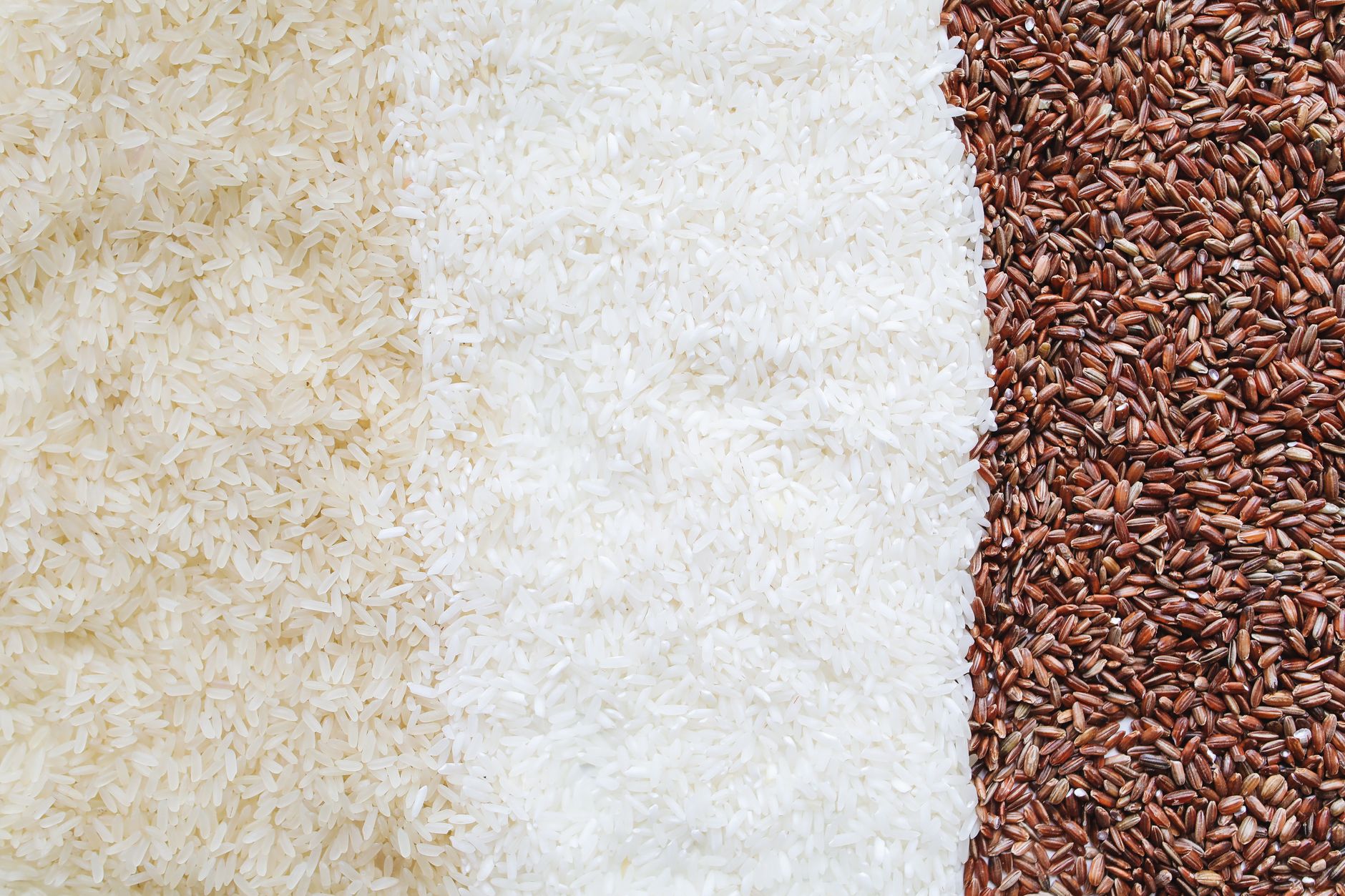
When it comes to rice, the debate between brown rice and white rice continues to be a hot topic in the culinary and nutritional world. Both types have their fans, each touting distinct health benefits and cooking qualities. Understanding the differences between them can help you make informed choices for your meals.
This article will delve into the nutritional profiles, health implications, cooking techniques, and culinary uses of brown rice and white rice. By the end, you’ll have a clear understanding of which option might be healthier for your dietary needs.
Is Brown Rice or White Rice Healthier?
In general, brown rice is considered healthier than white rice due to its higher fiber content, vitamins, and minerals. Brown rice retains the bran and germ, which are stripped away in white rice processing. This leads to better nutritional benefits, but cooking times and flavors differ significantly.
Nutritional Comparison
To fully appreciate the nutritional differences, let’s examine the two types of rice side by side in terms of calories, macronutrients, and micronutrients.
| Nutrient | Brown Rice (1 cup cooked) | White Rice (1 cup cooked) |
|---|---|---|
| Calories | 218 | 205 |
| Carbohydrates | 45g | 45g |
| Protein | 5g | 4g |
| Fat | 1.6g | 0.4g |
| Fiber | 3.5g | 0.6g |
| Magnesium | 84mg | 19mg |
| Selenium | 19mcg | 11mcg |
| Vitamin B6 | 0.3mg | 0.1mg |
As shown, brown rice outperforms white rice in several key nutritional categories, especially in fiber and micronutrients such as magnesium and selenium. The higher fiber content in brown rice promotes better digestive health and can help regulate blood sugar levels.
The Processing Differences
The main reason for the nutritional disparity is the processing method. Brown rice is a whole grain; its bran, germ, and endosperm are intact. White rice, on the other hand, undergoes milling and polishing, which removes the bran and germ, diminishing its nutrient content. This process also strips away the beneficial fats, leading to a higher glycemic index, which can cause spikes in blood sugar levels.
Health Implications
Understanding the health implications of both rice types is essential for making dietary decisions. Let’s analyze some potential benefits and downsides of each.
Benefits of Brown Rice
- Higher Fiber Content: Brown rice contains more fiber, which aids digestion and helps maintain gut health.
- Rich in Antioxidants: The bran layer in brown rice contains antioxidants, which may help fight inflammation and protect against chronic diseases.
- Good for Blood Sugar Control: The lower glycemic index of brown rice leads to a more gradual increase in blood sugar, making it a better option for people with diabetes.
- Heart Health: The nutrients in brown rice can support heart health, including magnesium, which is important for muscle and nerve function.
Potential Downsides of Brown Rice
- Longer Cooking Time: Brown rice takes longer to cook than white rice, typically about 45 minutes compared to 15–20 minutes for white rice.
- Phytates: Brown rice contains phytates, which may inhibit the absorption of certain minerals, although this is often not a significant concern for those with a balanced diet.
Benefits of White Rice
- Convenience: White rice cooks more quickly, making it a convenient option for quick meals.
- Easily Digestible: Its lower fiber content makes white rice easier to digest, which can be beneficial for those with digestive issues or recovering from illness.
- Versatility: White rice is a staple in many global cuisines, making it easier to incorporate into traditional dishes.
Potential Downsides of White Rice
- Lower Nutritional Value: White rice lacks the fiber and many nutrients found in brown rice, which may lead to nutrient deficiencies if consumed as a staple.
- Higher Glycemic Index: The higher glycemic index can cause rapid spikes in blood sugar levels, which is a concern for those with insulin resistance or diabetes.
Cooking Techniques
Cooking methods can vary substantially between brown rice and white rice due to their differing structures. Understanding these techniques can enhance your cooking experience and ensure that you achieve the best results.
How to Cook Brown Rice
Brown rice generally requires more water and a longer cooking time than white rice. Here’s a simple method to cook brown rice:
- Rinse 1 cup of brown rice under cool running water to remove excess starch.
- In a pot, combine the rinsed rice with 2.5 cups of water and a pinch of salt.
- Bring the water to a boil. Then, lower the heat to a simmer, cover the pot, and cook for 45-50 minutes.
- After cooking, remove the pot from heat and let it sit for 10 minutes, keeping it covered.
- Fluff the rice with a fork before serving.
How to Cook White Rice
Cooking white rice is more straightforward and quicker. Follow these steps:
- Rinse 1 cup of white rice under cool water to remove surface starch and prevent stickiness.
- In a pot, combine the rinsed rice with 2 cups of water and a pinch of salt.
- Bring the water to a boil, then cover and reduce the heat to low. Cook for 15-20 minutes.
- Once the water is absorbed, remove from heat and allow it to sit for 5 minutes with the lid on.
- Fluff the rice with a fork before serving.
Culinary Uses
Both brown rice and white rice have distinct flavors and textures, making them appropriate for different dishes. Whether you’re preparing a hearty meal or a simple side, understanding these differences can enhance your cooking experience.
Using Brown Rice in Recipes
Brown rice has a nutty flavor and a chewier texture, making it an excellent addition to various dishes:
- Grain Bowls: Use brown rice as a base for grain bowls, topped with roasted vegetables, proteins, and sauces.
- Stir-Fries: Substitute brown rice in stir-fried dishes for a heartier element.
- Stuffed Peppers: Mix cooked brown rice with spices, beans, and cheese for a filling stuffing.
Using White Rice in Recipes
White rice is often used for its mild flavor and fluffy texture:
- Risottos: White rice varieties like Arborio are perfect for creamy risottos.
- Fried Rice: Create a quick fried rice dish with leftover cooked white rice, vegetables, and protein.
- Curries: White rice serves as a neutral side for flavorful dishes, helping to balance strong spices.
Practical Tips for Choosing
Deciding whether to use brown rice or white rice often comes down to personal preference, dietary needs, and the type of dish you are creating. Here are some practical tips:
- Consider your cooking time: If you’re short on time, white rice is the quicker option.
- Think about your nutritional goals: If adding fiber and nutrients to your diet is a priority, brown rice may be the better choice.
- Experiment with combinations: Mixing brown and white rice can provide the benefits of both while pleasing different palates.
- Flavor pairing: Think about how the flavor of each type will complement your dish; brown rice has a nuttier taste compared to the milder white rice.
Storing and Reheating Rice
Proper storage and reheating methods are vital for maintaining the quality and safety of both types of rice.
Storage Guidelines
- Cooked brown or white rice can be stored in an airtight container in the refrigerator for up to 4-6 days.
- For long-term storage, uncooked rice can be kept in a cool, dry area in a sealed container; brown rice generally has a shorter shelf life than white rice due to its higher oil content.
- If you notice any off-smells or signs of mold, discard the rice immediately.
Reheating Cooked Rice
Reheat rice carefully to avoid overcooking:
- Add a splash of water or broth to the rice when reheating in a microwave to add moisture.
- Heat in 30-second intervals, stirring in between until thoroughly warmed.
- Alternatively, reheat rice in a covered saucepan on the stove over low heat with a bit of water.
Conclusion
Ultimately, the choice between brown rice and white rice depends on personal preference, dietary needs, and what you plan to cook. While brown rice offers higher nutritional benefits, white rice can be quicker and more versatile in many recipes. Whatever you choose, both can fit into a balanced diet.
Explore related recipes like this Instant Pot Brown Rice Recipe or learn how to make a delicious rice pudding to make the most out of your rice dishes.