
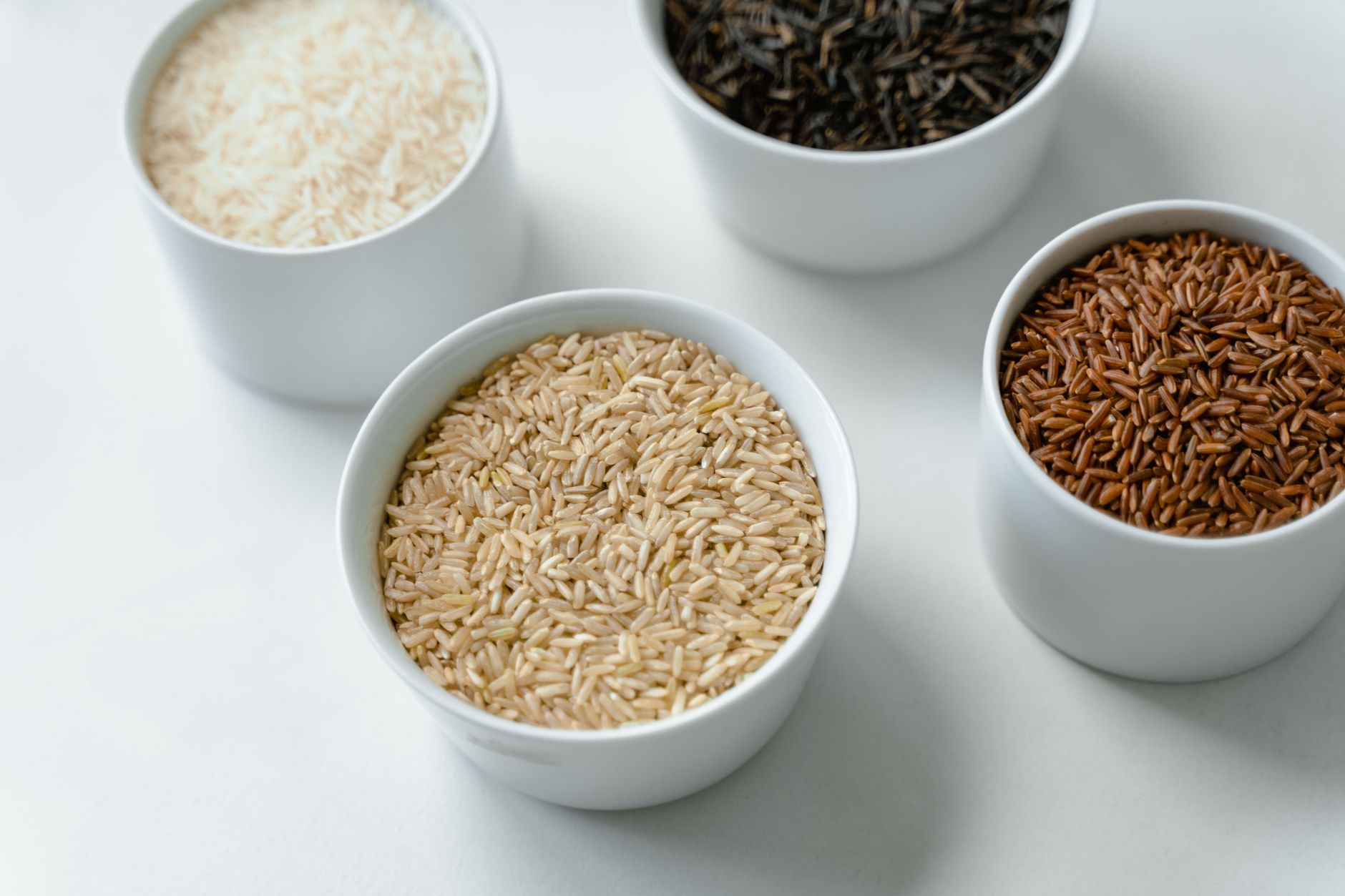
Brown rice has become a popular choice for those looking to eat healthier, but is it truly the better option compared to white rice? With various claims about its nutritional profile, cooking qualities, and health benefits, it’s essential to explore the facts. This article will dive into the nutritional benefits of brown rice, its culinary uses, and offer various considerations for those contemplating switching from white rice.
Whether you are trying to improve your diet, incorporate more whole grains, or simply looking for a tasty alternative to white rice, understanding the differences between the two can help you make informed choices. Let’s delve into the question, “Is brown rice healthier?”
Is Brown Rice Healthier?
Yes, brown rice is generally considered healthier than white rice due to its higher nutrient content and lower glycemic index. Brown rice retains its bran and germ layers, providing fiber, vitamins, and minerals that are often lost during the refining process of white rice. However, individual dietary needs and preferences should always be considered.
Nutritional Comparison: Brown Rice vs. White Rice
To fully appreciate the health benefits of brown rice, it’s essential to compare its nutritional profile with that of white rice. Below is a breakdown of their primary nutritional components.
| Nutrient | Brown Rice (per 1 cup cooked) | White Rice (per 1 cup cooked) |
|---|---|---|
| Calories | 218 | 205 |
| Protein | 5 g | 4 g |
| Carbohydrates | 45 g | 44 g |
| Fiber | 3.5 g | 0.6 g |
| Sugars | 0.7 g | 0.1 g |
| Fat | 1.6 g | 0.4 g |
| Magnesium | 84 mg | 19 mg |
| Thiamine (Vitamin B1) | 0.2 mg | 0.07 mg |
| Niacin (Vitamin B3) | 2.6 mg | 0.4 mg |
| Phosphorus | 150 mg | 68 mg |
| Selenium | 19 mcg | 5 mcg |
The Health Benefits of Brown Rice
Brown rice is often praised for its numerous health benefits. Here are some of the most notable:
1. Rich in Nutrients
Unlike white rice, brown rice retains its nutrients due to minimal processing. The bran and germ layers are rich in essential vitamins such as B vitamins, which play a crucial role in energy metabolism and maintaining a healthy nervous system. It’s also a good source of minerals like magnesium and phosphorus, which are vital for bone health.
2. High in Fiber
Brown rice has significantly more dietary fiber than white rice. Fiber is essential for maintaining digestive health, regulating blood sugar levels, and promoting satiety, which can aid in weight management. A higher fiber intake is also linked to lower cholesterol levels and a reduced risk of heart disease.
3. Lower Glycemic Index
The glycemic index (GI) measures how quickly a carbohydrate-containing food raises blood sugar levels. Brown rice typically has a lower GI compared to white rice, meaning it causes a slower, more gradual rise in blood sugar. This can be beneficial for individuals managing diabetes or blood sugar issues.
4. Antioxidant Properties
Brown rice contains antioxidants, such as phenolic acids and flavonoids, which can help combat oxidative stress. Antioxidants play a crucial role in preventing cell damage and may lower the risk of chronic diseases, including heart disease and certain cancers.
Cooking Brown Rice: Techniques and Tips
Cooking brown rice can be slightly different than cooking white rice due to its outer bran layer. Here are some techniques and tips to help you prepare brown rice perfectly.
1. Cooking Methods
There are several methods for cooking brown rice, including the stovetop method, using a rice cooker, or an Instant Pot. Here is a straightforward stovetop method:
Ingredients
- 1 cup brown rice
- 2 1/2 cups water or broth
- Salt (optional)
Essential Equipment
- Medium saucepan with lid
- Measuring cups
- Stirring spoon
Instructions
- Rinse the brown rice under cold water to remove excess starch.
- In a medium saucepan, combine the rinsed rice, water or broth, and salt (if desired).
- Bring to a boil over high heat.
- Once boiling, reduce the heat to low, cover the saucepan with a lid, and simmer for about 45 minutes.
- After 45 minutes, remove from heat and let it sit covered for an additional 10 minutes.
- Fluff the rice with a fork and serve.
2. Cooking Tips
To enhance the flavor and texture of brown rice, consider the following tips:
- Soak the rice for a few hours or overnight to reduce cooking time and improve digestion.
- Add spices, herbs, or aromatics such as garlic, onions, or bay leaves to the cooking liquid for additional flavor.
- Use vegetable or chicken broth instead of water for a richer taste.
- Keep an eye on water ratios; too much can make the rice mushy, while too little can leave it undercooked.
Common Mistakes When Cooking Brown Rice
While cooking brown rice is relatively straightforward, several common mistakes can lead to less-than-desirable results:
- Skipping the rinse: Always rinse brown rice before cooking to remove any debris and excess starch that can cause it to clump.
- Not measuring water accurately: Using the wrong water-to-rice ratio can result in a gummy or dry texture.
- Overcooking: Brown rice requires a longer cooking time than white rice; keep an eye on it to avoid mushiness.
- Not letting it rest: Allowing the rice to sit after cooking helps the moisture redistribute, preventing it from being too sticky.
Utilizing Brown Rice in Meals
Brown rice is versatile and can be incorporated into various dishes. Here are some ideas for including it in your meals:
1. Salads
Brown rice can be chilled and added to salads for added texture and nutrition. Consider a brown rice salad with cherry tomatoes, cucumbers, parsley, lemon juice, and feta cheese.
2. Stir-Fries
Utilize brown rice in stir-fry dishes, replacing traditional white rice to elevate your meal’s nutritional profile. Pair it with your favorite vegetables, proteins, and sauces for a delicious dish.
3. Grain Bowls
Brown rice serves as an excellent base for grain bowls. Top it with grilled vegetables, protein (like chicken, tofu, or beans), and sauces or dressings for a satisfying meal.
4. Stuffed Peppers or Tomatoes
Combine cooked brown rice with ground meat (or a plant-based alternative), vegetables, and spices, then stuff into bell peppers or tomatoes and bake for a hearty meal.
Substitutions for Brown Rice
If you’re looking for alternatives to brown rice or want to experiment with other grains, consider these options:
- Quinoa: A complete protein, quinoa cooks faster and has a slightly nuttier flavor.
- Barley: Offers a chewy texture and is high in fiber, making it a great addition to soups and salads.
- Couscous: A quick-cooking option that is lighter and fluffier compared to brown rice.
- Farro: This ancient grain yields a chewy texture and nutty flavor, ideal for salads and side dishes.
Is Brown Rice Right for You?
While brown rice is generally a healthier choice, it’s important to consider individual dietary restrictions or health conditions. Below are some considerations:
1. Fiber Sensitivity
Some individuals may experience digestive discomfort from the high fiber content in brown rice. If you have a sensitive stomach, you might want to start with smaller portions or opt for white rice when necessary.
2. Arsenic Levels
Brown rice has been found to contain higher levels of arsenic compared to white rice, which can pose a health risk if consumed in large quantities over time. It’s advisable to rinse rice thoroughly before cooking and to vary your grain intake for a balanced diet.
3. Dietary Preferences
Vegetarians and vegans may appreciate brown rice for its higher protein and fiber content, while athletes may find it beneficial for energy due to its complex carbohydrates. Always consider your activity level and nutritional needs when integrating brown rice into your diet.
Storage and Reheating Guidelines for Brown Rice
Proper storage and reheating of brown rice can help maintain its quality and reduce food waste:
Storage Guidelines
- Cooked brown rice can be stored in an airtight container in the refrigerator for up to 4-5 days.
- For longer storage, consider freezing cooked brown rice in portioned bags for up to 6 months.
- Uncooked brown rice can be stored in a cool, dry place for up to 6 months.
Reheating Tips
When reheating brown rice, add a splash of water to prevent it from drying out:
- On the stovetop: Place brown rice in a saucepan, add water, and heat over low until warmed through.
- In the microwave: Place in a microwave-safe bowl, add a bit of water, cover with a lid or microwave-safe wrap, and heat in 1-minute intervals until hot.
Conclusion
Switching to brown rice can be a beneficial choice for many, offering myriad health advantages due to its higher nutrient content and lower glycemic index. As with any dietary change, it’s essential to consider individual health needs and preferences. Integrating brown rice into a well-balanced diet can enhance your meals and contribute positively to your overall nutrition.
For those looking to get started with brown rice, you can explore recipes like this Instant Pot Brown Rice recipe for easy preparation, or try a delicious Protein Brownies recipe that subtly incorporates this nutritious grain.