
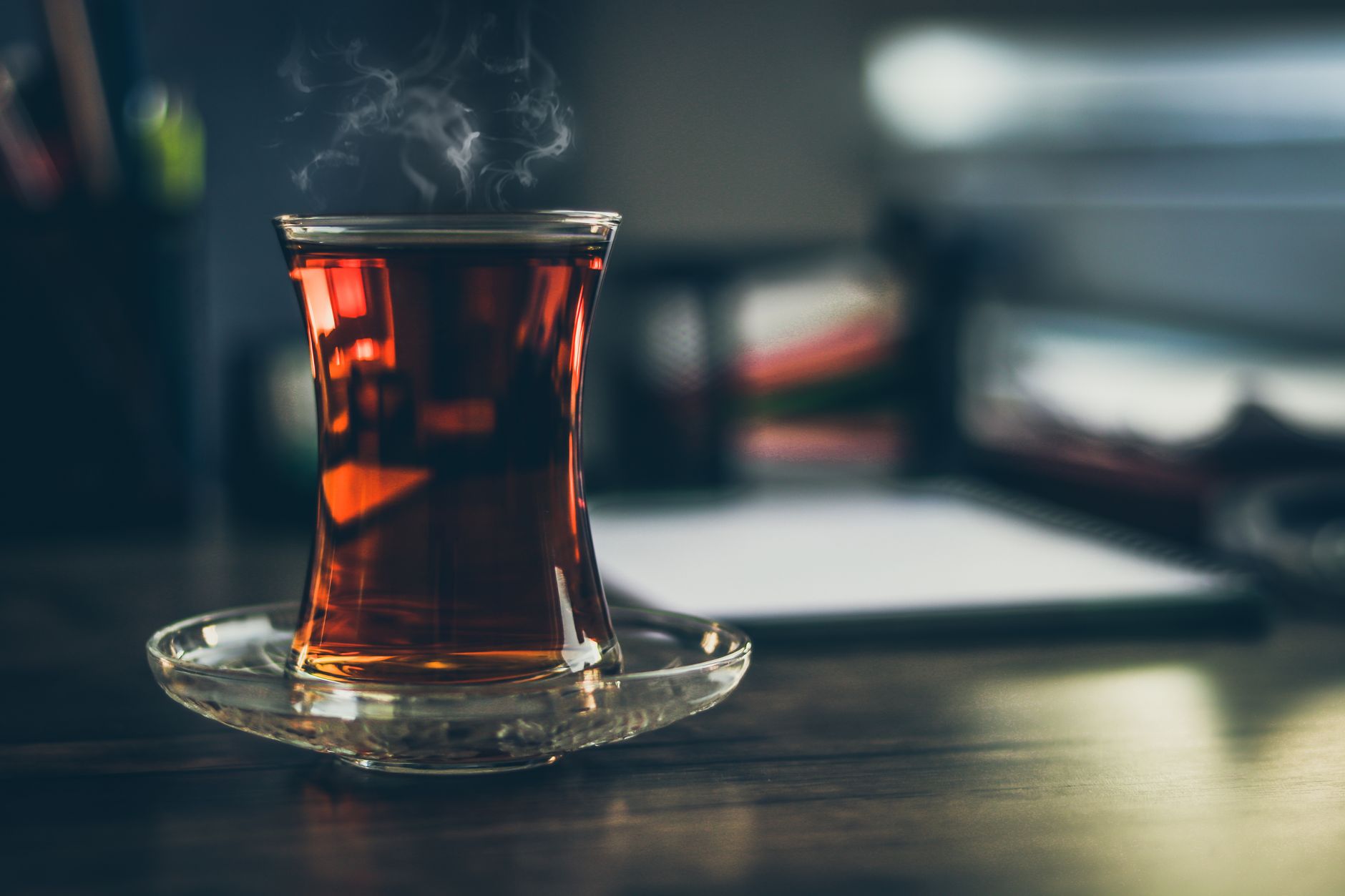
Black tea is a favorite beverage enjoyed worldwide, known for its bold flavor and various health benefits. With growing discussions around hydration, many people wonder about the hydrating properties of black tea.
This article will delve into whether black tea is indeed hydrating, exploring nutrition facts, caffeine content, and practical considerations to help you make informed beverage choices.
Is Black Tea Hydrating?
Yes, black tea can be hydrating. Although it contains caffeine, which has a mild diuretic effect, the fluid content in black tea helps contribute to overall hydration. In moderation, black tea can be an effective beverage for staying hydrated.
Understanding Hydration
Hydration refers to maintaining the right balance of fluids in the body. This is essential for various bodily functions, including regulating temperature, transportation of nutrients, and proper cellular function. Drinking fluids is the primary way we hydrate our bodies.
The concept of hydration often raises questions concerning the impact of caffeine and other beverages that might lead to dehydration. Understanding how different drinks affect hydration is crucial.
Caffeine and Hydration
Caffeine, a natural stimulant found in various beverages including coffee, tea, and energy drinks, can have a diuretic effect. This means that it may increase urine production, leading to a temporary loss of fluids. However, research suggests that the diuretic effect of caffeine is relatively mild and doesn’t counteract the hydration benefits of fluid intake.
The key takeaway is that while caffeine may increase urine output, moderate consumption of caffeinated beverages like black tea can still contribute positively to overall hydration levels.
Nutrition Facts of Black Tea
Black tea is not only about hydration; it offers several nutritional benefits. Here’s a detailed understanding of its nutritional profile:
| Nutrient | Amount per 8 oz (240 ml) |
|---|---|
| Calories | 2 |
| Caffeine | 40-70 mg |
| Fluoride | 0-0.5 mg |
| Antioxidants | Varies |
Black tea is low in calories, making it a useful option for individuals looking to manage their weight. It’s also rich in antioxidants, which may help combat oxidative stress and inflammation.
Different Types of Black Tea
There are several types of black tea, each with distinct flavors, aromas, and health benefits. Some popular varieties include:
- Assam: Characterized by its strong, malty flavor, Assam tea comes from India’s Assam region.
- Darjeeling: Often referred to as the “champagne of teas,” Darjeeling is lighter and more floral compared to other black teas. It is grown in the Darjeeling district of India.
- Earl Grey: A flavored black tea infused with bergamot oil, Earl Grey offers a distinctive citrus aroma.
- English Breakfast: A blend of several black teas, this variety is known for its robust flavor and is often enjoyed with milk.
Health Benefits of Black Tea
In addition to being hydrating, black tea has several health benefits attributed to its beneficial compounds. Some notable advantages include:
- Heart Health: Some studies suggest that regular consumption of black tea may help reduce the risk of heart disease by improving cholesterol levels and promoting healthy blood vessel function.
- Improved Digestion: Black tea may aid digestion and reduce the risk of gastrointestinal disorders due to its tannins, which can soothe the digestive tract.
- Reduced Stress: The presence of L-theanine, an amino acid in black tea, can promote relaxation and help reduce stress levels.
How to Brew Black Tea
Brewing black tea is a straightforward process, and doing it correctly can enhance the overall flavor and enjoyment of your cup. Follow these steps for a perfect brew:
- Gather Your Ingredients: Use high-quality loose leaf black tea or tea bags. Fresh water is essential for the best flavor.
- Heat Water: Bring fresh water to a rolling boil, about 200°F (93°C).
- Measure Tea: Use about 1 teaspoon of loose tea or 1 tea bag per cup (8 oz) of water.
- Steep: Pour boiling water over the tea and let it steep for 3 to 5 minutes, depending on your desired strength.
- Remove Tea: Remove the tea leaves or tea bag to prevent bitterness and allow the flavor to shine.
- Enjoy: Serve black tea hot or over ice. You may also add milk, sugar, or lemon according to your preference.
Practical Considerations for Enjoying Black Tea
While enjoying black tea, it’s essential to keep a few practical considerations in mind to ensure you’re maximizing hydration and flavor:
Moderation is Key
Overconsumption of caffeine can lead to adverse effects like jitteriness or insomnia. Moderation is essential. It’s generally safe for most people to consume up to 400 mg of caffeine daily, equivalent to around 4 to 5 cups of black tea.
Personal Tolerance
Individual tolerance to caffeine can vary significantly. People who are sensitive to caffeine may need to limit their intake, while others might find it perfectly fine.
Alternatives for Caffeine-Free Options
If you prefer to reduce your caffeine intake, consider exploring herbal teas, which offer hydration without caffeine. Options like chamomile or peppermint may be enjoyable substitutes.
Black Tea in Your Daily Routine
To incorporate black tea into your daily routine, consider the following ideas for usage:
- Morning Kickstart: Pair a cup of black tea with breakfast to kick-start your day.
- Afternoon Pick-Me-Up: A mid-afternoon cup can help boost your energy without the jitteriness associated with coffee.
- Cold Brew: For a refreshing summer drink, prepare cold brew black tea by steeping it in cold water overnight. Serve with ice for a cooler experience.
Can Black Tea Replace Water?
While black tea contributes to your daily hydration needs, it should not entirely replace water. Water is vital for various physiological functions, and drinking plain water should remain a primary source of hydration.
Incorporating black tea into your fluid intake offers variety and flavor but should be part of a balanced approach to hydration.
Common Mistakes When Brewing Black Tea
A few common mistakes can affect the flavor and overall experience of drinking black tea. Be mindful of these:
- Using Water That’s Too Cold: Cold water prevents proper steeping of the tea, leading to a weak flavor.
- Over-Steeping: Leaving black tea to steep for too long can create bitterness. Stick to the recommended steeping times.
- Neglecting Tea Storage: Store your black tea in an airtight container, away from light and moisture, to maintain its freshness and flavor.
Storage and Shelf Life of Black Tea
Proper storage is crucial for maintaining the quality of black tea. Here are some tips:
- Store black tea in a cool, dry place away from direct sunlight.
- Use an airtight container to protect it from moisture and odors.
- Black tea can retain its quality for about 2 to 3 years if stored properly, but for the best flavor, it is recommended to consume it within a year.
Final Thoughts
Black tea is a delightful beverage with hydration benefits when consumed in moderation. Its rich flavor, combined with potential health benefits, makes it a popular choice among tea lovers. Enjoy it as part of a balanced beverage routine, alongside water, for optimal hydration.
Now that you know about the hydrating aspects of black tea, consider exploring its various forms and flavors. Whether you choose a classic English Breakfast or a fragrant Earl Grey, black tea can become a delicious part of your daily hydration strategy.
For more insights on tea, check out our guide on what black tea is or learn about how much caffeine is in chai tea.