
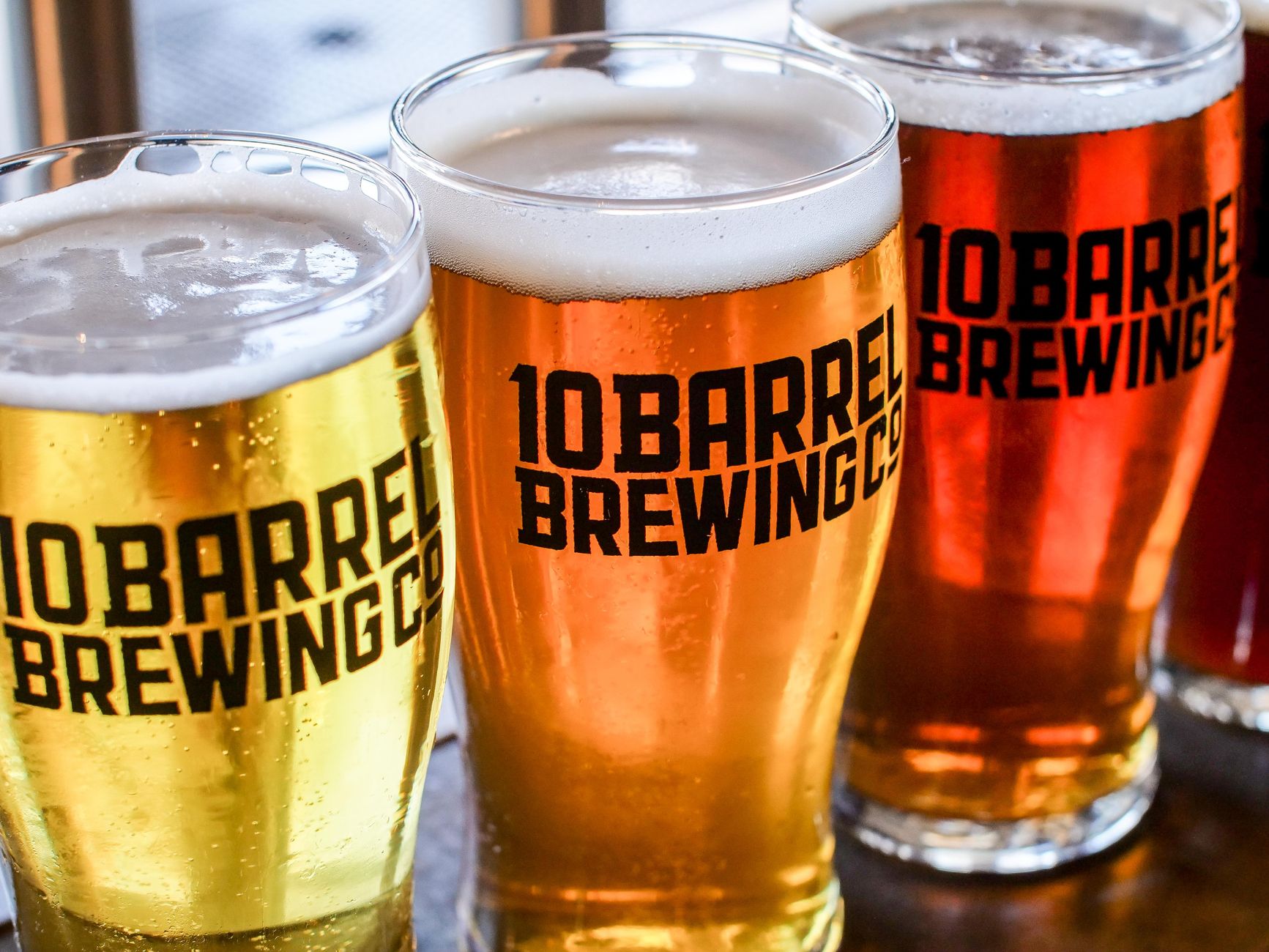
Beer is one of the most popular beverages worldwide, enjoyed for its diverse flavors and accompanying dishes. However, for those following a vegan lifestyle, the question arises: Is beer vegan? Understanding the ingredients, brewing processes, and labeling nuances can help you determine which beers align with your dietary choices.
This article will explore the aspects of beer that concern vegan drinkers, including common ingredients found in beer, potential non-vegan components, how to read labels for vegan compliance, and alternative options for vegans who want to enjoy a cold one.
Is Beer Vegan?
Yes, many beers are vegan, but some contain animal-derived ingredients. While the basic components of beer—water, malt, hops, and yeast—are vegan, additional ingredients and the filtration processes can sometimes involve animal products. Understanding these factors is crucial for anyone looking to enjoy beer while adhering to a vegan diet.
Basic Ingredients of Beer
The fundamental ingredients in beer include:
- Water: As the primary component, it makes up most of the beer’s content.
- Malt: Typically derived from barley, malt provides sugars necessary for fermentation.
- Hops: These flowering plants add bitterness and aroma to beer. They are wholly plant-based.
- Yeast: This microorganism ferments the sugars from malt into alcohol and carbon dioxide.
Potential Non-Vegan Additives
Although the four main ingredients are generally vegan, several additions in the brewing and filtering processes can render a beer non-vegan. Here are some common non-vegan additives:
1. Isinglass
Isinglass, derived from fish bladders, is a fining agent used to clarify beer. It helps remove yeast and other suspended particles, resulting in a clearer product. Some breweries still use isinglass, making those beers unsuitable for vegans.
2. Gelatin
Similar to isinglass, gelatin is another fining agent made from animal collagen. Used for clarification, it can be found in certain styles of beer. Always check the ingredient label or confirm with the brewery for transparency.
3. Lactose
Lactose, a sugar derived from milk, is sometimes used in stouts and porters for creaminess. Beers containing lactose are not vegan-friendly, as they contribute dairy to the mix.
4. Honey
While some beers feature honey as an ingredient—common in some Belgian ales—honey is not considered vegan. If you’re avoiding all animal products, be cautious with these selections.
5. Other Additives
Some breweries employ other animal-derived flavorings or adjuncts, such as casein (milk protein) or certain colorings made from insects, like carmine. Always investigate the specific beers you are purchasing.
Reading Beer Labels
Not all beers clearly state whether they are vegan on the label. Here’s how to effectively read beer labels and ensure they meet your vegan criteria:
- Look for certifications: Some breweries will label their products as vegan. Look for certification logos indicating vegan-friendly status.
- Check the ingredients list: If the label contains a list of ingredients, check for isinglass, gelatin, lactose, honey, or any other potential animal-derived additives.
- Research the brewery: Some breweries provide detailed information on their websites regarding their brewing processes and ingredients. Contact them directly if in doubt.
- Use vegan beer apps: Various apps and websites maintain databases of vegan-friendly beers. These can be an invaluable resource for making informed choices on the go.
Popular Vegan Beer Brands and Styles
While individual ingredients and processes vary from brewery to brewery, many brands focus on craft beer that aligns with vegan principles. Here are some popular vegan beer brands:
1. BrewDog
This Scottish brewery is well-known for its various craft beers and explicitly states vegan certification on many of its products. Their lineup includes IPAs, stouts, and lagers of different styles.
2. Sierra Nevada
A pioneer in the craft beer movement, Sierra Nevada offers a wide range of beers, including its famous Pale Ale, which is vegan-friendly.
3. Allagash Brewing Company
Allagash is renowned for its Belgian-style beers. Many of their offerings, such as the Allagash White, are vegan.
4. Brooklyn Brewery
Known for its popular lagers and ales, Brooklyn Brewery has several vegan options, including its easy-drinking Brooklyn Lager.
Alternatives for Non-Vegan Beers
If you come across a beer that may not meet vegan standards but still want to enjoy a similar beverage, there are alternatives. Here are some options:
1. Vegan Craft Beers
Many breweries are now conscious of vegan dietary trends. Opting to support craft breweries known for vegan-friendly practices will guarantee a more enjoyable experience.
2. Hard Seltzers
Hard seltzers are generally made from fermented sugar or malt, often resulting in a vegan-friendly product. All-natural flavors and zero animal products make them suitable for vegans.
3. Cider
Craft ciders, made from fermented apple juice, are usually vegan. Always confirm the ingredients, especially concerning added flavors or sweeteners.
Common Mistakes to Avoid
When navigating the beer landscape, it’s essential to be aware of common pitfalls for vegans:
- Assuming all beers are vegan: Not all beers are vegan, even ones with clean ingredients. Always double-check.
- Ignoring local breweries: Smaller craft breweries may use non-vegan processing methods but not disclose them. When in doubt, ask directly.
- Overlooking seasonal or limited-edition items: Specialty brews may contain non-vegan ingredients. Always review each new offering.
Storing and Serving Beer
Proper storage and serving of beer can enhance its flavor and ensure an enjoyable drinking experience. Here are some tips:
1. Storage
Beer should be stored upright, away from light and heat sources, to maintain freshness. Ideal temperature fluctuates by beer type; lighter beers should be served cold, while darker ones may benefit from slightly warmer temperatures.
2. Serving
When pouring beer, hold your glass at a 45-degree angle to allow for proper carbonation. Pouring directly into the glass allows for optimal flavor and aroma release.
3. Use appropriate glassware
Different beer styles pair well with different glass types. Use a pint glass for lagers, tulip glass for Belgian ales, and a snifter for stouts to elevate your tasting experience.
Pairing Vegan Foods with Beer
Beer can enhance meals, complementing various flavors in vegan dishes. Here are some excellent pairings:
1. IPAs with Spicy Foods
IPA’s hoppy bitterness balances out spicy foods, making it perfect for vegan curries, chili, or hot wings made with cauliflower.
2. Stouts with Dark Chocolate
The rich and bold flavors of stouts enhance desserts, particularly dark chocolate vegan mousse or brownies.
3. Wheat Beers with Light Salads
The light and refreshing taste of wheat beers pairs beautifully with fresh salads, especially those with citrus dressings.
4. Amber Ales with Grilled Veggies
The caramel notes in amber ales complement smoky grilled vegetables, making for an excellent summer pairing.
Summary of Vegan Beer Choices
Now that you have a comprehensive understanding of whether beer is vegan, the next steps involve exploring and finding brands and styles that align with your vegan lifestyle. Always review labels, check with breweries, and don’t hesitate to experiment with vegan beers. Cheers to your journey in discovering delicious vegan options!
If you are interested in cooking with beer, you might want to explore our guide on what is a substitute for Worcestershire sauce or try making a beer can chicken recipe. Both of these resources can enhance your culinary skills while considering your dietary preferences.