
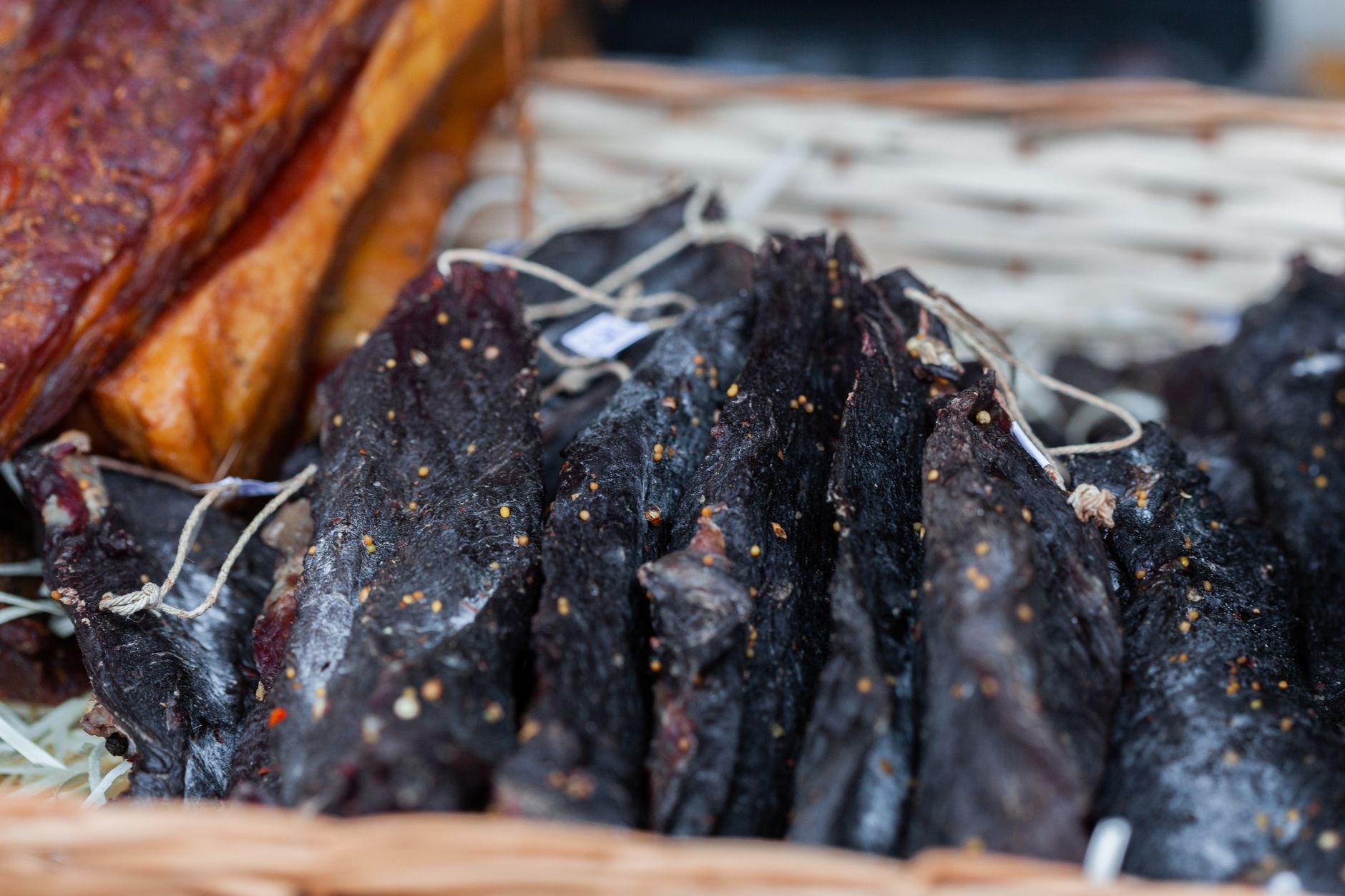
Beef jerky has long been a popular snack, adored for its chewy texture and intense flavor. However, with increasing awareness about health and nutrition, concerns about its safety have come to light, especially regarding potential links to cancer. This article explores whether beef jerky is a carcinogen, what factors contribute to this question, and how to enjoy it mindfully.
As we dive into this topic, it’s essential to understand what carcinogens are and the role of various ingredients and processes in beef jerky production. By the end, you’ll gain valuable insights into making informed dietary choices regarding this beloved snack.
Is Beef Jerky a Carcinogen?
Beef jerky can potentially be considered a carcinogen due to its high-temperature cooking techniques and preservatives used in its production. However, it is not inherently carcinogenic on its own. Understanding the factors that contribute to this classification helps clarify the risks involved with consuming beef jerky.
The Science Behind Carcinogens
Carcinogens are substances that can lead to cancer in living tissue. They may cause changes to cellular structures, leading to uncontrolled cell growth. Carcinogens can be found in many food items, environmental pollutants, and even some cooking methods.
Types of Carcinogens
- Group 1 Carcinogens: Agents that have sufficient evidence of causing cancer in humans, such as tobacco smoke and certain types of radiation.
- Group 2A Carcinogens: Agents that are probably carcinogenic to humans, like red meat.
- Group 2B Carcinogens: Substances that are possibly carcinogenic, including some food additives and processed meats.
The Role of Red Meat and Processed Meats
Beef jerky is classified under processed meats, which have been linked to certain types of cancer, particularly colorectal cancer. This link is primarily due to the methods used in processing and preserving meat.
Processing Methods
Beef jerky is made through curing, dehydrating, or smoking meat. Each of these processes can introduce certain chemicals that may have carcinogenic properties.
- Curing: Often involves sodium nitrite and other preservatives that can form nitrosamines, which are known carcinogens when exposed to high heat.
- Dehydrating: This method removes moisture but does not introduce new carcinogenic properties. However, high heat can produce harmful compounds.
- Smoking: The smoke itself can contain polycyclic aromatic hydrocarbons (PAHs), which are also recognized as potential carcinogens.
Current Research on Beef Jerky and Cancer
Research on the direct link between beef jerky and cancer is ongoing. Several studies have pointed out that processed meats increase cancer risk; however, the exact level of risk depends on consumption frequency and quantity.
Studies and Findings
The World Health Organization has grouped processed meats as a Group 1 carcinogen, attributing their classification to numerous studies. These studies show a correlation between high consumption of processed meats and increased cancer rates. It’s crucial to note that this does not mean eating beef jerky in moderation poses the same risks.
Understanding Moderation and Balance
Life is about balance, and the same applies to our diets. While overconsumption of beef jerky may pose risks, enjoying it in moderation is key. Here are practical ways to incorporate beef jerky into a balanced diet:
Moderation Guidelines
- Limit processed meat intake to a couple of servings per week.
- Pair beef jerky with fresh fruits and vegetables to enhance nutrition.
- Consider making your homemade jerky, where you can control the ingredients and avoid harmful preservatives.
Homemade vs. Store-bought Jerky
One effective way to mitigate potential health risks is to make your beef jerky at home. This option allows you to choose high-quality meats and natural spices without the extra preservatives and additives. Here’s how to make your beef jerky safely at home.
Homemade Beef Jerky Recipe
This recipe yields approximately 2-3 servings and takes about 6 hours total, including marinating and dehydrating time.
Ingredients
- 2 pounds of lean beef (e.g., eye of round or sirloin)
- 1/4 cup soy sauce
- 1 tablespoon Worcestershire sauce
- 1 tablespoon liquid smoke (optional)
- 1 tablespoon brown sugar
- 1 teaspoon garlic powder
- 1 teaspoon onion powder
- 1 teaspoon black pepper
- 1/2 teaspoon red pepper flakes (optional for heat)
Essential Equipment
- Sharp knife
- Cutting board
- Refrigerator
- Dehydrator or an oven
- Ziplock bags or airtight containers for storage
Method
- Trim any excess fat from the beef, then slice the meat into strips approximately 1/4 inch thick. For easier slicing, freeze the meat for about 1-2 hours beforehand.
- In a bowl, mix soy sauce, Worcestershire sauce, liquid smoke, brown sugar, garlic powder, onion powder, black pepper, and red pepper flakes.
- Add the sliced beef to the marinade, ensuring all pieces are coated. Cover and refrigerate for at least 4 hours or overnight for better flavor absorption.
- Preheat your dehydrator or oven to 160°F (71°C). If using an oven, line a baking sheet with aluminum foil to catch drippings and place a wire rack on top of the baking sheet.
- Remove beef from the marinade and pat dry with paper towels. Arrange the slices in a single layer without overlapping.
- Dehydrate in the dehydrator for about 5-6 hours, or in the oven for approximately 4-5 hours, until the beef is dry but still slightly pliable.
- Once done, let the jerky cool completely, then store it in Ziplock bags or airtight containers. Consume within 1-2 months for the best quality.
Tips for Enjoying Beef Jerky Safely
While the flavor and convenience make beef jerky a great snack, it’s essential to consume it mindfully.
Storage Tips
- Store jerky in a cool, dry place to prolong shelf life.
- Airtight containers or vacuum-sealed bags can help maintain freshness.
- For longer storage, consider refrigerating or freezing homemade jerky.
Healthier Snacking Alternatives
If you’re looking to diversify your snack options while still enjoying the savory satisfaction that beef jerky offers, consider these alternatives:
- Turkey jerky, which is often lower in fat and calories.
- Plant-based jerky made from mushrooms or soy, which can provide similar textures and flavors.
- Snack on nuts or seeds, which provide healthy fats and protein without the risk of carcinogens associated with processed meats.
Common Myths about Beef Jerky
With the rise of nutritional awareness, several myths about beef jerky have circulated. Addressing these helps clarify any misunderstandings.
Myth 1: All Jerky is Unhealthy
Not all jerky is created equal; choose options that have minimal preservatives and added sugars while containing natural ingredients. Homemade jerky presents an even healthier option.
Myth 2: Jerky is Safe to Consume in Excess
Although it can be a protein-rich snack, jerky should still be consumed in moderation due to its high sodium content and potential preservatives.
Incorporating Beef Jerky Mindfully into Your Diet
Beef jerky can serve as a convenient snack option, especially for on-the-go lifestyles. However, incorporating it mindfully means considering when and how often you indulge.
Balancing Your Diet
- Create a meal plan that includes a variety of protein sources, such as beans, nuts, and lean meats.
- Consider beef jerky as a post-workout snack to help with recovery without overindulging.
- Pair jerky with healthier food groups to balance your meals, such as fruits, vegetables, or whole grains.
Conclusion
While beef jerky carries some risks associated with cancer due to its processing methods, enjoying it in moderation as part of a balanced diet can help mitigate those risks. Opting for homemade jerky can provide a healthier alternative while still allowing you to savor this popular snack.
For further information on eating red meat and cancer risks, check out our article on red meat and its health implications. If you’re interested in making your own version, you can explore our delicious teriyaki jerky recipe for a different flavor twist. Embrace mindful snacking, and enjoy your food choices!