
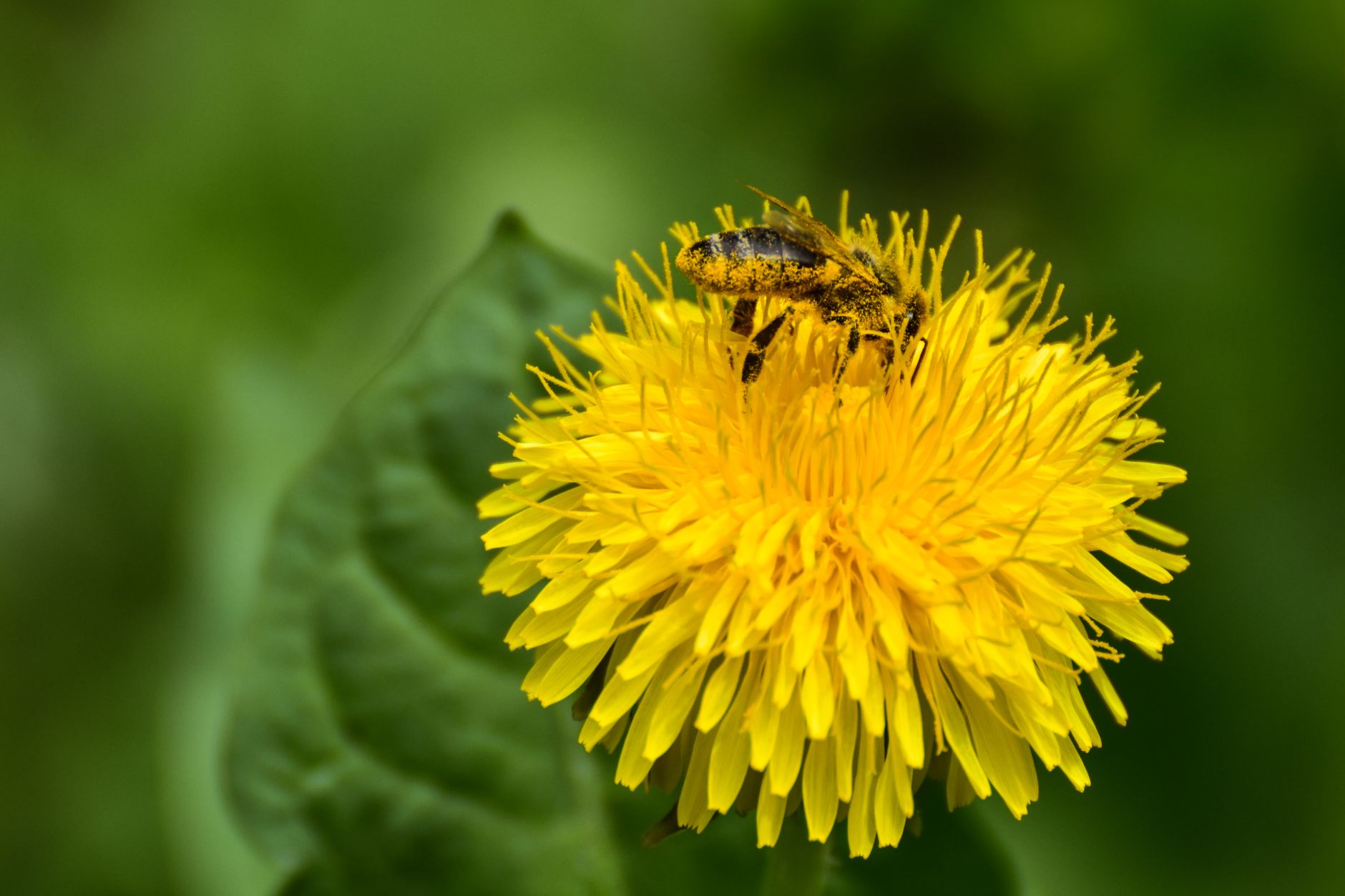
Bee pollen has gained popularity as a superfood, packed with nutrients and touted for its health benefits. However, for those following a vegan diet, a common question arises: is bee pollen vegan? This article explores the nature of bee pollen, its sourcing, and practical alternatives for those looking to maintain a strictly plant-based lifestyle.
Understanding whether bee pollen fits into a vegan diet requires examining both the production of bee pollen and the values underlying veganism. Let’s delve into its characteristics, potential ethical considerations, and viable substitute options to help you make informed food choices.
Is Bee Pollen Vegan?
No, bee pollen is not considered vegan. Since it is collected by bees and is a product of their labor, many vegans choose to avoid it. The ethical implications surrounding animal products play a significant role in the decision-making process for those adhering to vegan principles.
What is Bee Pollen?
Bee pollen is a mixture of plant pollen, nectar, enzymes, honey, and bee secretions. It’s gathered by bees as they travel from flower to flower, where they collect pollen grains on their legs and body. The bees then transport this pollen back to their hives, forming small granules that serve as a protein source for the colony.
The composition of bee pollen varies based on flower type, geographical location, and the time of year. It is typically rich in vitamins, minerals, proteins, fatty acids, and antioxidants, making it a nutritional powerhouse. However, aside from its health properties, the ethical considerations around its consumption are paramount for those following a vegan lifestyle.
Nutritional Composition of Bee Pollen
Bee pollen contains a unique blend of nutrients that appeal to many health enthusiasts. Here’s a breakdown of its primary nutritional components:
- Proteins: Comprising about 20-30% of bee pollen, it includes amino acids essential for body function.
- Vitamins: Rich in B vitamins, vitamin C, A, and E, it contributes to various health benefits.
- Minerals: Contains magnesium, calcium, potassium, and iron.
- Antioxidants: Offers flavonoids and carotenoids that enhance health by combating oxidative stress.
- Carbohydrates: Primarily sugars, providing quick energy.
While these nutritional benefits may be appealing, it is essential to consider them against ethical standards regarding animal welfare.
The Ethical Debate: Why is Bee Pollen Considered Non-Vegan?
The core of veganism focuses on avoiding the exploitation and harm of animals. Many vegans abstain from consuming or using products derived from animals, which includes not only direct food items but also secondary products like bee pollen. Here are some reasons behind this stance:
- Exploitation of Bees: Harvesting pollen interferes with the bees’ natural behaviors and ecosystems, often leading to stress on bee populations.
- Impact on Colony Health: Commercial pollen harvesting can result in the depletion of resources necessary for the health of bee colonies, which are already facing challenges from pesticides, habitat loss, and disease.
- Animal Rights: Many vegans promote a philosophy that opposes the use of animals for human benefit, including products like bee pollen.
For these reasons, while bee pollen is a natural product, it does not align with the principles of veganism.
Alternatives to Bee Pollen
If you’re seeking nutrients similar to those found in bee pollen but want to adhere to a vegan lifestyle, several plant-based alternatives can offer comparable health benefits:
1. Nutritional Yeast
Nutritional yeast is a popular choice known for its cheesy flavor and nutrient density, particularly B vitamins and protein. You can sprinkle it on popcorn, pasta, or salads for an extra nutritional kick.
2. Spirulina
Spirulina is a blue-green algae that packs an impressive protein punch and is loaded with vitamins and minerals. It can be consumed as a powder added to smoothies or in tablet form.
3. Chia Seeds
Chia seeds are a great source of omega-3 fatty acids, fiber, and minerals. They can be added to oatmeal, smoothies, or used as a thickening agent in puddings.
4. Flaxseed Meal
Flaxseed meal provides essential fatty acids and fiber, making it a great addition to baked goods and smoothies. Ground flaxseeds can be used as an egg substitute in recipes.
5. Hemp Seeds
Hemp seeds are another excellent source of protein and healthy fats. These can be sprinkled onto salads or blended into smoothies for added nutrition.
How to Incorporate Vegan Alternatives in Your Diet
Incorporating the aforementioned vegan alternatives into your meals can be easy and delicious. Here are some suggestions:
Breakfast Ideas
- Top your morning oatmeal with chia seeds or hemp seeds for a nutrient boost.
- Blend spirulina into your smoothie for an energizing morning start.
Snacks
- Use nutritional yeast to season popcorn or homemade savory snacks.
- Mix flaxseed meal into energy balls or bars for a nutritious on-the-go snack.
Meals
- Sprinkle hemp seeds over salads or grain bowls for extra protein.
- Incorporate nutritional yeast into sauces, soups, or dressings to enhance flavor.
Shopping Tips: How to Identify Vegan-Friendly Products
When shopping for vegan-friendly options, especially if you’re considering bee pollen substitutes, it’s essential to check product labels. Here are some practical tips:
- Read Ingredients: Always look for a clear list of ingredients. Any animal-derived components indicate that the product is not vegan.
- Check for Certifications: Look for vegan certifications or symbols that can indicate the absence of animal products.
- Avoid Misleading Names: Some products may have names that sound appealing but contain animal-derived ingredients. Make sure to verify.
Culinary Uses of Vegan Alternatives
Each vegan alternative can be used creatively in various recipes. Here’s how you can explore their culinary potential:
Nutritional Yeast
It can be blended into creamy sauces for pasta or used as a savory topping for your favorite dishes, adding a unique umami flavor.
Spirulina
Incorporate spirulina into smoothies, energy bars, or homemade granola for an added nutritional boost.
Chia Seeds
These seeds can be used to create chia pudding or as a thickening agent in jams and sauces due to their gel-like properties when soaked in liquid.
Common Mistakes When Substituting Bee Pollen
When switching to alternatives, certain nuances should be noted for optimal results:
- Flavor Mismatch: While nutritional yeast has a cheesy flavor, it lacks the floral notes of bee pollen. Adjust your recipes to account for taste differences.
- Texture Variations: Some substitutes may alter the texture of dishes. For instance, chia seeds can create a gel-like consistency, which may not suit every recipe.
- Proportions: Adjust the quantity of substitutes, as some may be more or less concentrated than bee pollen. Start with smaller amounts and taste as you adjust.
Conclusion
In summary, bee pollen is not vegan due to its collection method and the ethical implications surrounding its consumption. While it is packed with nutrients, those who follow a vegan lifestyle can find a variety of plant-based alternatives that offer similar health benefits without compromising their values. By being mindful while shopping and cooking, you can easily incorporate these substitutes into your meals, enhancing your overall nutrition while remaining true to a compassionate diet.
Explore related recipes and cooking tips to further enhance your culinary journey: Is Chocolate Vegan? and How Long Should Chia Seeds Soak? are excellent resources to refine your knowledge of plant-based ingredients.