
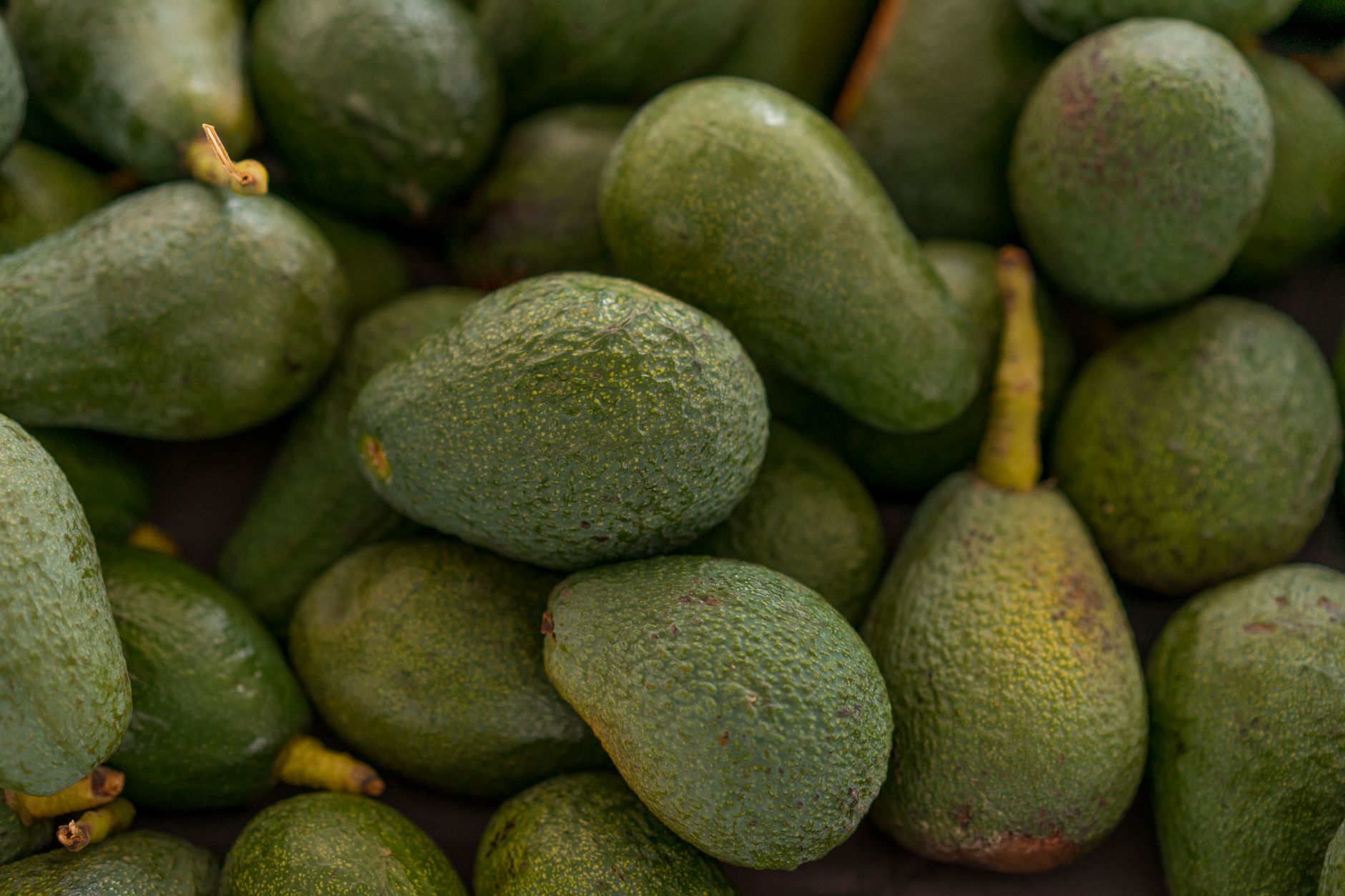
Avocados have taken the culinary world by storm, becoming a beloved ingredient in everything from salads to smoothies. But one question often arises: is avocado a fruit or a vegetable? This article will dissect this popular food item’s classification, uses, nutritional benefits, and much more to help you understand everything there is to know about avocados.
Whether you enjoy them on toast, in guacamole, or as a creamy addition to your dish, knowing how to categorize an avocado will enhance your culinary vocabulary and help you navigate your recipes and ingredient choices better.
Is Avocado A Fruit Or A Vegetable?
Avocado is technically a fruit. More specifically, it is a large berry with a single seed, classified under the genus Persea. Often mistaken for a vegetable due to its savory taste and culinary uses, avocados are botanically a fruit, as they develop from the flowering part of a plant and contain seeds.
A Brief Botanical Overview of Avocado
The avocado tree (Persea americana) is part of the Lauraceae family, which also includes bay laurel and cinnamon. Originating from Mexico and Central America, avocado trees can grow up to 65 feet tall. Avocados grow in warm climates and are now cultivated in many parts of the world.
Botanically speaking, fruits are the mature ovary of a flowering plant, typically containing seeds. Vegetables, on the other hand, are other plant parts, such as roots, stems, and leaves. Avocados develop from the flowering part of the avocado tree, qualifying them as fruits.
Characteristics of Avocado as a Fruit
Here are several characteristics that define avocados as a fruit:
- Seed: Each avocado contains a single, large seed, placed at its center, typical of many fruits.
- Growth: Avocados develop from the ovary of the flower, which is a key trait of fruit.
- Culinary Uses: Although avocados are used like vegetables in many savory dishes, their high-fat content and creamy texture align closely with many fruits.
Nutritional Value of Avocado
Aside from their classification, avocados are renowned for their nutritional benefits. They are rich in healthy monounsaturated fats, making them a heart-healthy choice. Below are some nutrients specifically found in avocados:
- Healthy Fats: Approximately 15 grams per avocado, mainly monounsaturated fat.
- Vitamins and Minerals: Rich in vitamins E, K, C, B6, and folate, along with potassium and magnesium.
- Fiber: Avocados contain around 9 grams of fiber, promoting digestive health.
Potential Health Benefits
Consuming avocados may offer several benefits:
- Heart Health: The monounsaturated fats can help lower bad cholesterol levels.
- Absorption of Nutrients: Eating avocado can enhance the absorption of fat-soluble vitamins from other foods.
- Anti-Inflammatory Properties: The antioxidants in avocados may help reduce inflammation in the body.
Culinary Uses of Avocado
Avocados can be enjoyed in various ways due to their unique flavor and creamy texture. Below are some common culinary applications:
1. Guacamole
Guacamole is perhaps the most popular use for avocados. Made by mashing ripe avocados and mixing them with lime juice, salt, onions, tomatoes, and cilantro, it serves as a delicious dip or condiment.
2. Avocado Toast
This trendy breakfast option involves smashing or slicing avocado and spreading it onto toasted bread, often garnished with spices, eggs, or vegetables.
3. Salads
Chunks of avocado add a creamy texture to salads, complementing other ingredients and enhancing nutrition.
4. Smoothies
Avocados can be blended into smoothies for added creaminess and richness without overpowering the sweetness of fruits.
5. Baking
Mashed avocado can replace butter or oil in baking recipes, making them healthier while adding moisture.
Choosing and Storing Avocados
Selecting the right avocado and knowing how to properly store it can significantly affect its quality and flavor.
Choosing Avocados
When shopping for avocados, consider the following:
- Color: Look for a dark green or almost black skin, which often indicates ripeness.
- Feel: Gently squeeze the avocado; it should yield to pressure but not feel mushy.
- Shape: Choose avocados that are plump and rounded rather than flat, which may indicate dryness.
Storing Avocados
Proper storage methods can prolong the life of avocados:
- Unripe Avocados: Store them at room temperature until ripe.
- Ripe Avocados: Refrigerate to extend their shelf life for a few days.
- Cut Avocados: Store in an airtight container with a bit of lemon juice or onion, which can slow browning.
Common Mistakes with Avocados
When working with avocados, people often make common mistakes that can diminish their enjoyment:
- Choosing Under-ripe Avocados: Avoid hard avocados unless you plan to ripen them at home.
- Improper Storage: Not refrigerating ripe avocados can lead to spoilage.
- Not Timing Guacamole: Making guacamole too far in advance may lead to browning.
Troubleshooting Avocado Issues
If you encounter issues with avocados, consider these solutions:
- Alternate Ripening Methods: Place unripe avocados in a paper bag alongside a banana to speed up ripening.
- Reviving Darkened Fruit: For guacamole that has darkened, incorporating fresh avocado can restore its color and flavor.
Practical Avocado Recipes
Here are a few practical recipes that highlight the versatility and distinct nature of avocados:
Avocado Crema
This creamy and flavorful avocado crema can serve as a dip, dressing, or a sauce. It combines the rich taste of avocado with the tang of lime for a versatile condiment.
- Ingredients:
- 2 ripe avocados
- 1/2 cup sour cream or Greek yogurt
- 1 clove garlic
- Juice of 1 lime
- Salt to taste
Preparation:
- In a blender or food processor, combine the avocados, sour cream or yogurt, garlic, lime juice, and salt.
- Blend until smooth and creamy.
- Taste and adjust seasoning as desired.
- Serve immediately or store in an airtight container to minimize browning.
Avocado Bread
Avocado bread is an easy and nutritious option for breakfast or as a snack. This recipe combines the heartiness of whole grains with nutrient-rich avocados.
- Ingredients:
- 1 ripe avocado
- 2 slices whole-grain bread
- Salt, to taste
- Optional toppings (tomato, radishes, seeds, etc.)
Preparation:
- Toast the slices of bread to your preference.
- While bread is toasting, mash the avocado in a bowl and season it with salt.
- Spread the mashed avocado on the toasted bread.
- Add optional toppings for additional flavor and nutrients.
Exploring Avocado Varieties
There are many varieties of avocados, each with its flavor profile, texture, and uses. Here are a few popular kinds:
- Young Avocado: Often smaller and with smooth skin. They are buttery in taste and used in salads.
- Hass Avocado: The most common variety, known for its rich, creamy texture and pebbly skin. They are great in dips.
- Bacon Avocado: A lighter green with a smooth skin. They are milder and great for salads.
- Fuerte Avocado: A larger variety with a creamy texture and thin skin, offering a sweet flavor.
Final Thoughts
Avocados are versatile, nutrient-rich fruits that lend themselves well to both savory and sweet dishes. Understanding their classification as a fruit empowers you to make informed choices in your culinary journey. Whether you are enjoying guacamole with chips or including them in smoothies, avocados can elevate your meals.
Now that you know more about avocados, why not try your hand at making avocado crema or avocado bread? They are both delicious ways to incorporate more of this unique fruit into your meals. Discover new recipes or cooking tips to enhance your culinary repertoire.
Explore our tasty avocado crema recipe or learn how to make avocado bread to enjoy the tasty richness of avocados in your own kitchen.