
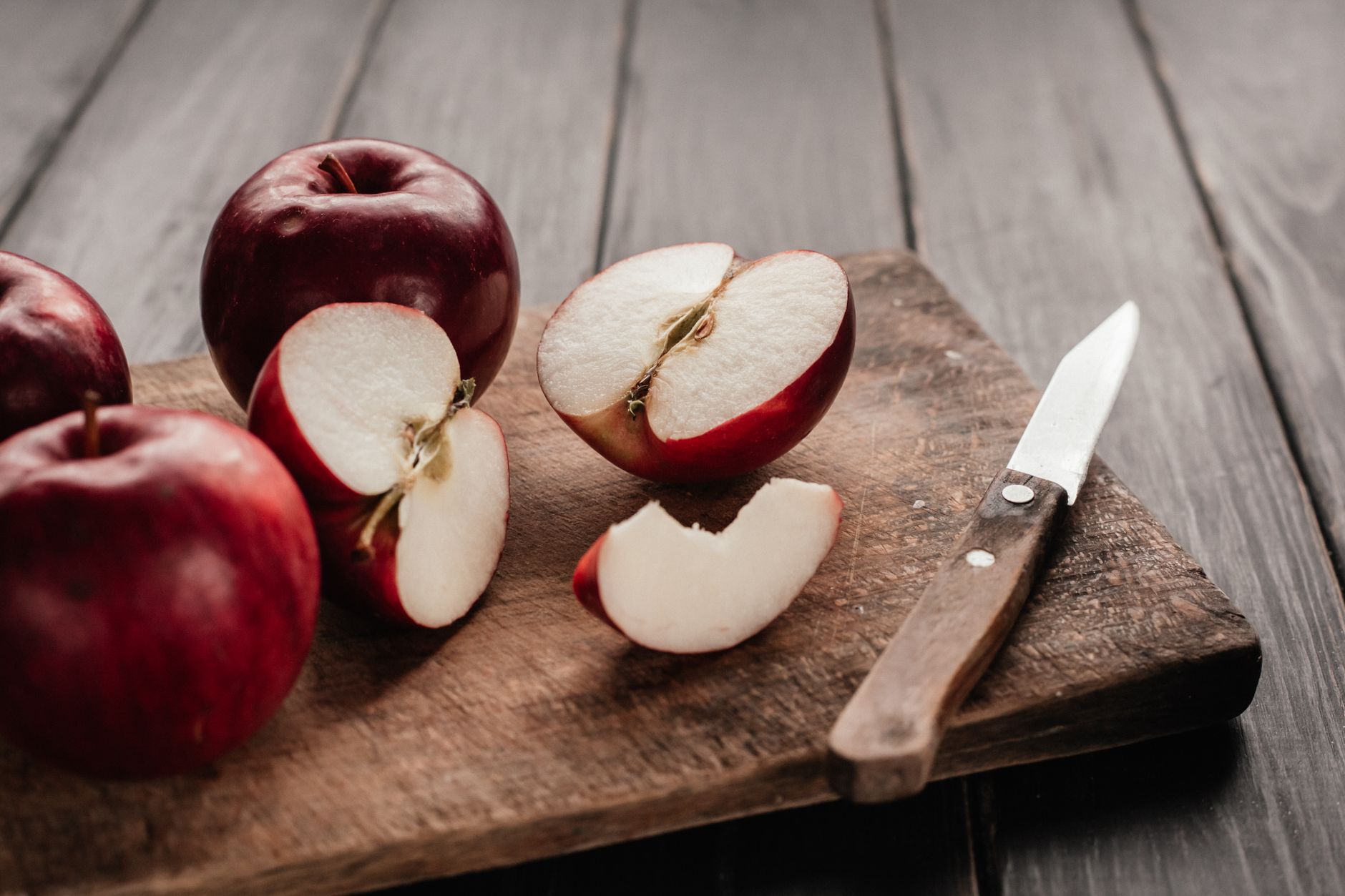
Apple skin is often overlooked when preparing this beloved fruit, but it carries a wealth of nutritional benefits. Understanding the advantages of eating apple skin can enhance your health and provide you with more delicious ways to enjoy apples. This article explores the nutritional profile of apple skin, its potential health benefits, and ways to incorporate it into your diet.
From its high fiber content to antioxidant properties, apple skin is a powerhouse when it comes to nutrition. Let’s delve into whether apple skin is good for you and how you can comfortably add it to your meals.
Is Apple Skin Good for You?
Yes, apple skin is beneficial for your health due to its high fiber content, antioxidants, and various vitamins. Eating the skin can contribute to digestive health, immune support, and may help in managing blood sugar levels. Additionally, the skin contains beneficial compounds that are found in lower quantities in the flesh of the apple.
Nutritional Profile of Apple Skin
Before we discuss the benefits of apple skin, it’s essential to understand what makes it nutritionally significant. Here’s a breakdown of key nutrients found in apple skin:
- Fiber: The skin provides a high source of dietary fiber, which can aid digestion and promote satiety.
- Vitamins: Apple skin is rich in vitamins A and C, which play important roles in health. Vitamin A supports eye health, while Vitamin C is crucial for immune function and skin health.
- Antioxidants: It contains several types of antioxidants, including quercetin and flavonoids, which help combat oxidative stress in the body.
- Phytochemicals: These are natural compounds that may reduce the risk of certain diseases and have anti-inflammatory properties.
Potential Health Benefits of Apple Skin
The benefits of consuming apple skin extend beyond basic nutrition. Here’s a closer look at some of the potential health benefits:
1. Digestive Health
The high fiber content in apple skin helps improve digestive health. Fiber promotes regular bowel movements and can help prevent constipation. A diet with sufficient fiber can also reduce the risk of developing digestive disorders.
2. Weight Management
Because apple skin is rich in fiber, it can help in weight management by promoting feelings of fullness. Eating foods high in fiber can decrease overall calorie intake, aiding in weight loss.
3. Heart Health
Regular consumption of apple skin may contribute to heart health. The antioxidants found in apple skin can reduce inflammation and lower blood pressure, both significant factors in heart disease risk.
4. Blood Sugar Regulation
The fiber, combined with the natural sugars in apples, can help regulate blood sugar levels. This can be particularly important for individuals with diabetes or those managing their sugar intake.
5. Immune Support
The vitamin C present in apple skin plays a crucial role in supporting the immune system. Consuming foods high in vitamin C can help the body fend off infections and illnesses.
6. Skin Health
The antioxidants found in apple skin help protect the skin from free radical damage and may offer anti-aging benefits. Vitamins A and C are particularly beneficial for maintaining skin elasticity and promoting a healthy complexion.
How to Choose Apples for Skin Consumption
To maximize the health benefits of apple skin, it’s essential to choose the right apples. Here are some tips for selecting apples:
- Opt for Organic: Organic apples are less likely to be treated with pesticides and chemicals, making them a safer choice for consuming the skin.
- Choose Firm Apples: Select apples that feel firm and are free from bruises or soft spots, indicating freshness.
- Color and Variety: Different apple varieties have different skin colors and flavors. Varieties like Granny Smith, Honeycrisp, and Fuji all have appealing skins.
How to Prepare and Eat Apple Skin
Eating apple skin is simple, but proper preparation enhances both flavor and safety:
Washing
Always wash apples thoroughly under running water to remove any dirt, wax, or pesticide residues. A gentle scrub with a produce brush can be effective.
Eating Raw
Eating apples raw is one of the best ways to enjoy the nutritional benefits of apple skin. Cut apples into slices or wedges, keeping the skin intact for maximum nutrition. Serve them as a snack or with nut butter for added protein.
Cooking with Apple Skin
Apple skin can also be incorporated into various dishes:
- In Smoothies: Add whole apples (including skin) to smoothies for a fiber boost.
- Baking: When making apple pie or other baked goods, keep the skin on for added texture and nutrients.
- In Sauces: When making apple sauce, you can leave the skin on for additional depth of flavor.
Common Misconceptions About Apple Skin
Despite its benefits, there are misconceptions about apple skin that persist. Here are a few clarifications:
1. Pesticides Are Unsafe
While conventional apples may have pesticide residues, washing or opting for organic apples can mitigate this concern.
2. Skin Is Tough and Unpalatable
The skin of apples is often mistaken for being tough, but when washed properly and prepared well, it can add a pleasant crunch and enhance flavor.
3. It Contains No Nutritional Value
This is far from the truth; the skin is where a significant amount of the nutrients and antioxidants reside.
Common Mistakes to Avoid
When incorporating apple skin into your diet, be mindful of these common mistakes:
- Not Washing Properly: Many people skip this important step, which can lead to consuming unwanted residues.
- Discarding the Skin: Some recipes call for peeling apples, which results in a loss of valuable nutrients.
- Choosing the Wrong Variety: Not all apple varieties are suitable for every dish, so select appropriately based on desired taste and texture.
Delicious Ways to Enjoy Apples with Skin
Incorporating apple skins into your meals can be delicious and fun. Here are some creative ideas to inspire you:
1. Apple Compote
Using both the flesh and peel, you can create a sweet and flavorful apple compote. It’s perfect over pancakes or waffles.
2. Apple Crisp
Make a comforting apple crisp by tossing sliced apples with oats and spices while leaving the skin on for extra texture.
3. In Salads
Add diced apples with skin to salads. Their crunch adds a refreshing element to leafy greens.
4. Smoothie Bowls
Blend apples with the skin included into smoothies, then top with granola and nuts for a tasty breakfast.
5. Apple Chips
Create homemade apple chips by thinly slicing apples and baking them. The skin adds a delightful crunch.
Recipes Featuring Apple Skin
Here are two related recipes that highlight apples and allow you to enjoy their skin:
- Apple Compote Recipe: A simple and delicious way to experience the flavor of apples with skin.
- Apple Pie Filling Recipe: A classic dessert that benefits from the nutrients in apple skin.
Conclusion
Apple skin is indeed good for you, offering a variety of nutritional benefits and delicious ways to incorporate it into your meals. By choosing organic apples and preparing them carefully, you can enjoy not just the fruit’s flesh but also its nutrient-rich skin. Start taking advantage of apple skin today, and treat your body to all the benefits it has to offer.
Explore more delicious ways to enjoy apples in your diet by checking out our guides on making apple compote and apple pie filling.