
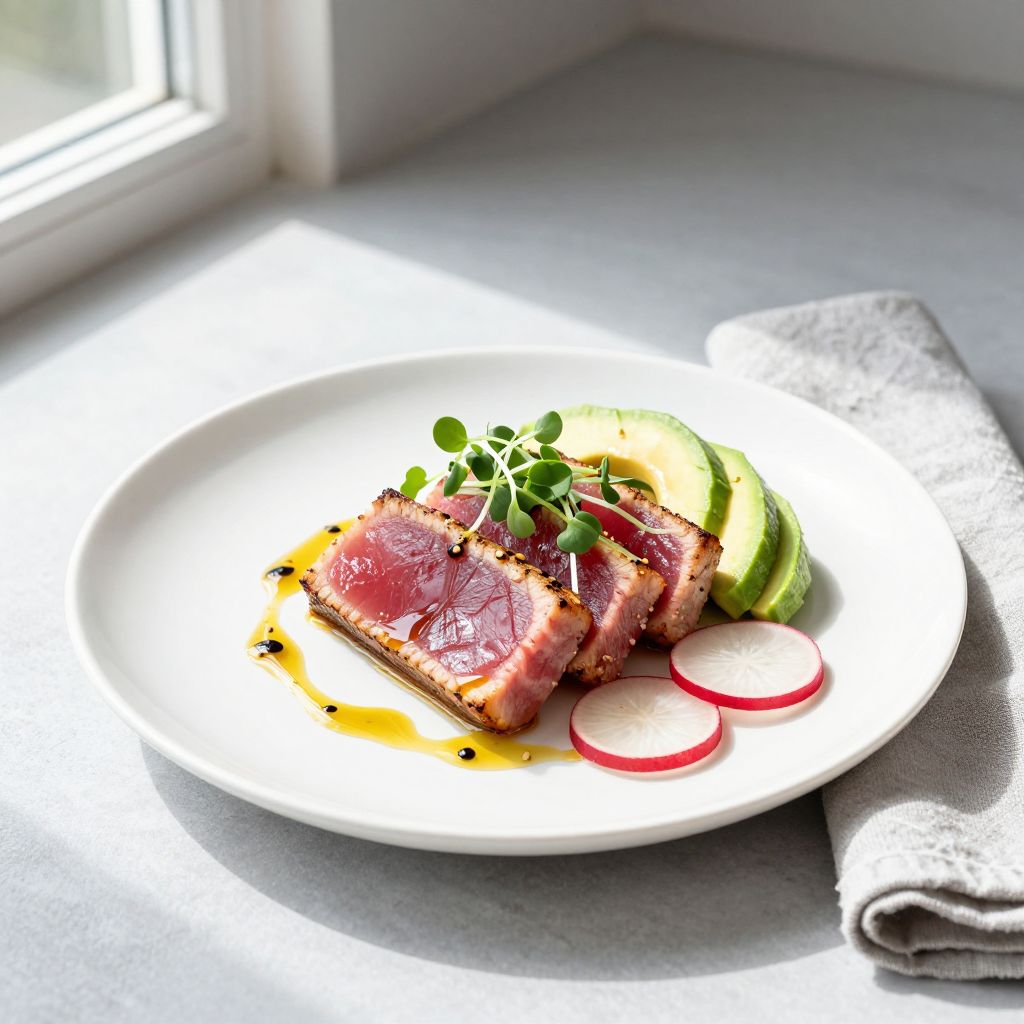
When it comes to seafood, ahi tuna is a standout option known for its rich flavor and versatility in various dishes. But is this flavorful fish also a healthy choice for your diet? In this article, we will explore the nutritional benefits of ahi tuna, its culinary uses, and important considerations to keep in mind when incorporating it into your meals.
Ahi tuna, also referred to as yellowfin tuna, is a popular fish often found in sushi and sashimi dishes. It’s celebrated for its high protein content and distinctive taste, making it a favored choice among seafood lovers. Understanding whether ahi tuna is good for your health can help you make informed choices as you plan your meals.
Is Ahi Tuna Good for You?
Ahi tuna is indeed a nutritious choice packed with beneficial nutrients, including high-quality protein, omega-3 fatty acids, and several essential vitamins and minerals. However, there are also considerations, such as mercury content, that should be taken into account. Overall, when consumed in moderation, ahi tuna can be a delicious and healthy addition to your diet.
Nutritional Profile of Ahi Tuna
Understanding the nutrition facts of ahi tuna is crucial in determining its health benefits. Below are the key nutrients found in a standard 3-ounce (85 grams) serving of raw ahi tuna:
- Calories: Approximately 110
- Protein: 24 grams
- Fat: 0.6 grams
- Saturated Fat: 0.2 grams
- Carbohydrates: 0 grams
- Cholesterol: 50 milligrams
- Omega-3 Fatty Acids: Around 0.9 grams
- Vitamins: A, B6, B12, D
- Minerals: Selenium, phosphorus, magnesium, potassium
Health Benefits of Ahi Tuna
Ahi tuna’s robust nutrient profile offers a variety of health benefits that make it a wonderful choice for many dietary preferences.
1. High in Protein
Ahi tuna is an excellent source of lean protein, essential for muscle repair and growth. Consuming sufficient protein can aid in weight management by promoting satiety and reducing overall calorie intake.
2. Rich in Omega-3 Fatty Acids
Omega-3 fatty acids are known for their heart-healthy benefits. These essential fats help reduce inflammation, lower blood pressure, and may decrease the risk of heart disease. Regularly including ahi tuna in your meals can contribute to achieving the recommended intake of omega-3s.
3. Source of Essential Vitamins and Minerals
Ahi tuna is rich in several vitamins and minerals, particularly B vitamins, which play crucial roles in metabolism and energy production. It also contains vitamin A, which supports vision and immune functions, and vitamin D, important for bone health.
4. Low in Calories
For those looking to maintain or lose weight, ahi tuna is low in calories and fat while being high in protein. This combination makes it an ideal choice for a satisfying and nutritious meal without excessive calorie consumption.
Considerations When Eating Ahi Tuna
While ahi tuna offers numerous health benefits, it’s important to consider some potential concerns associated with its consumption.
1. Mercury Content
Tuna, especially larger varieties like ahi, can contain higher levels of mercury, which can be harmful in excessive amounts. Pregnant women, nursing mothers, and young children are particularly vulnerable to mercury exposure. It’s wise to consume ahi tuna in moderation and consult guidelines from health organizations regarding safe fish consumption.
2. Sustainability Issues
Sustainability is an important consideration in seafood consumption. Overfishing of tuna can lead to depletion of fish populations. When purchasing ahi tuna, look for labels indicating sustainable fishing practices or choose seafood certified by organizations such as the Marine Stewardship Council (MSC).
3. Cooking Methods
The culinary preparation of ahi tuna can impact its health benefits. Cooking methods that maintain the nutrient density of the fish—such as grilling, searing, or broiling—are preferable. Avoid frying or heavy sauces that can add unnecessary calories and fats.
How to Prepare Ahi Tuna
There are many delicious ways to incorporate ahi tuna into your meals. Below are some popular cooking methods along with tips for preparation:
1. Searing
Searing is a common technique used to prepare ahi tuna. This method helps retain the flavor and texture of the fish while providing a delicious crust on the outside.
- Preparation: Heat a skillet over high heat until hot. Pat the fish dry and season with salt and pepper. Add a small amount of oil and sear the tuna for about 1-2 minutes on each side, depending on your desired doneness.
2. Grilling
Grilling adds a smoky flavor to ahi tuna and is a great way to enjoy it outdoors.
- Preparation: Preheat the grill to medium-high heat. Brush the fish with oil and season. Grill for about 2-3 minutes on each side for medium-rare.
3. Sushi and Sashimi
Ahi tuna works beautifully in sushi and sashimi dishes.
- Preparation: Ensure you’re using sushi-grade tuna. Slice the fish into thin pieces and serve raw with soy sauce and wasabi.
Delicious Ahi Tuna Recipes to Try
Incorporating ahi tuna into your meal rotation can be both enjoyable and beneficial for your health. Here are two recipes to inspire your next meal:
Recipe 1: Seared Ahi Tuna Salad
This refreshing salad balances the richness of seared tuna with crunchy vegetables and a tangy dressing.
- Yield: 2 servings
- Preparation Time: 10 minutes
- Cooking Time: 5 minutes
- Total Time: 15 minutes
- 8 ounces sushi-grade ahi tuna
- 4 cups mixed greens (e.g., arugula, spinach, romaine)
- 1 cucumber, sliced
- 1 avocado, sliced
- 1 tablespoon sesame oil
- 1 tablespoon soy sauce
- 1 tablespoon rice vinegar
- Salt and pepper to taste
- Sesame seeds for garnish (optional)
- Heat a skillet over high heat. Pat the tuna dry, season with salt and pepper, and sear for about 1-2 minutes on each side for medium-rare.
- Meanwhile, in a bowl, combine mixed greens, cucumber, and avocado.
- In a small bowl, mix sesame oil, soy sauce, and rice vinegar to create a dressing.
- Slice the seared tuna and layer it on top of the salad. Drizzle with dressing and sprinkle with sesame seeds, if desired.
Recipe 2: Ahi Tuna Poke Bowl
This poke bowl is a fun and customizable way to enjoy ahi tuna, featuring fresh ingredients and delicious flavors.
- Yield: 2 servings
- Preparation Time: 15 minutes
- Cooking Time: 0 minutes (using raw fish)
- Total Time: 15 minutes
- 8 ounces sushi-grade ahi tuna, diced
- 2 cups cooked brown rice or sushi rice
- 1/4 cup soy sauce
- 1 tablespoon sesame oil
- 1 teaspoon sriracha (optional)
- 1 avocado, sliced
- 1/2 cup edamame, shelled
- 1/2 cup shredded carrots
- Green onions and seaweed for garnish (optional)
- In a bowl, combine diced ahi tuna with soy sauce, sesame oil, and sriracha (if using). Let marinate for about 10 minutes.
- Divide cooked rice into two bowls. Top each bowl with marinated tuna, avocado, edamame, and shredded carrots.
- Garnish with green onions and seaweed, if desired.
Storage and Safety Tips
When storing ahi tuna, proper handling is crucial to ensure safety and freshness:
- Keep raw ahi tuna refrigerated at 32°F (0°C) or lower and consume within 1-2 days.
- If you have leftovers from a cooked dish, store them in an airtight container in the refrigerator and consume within 2-3 days.
- Freezing is an option for long-term storage. Wrap the fish tightly in plastic wrap, then place it in a freezer bag. Use within 2-3 months for best quality.
Conclusion
Ahi tuna can be a nutritious and delicious addition to your diet, packed with protein, omega-3 fatty acids, and essential vitamins. By being mindful of mercury levels and choosing sustainable options, you can enjoy the culinary delights of this seafood while reaping its health benefits. Pair it with fresh vegetables, grains, and seasonings to create balanced meals kissed by the ocean’s flavors.
For more delicious ideas, explore our ahi tuna recipe or try this seared ahi tuna recipe. Discover the variety of ways you can incorporate this tasty fish into your meals!