
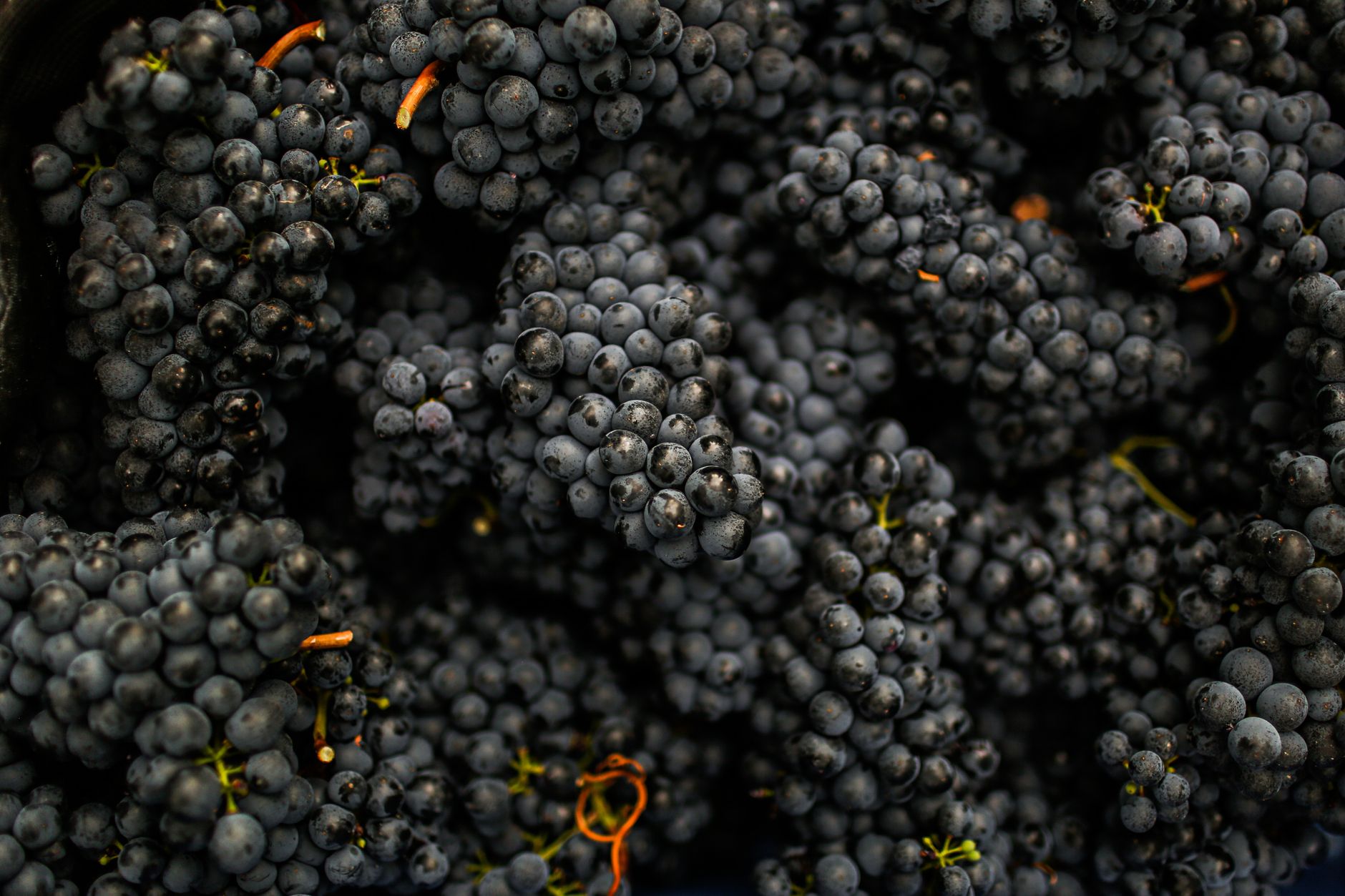
Grapes are a popular snack enjoyed worldwide, but despite their ubiquity, many people wonder whether they are classified as fruit or vegetable. Understanding the botanical classification of grapes not only enriches our knowledge but also enhances our culinary experience with this versatile ingredient.
This article unpacks the fascinating classification of grapes, discusses their culinary uses, and offers creative ways to incorporate them into meals and snacks. With a focus on practicality, we will explore the broader implications of this classification in cooking and meal planning.
Is a Grape a Fruit or a Vegetable?
Grapes are classified as fruits since they develop from the ovary of a flowering plant and contain seeds. Specifically, they are berry-type fruits because they are fleshy and thin-skinned, making them quite distinct from vegetables, which are edible parts of plants such as stems, roots, or leaves.
Botanically speaking, fruits serve the purpose of spreading seeds, and grapes are no exception. Their sweet flavor and juicy texture make them appealing to animals who consume them and help in seed dispersion. In contrast, vegetables come from other parts of the plant, which contributes to their differing culinary applications.
Botanical Classification of Grapes
Grapes belong to the genus Vitis, which includes various species grown globally. There are two primary categories of grapes:
- Table grapes: Typically enjoyed raw, they are larger and sweeter. Varieties include Thompson Seedless, Concord, and Red Globe.
- Wine grapes: Typically smaller and richer in flavor, they have higher sugar levels and are used to produce wine. Common types include Cabernet Sauvignon, Merlot, and Chardonnay.
Both types of grapes serve unique roles in the culinary world, underscoring their flexibility as an ingredient.
Culinary Uses of Grapes
Grapes can be utilized in a variety of culinary applications due to their natural sweetness, tartness, and vibrant flavor. Here are some ways to incorporate grapes into your meals:
1. Fresh Snacking
Fresh grapes make an excellent snack on their own. Served chilled, they can be consumed as-is or combined with cheese for a delightful appetizer. Pairing grapes with whole-grain crackers or yogurt can balance out their sweetness with texture and creaminess.
2. Salads
Grapes add a burst of sweetness to salads. They can be sliced and mixed into green salads, added to fruit salads, or used in grain salads to provide a juicy contrast to earthy flavors. Here’s a simple recipe for a grape salad:
Simple Grape and Walnut Salad
This refreshing salad is perfect as a side dish and can easily be adapted to include different proteins or greens.
- 10 oz. fresh grapes, halved
- 1/2 cup walnuts, chopped
- 4 cups mixed salad greens
- 1/4 cup feta cheese, crumbled (optional)
- 2 tbsp balsamic vinaigrette
Combine all ingredients in a large bowl and toss with the dressing before serving. This dish serves well at picnics or potlucks.
3. Desserts
Grapes can also play a significant role in desserts. They can be used to make grape jellies, sorbets, or even used in cakes as a natural sweetener. Here’s how to prepare candied grapes:
Candied Grapes Recipe
Candied grapes make for a delicious and visually appealing dessert or party treat.
Ingredients:
- 2 cups seedless grapes
- 1 cup granulated sugar
- 1/2 cup water
- 1 tsp vanilla extract (optional)
Equipment:
- Saucepan
- Wet and dry cooling rack
Instructions:
- Rinse and dry the grapes thoroughly.
- In a saucepan, combine water and sugar, stirring until dissolved over medium heat.
- Once boiling, add grapes to the syrup, then reduce the heat and allow it to simmer for 5-10 minutes.
- Remove from heat, add vanilla extract (if using), and let cool slightly.
- Using a fork, dip each grape into the syrup and then place on a cooling rack to set.
4. Smoothies and Juices
Fresh grapes can be blended into smoothies, providing natural sweetness without added sugar. They also work well in juices, offering a refreshing drink perfect for warm days. Combine them with spinach or kale for an added nutritional boost. Here’s a quick smoothie recipe:
Grape Spinach Smoothie
- 1 cup grapes
- 1 banana
- 1 cup spinach
- 1 cup almond milk (or milk of choice)
Place all ingredients in a blender and blend until smooth. Serve immediately for a nutrient-packed snack or breakfast option.
5. Cooking and Baking
In addition to fresh preparations, grapes can also be roasted or baked. Roasting grapes enhances their natural sugars and creates a lovely caramelized flavor. They can be served as a side dish or added to savory dishes such as roasted chicken or pork. To roast grapes:
- Preheat the oven to 400°F (200°C).
- Spread washed and dried grapes in a single layer on a baking sheet.
- Drizzle with olive oil, sprinkle with salt and pepper, and toss to coat.
- Roast in the oven for 15-20 minutes, until they burst and caramelize slightly.
These roasted grapes make a fantastic addition to cheeses or can be tossed with roasted vegetables.
Storage and Preservation of Grapes
Proper storage is essential to maintain the quality and longevity of grapes. Here are some tips:
- Store grapes in the refrigerator in a vented plastic bag to keep them fresh and crisp for up to one week.
- Do not wash grapes until you are ready to eat them, as moisture can lead to mold development.
- For long-term preservation, grapes can be frozen. Simply wash, dry, and place on a baking sheet in a single layer until frozen. Transfer to an airtight container and store in the freezer for up to six months.
Frozen grapes can be enjoyed as a refreshing snack or used to chill beverages without dilution.
Common Grapes Varieties and Their Unique Characteristics
Understanding the different grape varieties can also enhance your culinary endeavors. Here are a few notable ones:
1. Concord Grapes
Known for their robust flavor, Concord grapes are commonly used in jellies, jams, and juices. Their deep purple skin and distinct aroma make them popular in desserts.
2. Thompson Seedless Grapes
This variety is favored for snacking due to its sweet flavor and lack of seeds. They are often dried to produce raisins.
3. Red Flame Grapes
These grapes are sweet and juicy, often utilized in fruit salads and as a table fruit. Their bright red color adds a vibrant touch.
4. Cabernet Sauvignon Grapes
This red wine grape variety is famous for its bold flavor and is often used in premium wine productions. Its rich taste also allows it to complement various savory dishes.
Grapes and Dietary Considerations
Grapes are a nutritious addition to any diet, as they are low in calories and high in essential vitamins and minerals, including vitamins C and K. However, individuals with certain dietary considerations should be mindful:
- People with diabetes should consider their sugar intake from fruits like grapes.
- Allergic reactions to grapes are rare but can occur; those with known allergies should proceed with caution.
Sweet and Savory Pairings with Grapes
Grapes can also be paired with various flavors to enhance their enjoyment:
- Cheeses: Creamy cheeses like goat cheese or tangy blue cheese complement the sweetness of grapes beautifully.
- Nuts: Almonds or walnuts add a crunchy texture to the sweetness of the grapes.
- Herbs: Fresh herbs, such as mint or basil, can elevate the flavor profile when paired with grapes.
Common Mistakes When Using Grapes
While grapes are relatively easy to work with, here are some common mistakes to avoid:
- Do not mistreat grapes by washing them too soon, which can lead to spoilage.
- Avoid using overripe grapes in dishes, as they may alter the intended flavor or texture.
Conclusion
Grapes, classified as fruit rather than vegetables, serve a multitude of culinary purposes. Their versatility in sweet and savory dishes, coupled with their ease of storage and notable health benefits, make them a beloved ingredient across the globe.
Whether enjoying fresh grapes as a quick snack, incorporating them into a salad, or using them for baking, they offer an enriching flavor experience that is hard to replicate. Discover how sweet candied grapes or savory roasted grapes can elevate your menu.
To learn more, explore how to create candied grapes or enjoy the bold flavors of stuffed grape leaves.