
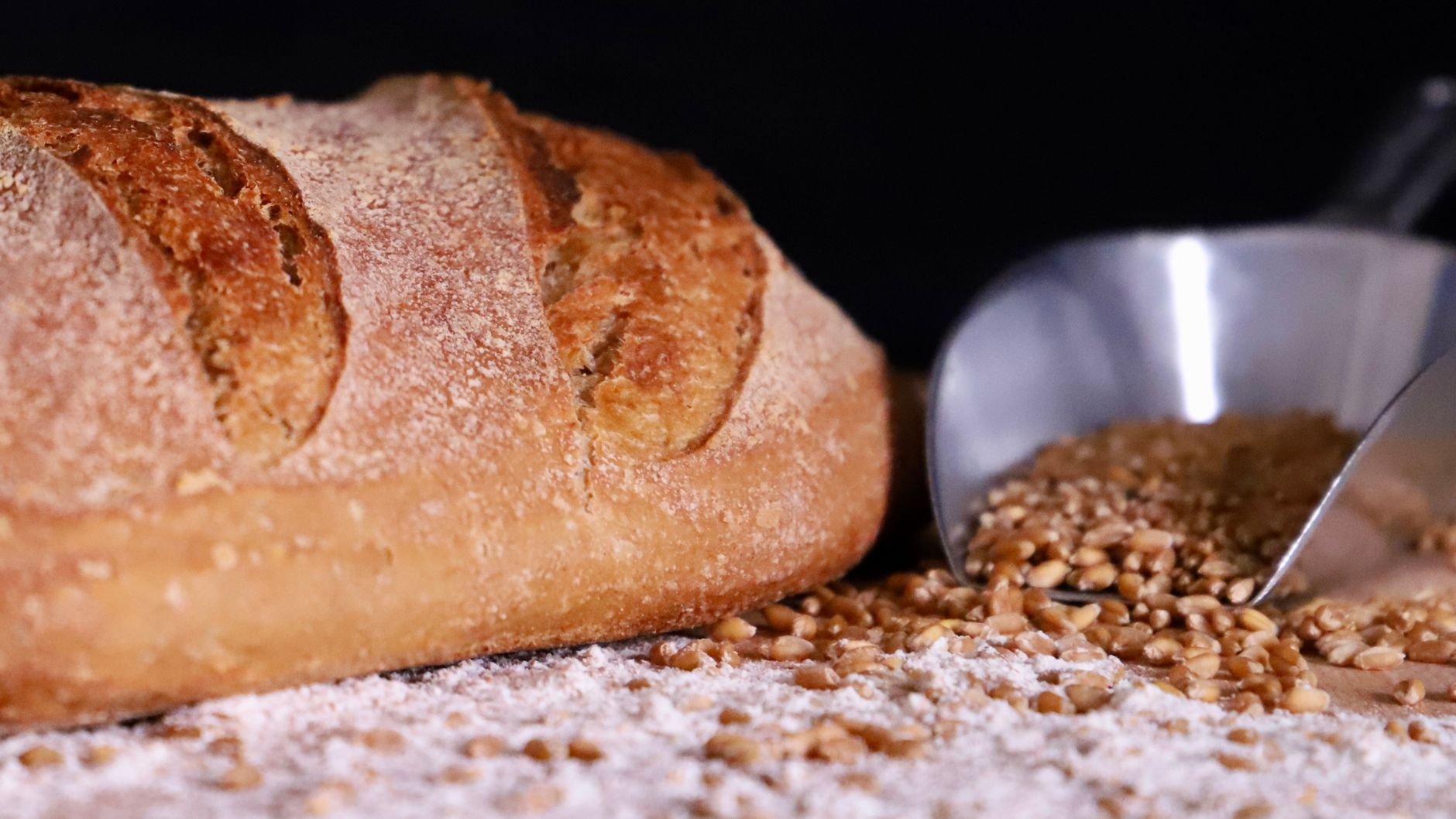
Understanding the internal temperature of sourdough bread when it is done baking is crucial for achieving the perfect loaf. Sourdough, known for its unique flavor and texture derived from fermentation, requires specific baking techniques. If you’re new to baking sourdough, or if you’ve been making it for years, accurately gauging its doneness can elevate your bread-making game.
This guide will explore the ideal internal temperature for sourdough bread, the baking process, tips for mastering the art of sourdough, and troubleshooting common issues. You’ll soon be able to bake sourdough bread that impresses everyone.
What Is the Internal Temp of Sourdough Bread When Done?
The ideal internal temperature for sourdough bread when done is around 190°F to 205°F (88°C to 96°C). At this temperature range, the bread is fully baked, ensuring a crusty exterior and a soft, desirable crumb. Using an instant-read thermometer is essential for the most accurate results.
Measuring the internal temperature is especially important with sourdough because the bread can appear done externally while still being undercooked inside, leading to a gummy texture. Let’s delve into the specifics of the baking process for sourdough bread and when to use a thermometer.
The Baking Process
Baking sourdough bread comprises several steps that contribute to developing its characteristic flavor and texture. Understanding this process will also optimize your final temperature and baking result.
Ingredients Overview
To start baking sourdough bread, familiarize yourself with the basic ingredients and their roles in the recipe. The essential components typically include:
- Flour: Bread flour is commonly used for its higher protein content, which supports gluten development.
- Water: Hydration levels can vary between recipes; the right balance is essential for creating the desired texture.
- Sourdough starter: This is a natural leavening agent made from flour and water that ferments over time, adding flavor and aiding the rise of the bread.
- Salt: Enhances flavor and controls yeast fermentation rates.
Baking Steps
- Mixing: Combine the flour, water, and active sourdough starter. Allow it to sit for 30 minutes to 1 hour—a process called autolyse. This helps with gluten development and hydration.
- Kneading: Incorporate salt and knead the dough until it’s elastic and smooth. This typically takes about 10-15 minutes.
- Bulk Fermentation: Let the dough rise at room temperature for several hours. During this time, perform stretch-and-folds every 30 minutes to develop the gluten structure.
- Shaping: After bulk fermentation, shape your dough into a round or oval loaf and allow it to rest for 20-30 minutes.
- Final Proofing: Place the shaped dough in a proofing basket or bowl and cover it with a damp cloth or plastic wrap. This phase can take anywhere from 1 to 4 hours at room temperature or can be placed in the refrigerator overnight for a cold fermentation.
- Baking: Preheat your oven (often with a Dutch oven for optimal steaming) and bake the loaf, monitoring the internal temperature as it approaches doneness.
Checking Internal Temperature
Once you think your sourdough loaf is ready, it’s time to check its internal temperature. Here’s how to properly measure it:
- Use an instant-read thermometer. Insert the probe into the center of the loaf, avoiding contact with the pan.
- Look for a temperature between 190°F and 205°F (88°C to 96°C). If your loaf has not reached this temperature, continue baking, checking every 5 minutes.
- Understand the difference in texture: The thicker the crust, the higher the internal temperature may need to be before the loaf is considered done.
Common Baking Mistakes and Troubleshooting
Even seasoned bakers may encounter challenges when baking sourdough. Here are some common mistakes and troubleshooting tips:
Underproofed Dough
One of the primary reasons for undercooked bread is insufficient proofing. If your bread is not rising or the internal temperature is low:
- Be patient—allow more time for the dough to rise.
- Check the dough’s elasticity. It should feel puffy and airy.
- You can try a longer bulk fermentation period or a warmer proofing environment.
Overproofed Dough
On the flip side, if underproofed dough is an issue, an overproofed loaf can collapse:
- If the dough is too relaxed and doesn’t hold its shape, consider reducing proofing times in future batches.
- Ensure your dough is shaped correctly; a good structure is critical to preventing deflation.
A Gummy Crumb
A gummy or doughy texture inside your sourdough is often a result of not baking long enough:
- Make sure to rely on temperature rather than solely visual cues.
- If your crust appears dark but the internal temperature isn’t reached, lower the oven temperature and cook longer to ensure the inside cooks through.
Storage and Reheating
Once your sourdough bread is baked and cooled, proper storage will help maintain its freshness:
- Cool the bread completely on a wire rack before wrapping it in a clean kitchen towel or placing it in a paper bag for short-term storage (1-3 days).
- For longer storage, slice the bread and freeze individual portions in a plastic bag. Sourdough bread can last for several weeks in the freezer.
- To reheat, place slices in a preheated oven at 350°F (175°C) for 10-15 minutes, or toast them for a quick crisp finish.
Tips for Perfect Sourdough Bread
Achieving the perfect sourdough loaf takes practice and attention to detail. Here are some tips to help you along the way:
- Keep a Baking Journal: Document your recipes, baking times, temperatures, and results to identify patterns that work for you.
- Understand Your Environment: Temperature, humidity, and altitude can affect how your sourdough ferments and bakes. Adjust proofing times accordingly.
- Invest in Quality Ingredients: Choose high-quality flour and a healthy starter for the best results.
- Practice Patience: Sourdough baking is a process that rewards those who are patient. Take your time with each step.
Conclusion
Mastering the internal temperature of sourdough bread will not only enhance your baking results but also deepen your understanding of this beloved artisanal bread. Remember, the target temperature for perfectly baked sourdough should be between 190°F to 205°F (88°C to 96°C). Regularly checking this temperature ensures you achieve the cloud-like texture and crispy crust that makes sourdough so special.
If you’re looking to broaden your sourdough skills further, consider trying our King Arthur Sourdough Recipe or experiment with a delightful Sourdough Baguette Recipe. Happy baking!