
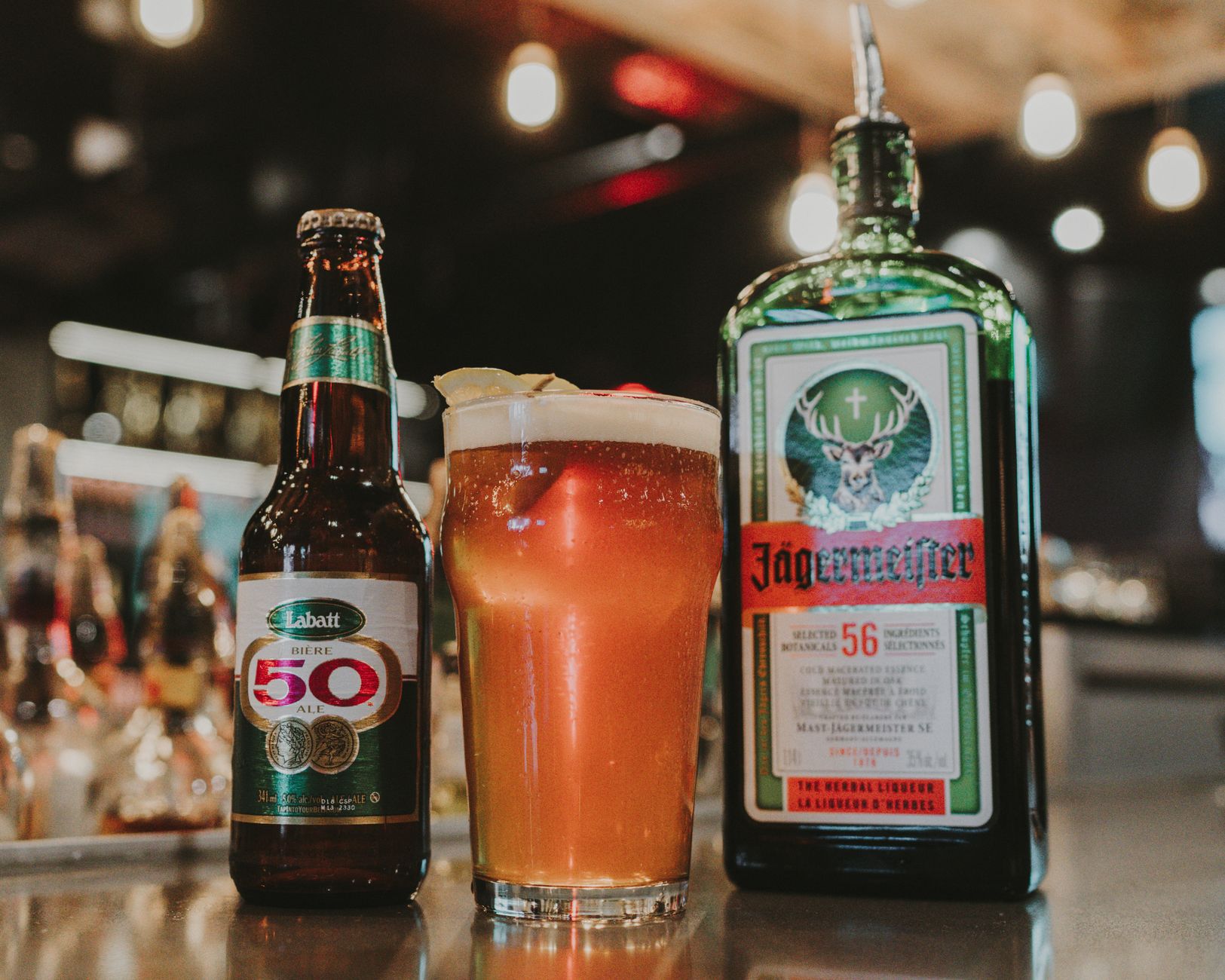
Red beer is a unique and visually stunning beverage that showcases a variety of flavors, ranging from malty sweetness to hoppy bitterness, depending on the specific type of red beer. This article delves into the ingredients, flavors, types, and recommendations on how to serve red beer, whether it’s enjoyed in a casual setting or paired with a meal.
With a growing popularity among craft brewers and beer enthusiasts alike, red beer not only offers remarkable aesthetics but also a wide spectrum of taste profiles. This guide aims to educate readers on the essentials of red beer and how to appreciate its delightful nuances.
What Is a Red Beer?
Red beer is a style of beer characterized by its reddish-brown hue, which is achieved through the use of darker malts. This category generally includes styles such as Red Ales, Amber Ales, Irish Reds, and even some variations of lagers. Each type brings its own flavor profile and brewing traditions, making red beer a favorite among many beer drinkers.
Ingredients of Red Beer
To truly understand red beer, it’s essential to examine its core ingredients, each contributing to its unique flavors, aromas, and colors. The primary ingredients are as follows:
- Malts: The backbone of red beer; typically, caramel malts, crystal malts, and roasted malts are used. These malts contribute to sweetness, body, and the reddish hue.
- Hops: While the malt takes center stage, hops add bitterness and aroma. Common varieties include Cascade, Centennial, Saaz, and Fuggle.
- Yeast: Yeast is responsible for fermentation, converting sugars into alcohol and carbon dioxide. Ales usually use top-fermenting yeast strains, imparting fruity and estery characteristics.
- Water: The quality of water used can significantly affect the final product. Depending on the mineral content, water can enhance malt or hop characteristics.
Flavor Profiles of Red Beer
Red beer’s flavor profiles can vary widely depending on its type and brewing methods. Here are some common flavor characteristics:
- Malty Sweetness: Many red beers are known for their caramel and toasty notes, providing a rich malt backbone.
- Hoppy Bitterness: While malt flavors dominate, a punchy hop bitterness can balance sweetness, particularly in styles like Amber Ales.
- Fruity and Nutty Notes: Yeast profiles and the use of specific malts can introduce fruity esters and nutty undertones, adding complexity.
- Roasty Flavors: If darker malts are included, you may detect hints of chocolate or coffee.
Types of Red Beer
Red beer encompasses several distinct styles, each offering its own flair. Here are some popular types to consider:
Irish Red Ale
Irish Red Ale is characterized by its mild, malty sweetness with a soft bitterness. It often features biscuity malt tones and a slight hop aroma, making it an approachable choice for many beer drinkers.
American Amber Ale
This style exhibits a robust malt character balanced by a noticeable hop presence. Expect flavors of caramel and toffee alongside citrus or piney hop notes. Amber Ales tend to be more assertive than Irish Red Ales.
Reddish Brown Lager
Combining the clean, crisp profile of a lager with the maltiness of a dark beer, these lagers are smooth with a subtle sweetness and balanced flavors. They tend to have a more subdued hop character compared to ales.
Red IPA
As the bold cousin of the Red Ale, the Red IPA showcases a pronounced hop flavor, bringing herbal, citrus, or floral notes while maintaining a sweet malt profile. The bitterness pairs beautifully with its fruity characteristics.
Flanders Red Ale
This Belgian style is renowned for its sour and fruity notes. Aged in wooden barrels, it develops complex flavors that can include sour cherries, oak, and vinegar-like profiles, making it a fascinating choice for adventurous drinkers.
How to Serve Red Beer
Serving red beer correctly plays a crucial role in maximizing its flavors and aromas. Here are some key tips for serving red beer:
Glassware
Selecting the right glassware is essential to enhance the beer’s aroma and carbonation. Appropriate choices include:
- Shaker Pints: A common option for casual settings, though it may not emphasize aromas as well as specialized glasses.
- Belgian Glasses: Designed to enhance the beer’s aromas, these glasses work well for more complex styles like Flanders Red Ale.
- Snifters: Best for stronger or aromatic varieties (like a Red IPA) where the user may savor nuanced subtleties.
Temperature
The serving temperature can significantly influence taste perception. Generally, red beers should be served in the range of 45°F to 55°F (7°C to 13°C). This temperature allows flavors to bloom without becoming overly cloying.
Food Pairings
Red beers offer versatility when it comes to food pairings. Here are some classic accompaniments:
- Grilled Meats: The roasted flavors of red beers complement charred meats beautifully.
- Spicy Dishes: The malty sweetness can temper the heat in spicy cuisines such as Thai or Indian food.
- Cheese: Pair red beers with nutty cheeses like Gruyère or tangy blue cheeses for a delightful balance.
- Chocolate Desserts: Dark chocolate combines wonderfully with many red beers’ roasty flavors.
Common Mistakes with Red Beer
While exploring red beers, there can be some missteps that detract from the experience. Here are common mistakes to avoid:
- Over-chilling: Serving overly cold beer can mask flavors and aromas. Aim for the appropriate temperature for optimal tasting.
- Using Incorrect Glassware: Using a generic glass can hinder the enjoyment of more nuanced styles. Match the beer type to the suitable glass.
- Pushing Too Hard on Fleeting Flavors: Some beers are meant to be enjoyed for their unique notes, but overly aggressive sipping can lead to palate fatigue.
Make-Ahead and Storage
Beer is generally best enjoyed fresh, but understanding how to store it correctly can help maintain its quality. Here are some tips:
- Keep it Cool: Store beer in a cool, dark place, ideally at a temperature between 45°F and 55°F (7°C and 13°C).
- Avoid Light Exposure: Light can skunk beer, particularly those in clear or green bottles. If feasible, choose brown bottles or cans.
- Don’t Age Most Red Beers: Most red ales, IPAs, and ambers are best consumed fresh, but Barrel-Aged or sour styles may evolve positively with age.
Conclusion
Red beers offer a rich tapestry of flavors, colors, and aromas that make them an intriguing choice for both casual drinkers and aficionados. Understanding the ingredients, varieties, and best serving practices enhances the overall drinking experience.
For those inspired to explore more in the realm of drinks, feel free to check out our recipes for beer can chicken or revisit classic cocktails, like the vodka cranberry.